八年级下册人教版英语课本重点难点是什么?
校园之窗 2025年12月14日 07:24:22 99ANYc3cd6
教材基本信息
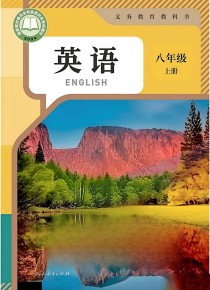
- 全称: 《义务教育教科书 英语 八年级下册》
- 出版社: 人民教育出版社 (People's Education Press)
- 版本: 人教版 / Go for it!
- 适用对象: 中国初中二年级(八年级)学生
教材整体结构与单元主题
八年级下册共包含 10个单元,每个单元围绕一个贴近学生生活的话题展开,旨在培养学生的综合语言运用能力,教材通常分为 A、B、C、D 四个部分,并包含 单元复习 和 附录。
各单元核心内容与知识点
以下是每个单元的主题和核心学习内容:

(图片来源网络,侵删)
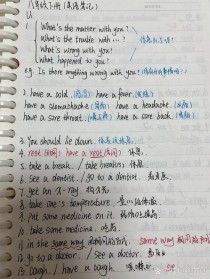
Unit 1 What's the matter?
- 主题: 健康 (Health) 与就医 (Seeing a doctor)
- 核心词汇:
- 身体部位:
head,eye,ear,nose,tooth,neck,throat,stomach,back,arm,finger,leg,foot - 疾病与症状:
have a fever,have a cold,have a cough,have a sore throat,have a stomachache,have a toothache,have a headache,hurt,sore - 建议与指令:
should,shouldn't,drink hot tea with honey,see a doctor,rest,lie down
- 身体部位:
- 核心句型:
What's the matter? / What's the trouble with you?(你怎么了?)I have a sore throat.(我喉咙痛。)You should drink some hot tea with honey.(你应该喝些加蜂蜜的热茶。)You shouldn't eat anything for two hours.(你 shouldn't 两小时内吃任何东西。)
- 语法重点:
should情态动词的用法 (表示建议)。
Unit 2 I'll help to clean up the city parks.
- 主题: 志愿活动与帮助他人 (Volunteering and Helping Others)
- 核心词汇:
- 动词短语 (动词+副词/介词):
clean up,give out,cheer up,come up with,put off,hand out,call up - 相关名词:
volunteer,sign,notice,community,lonely,clean-up,idea
- 动词短语 (动词+副词/介词):
- 核心句型:
I'd like to work outside.(我想在户外工作。)You could help clean up the city parks.(你可以帮助清理城市公园。)Let's make some notices.(我们来做些通知吧。)We're going to set up a food bank to help hungry people.(我们打算建立一个食物银行来帮助饥饿的人。)
- 语法重点:
want to do,like to do,would like to do的用法;动词短语辨析。
Unit 3 Could you please clean your room?
- 主题: 家庭责任与礼貌请求 (House Chores and Polite Requests)
- 核心词汇:
- 家务劳动:
do the dishes,sweep the floor,take out the trash,make the bed,fold the clothes,living room,bathroom - 礼貌用语:
could,could you please,will you please,I'm sorry to trouble you.
- 家务劳动:
- 核心句型:
Could you please take out the trash?(你能请倒一下垃圾吗?)I have to do my homework now.(我现在必须做作业了。)Could I invite my friends to a party?(我能邀请我的朋友来参加派对吗?)Yes, you can. / Sorry, you can't.(可以。/ 抱歉,不行。)
- 语法重点:
Could you please...?和Could I...?等礼貌请求与许可的句型;have to与must的区别。
Unit 4 Why don't you talk to your parents?
- 主题: 问题解决与人际沟通 (Problem-solving and Communication)
- 核心词汇:
- 情绪与问题:
instead of,argue,communicate,get on (well) with,relation,cloud,elderly - 建议方式:
why don't you...?,you should...,you could...,what about...?
- 情绪与问题:
- 核心句型:
What's wrong?/What's the matter?(怎么了?)I'm really upset because...(我真的很 upset 因为...)Why don't you talk to him about it?(你为什么不和他谈谈这件事呢?)You should talk to someone so that you can feel better.(你应该和某人谈谈,这样你会感觉好一些。)
- 语法重点:
so that引导目的状语从句;until引导时间状语从句。
Unit 5 What were you doing when the rainstorm came?
- 主题: 过去进行时 (Past Continuous Tense)
- 核心词汇:
- 天气:
rainstorm,sunny,cloudy,windy,heavy rain - 动词:
sleep,read,cook,study,shop,wait for,eat dinner
- 天气:
- 核心句型:
What were you doing at 8 o'clock last night?(昨晚8点你正在做什么?)I was reading a book.(我正在看书。)When the rainstorm came, I was doing my homework.(当暴风雨来临时,我正在做作业。)
- 语法重点: 过去进行时 (
was/were + doing) 的构成和用法;与一般过去时的对比 (When... came, I was doing...)。
Unit 6 An old man tried to move the mountains.
- 主题: 中国传统故事与神话 (Chinese Traditional Stories and Fables)
- 核心词汇:
- 故事元素:
once upon a time,shoot,stone,weak,god,remind,bit,stick,excited,turn into - 神话人物:
Jingwei,Yu Gong,Nezha
- 故事元素:
- 核心句型:
What do you think about the story of Yu Gong?(你觉得愚公移山的故事怎么样?)It's a traditional story.(这是一个传统故事。)The story reminds us that anything is possible if you work hard.(这个故事提醒我们,只要你努力,一切皆有可能。)
- 语法重点: 连词 (
unless,as soon as,so... that...) 引导的状语从句。
Unit 7 What's the highest mountain in the world?
- 主题: 地理与自然世界 (Geography and the Natural World)
- 核心词汇:
- 地理名词:
Qomolangma,Himalayas,Sahara,Nile,Amazon,salt lake - 形容词 (比较级和最高级):
high,high(er),high(est),big,big(ger),big(gest),long,long(er),long(est),deep,deep(er),deep(est)
- 地理名词:
- 核心句型:
What's the highest mountain in the world?(世界上最高的山是什么?)Qomolangma is 8,844.43 meters high.(珠穆朗玛峰高8844.43米。)It's higher than any other mountain.(它比任何其他山都高。)
- 语法重点: 形容词和副词的比较级和最高级 的规则与不规则变化。
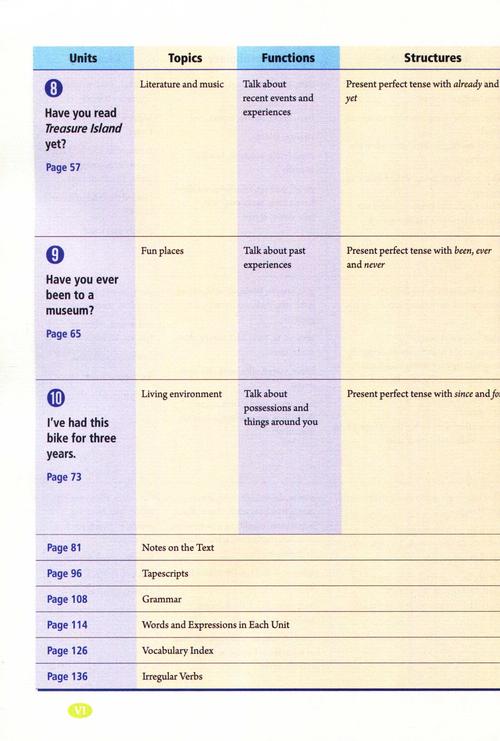
Unit 8 Have you read Treasure Island yet?
- 主题: 文学作品与经历 (Literature and Experiences)
- 核心词汇:
- 文学相关:
treasure,island,classic,page,already,just,yet,ever,never - 动词:
finish,read,see,buy,write,join
- 文学相关:
- 核心句型:
Have you read Little Women yet?(你已经读过《小妇人》了吗?)Yes, I have. / No, I haven't.(是的,我已经读过了。/ 不,我还没读过。)I've just finished reading it.(我刚刚读完它。)
- 语法重点: 现在完成时 (
have/has + done) 的构成和用法,特别是与already,yet,just,ever,never等词的搭配。
Unit 9 Have you ever been to a museum?
- 主题: 旅游与经历 (Travel and Experiences)
- 核心词汇:
- 地点:
museum,water park,amusement park,art museum,space museum,zoo,cinema,travel,flight - 表达经历:
have (has) been to,have (has) gone to
- 地点:
- 核心句型:
Have you ever been to a science museum?(你曾经去过科学博物馆吗?)Yes, I have. / No, I haven't.(是的,去过。/ 不,没去过。)I've been to the space museum three times.(我去过太空博物馆三次。)
- 语法重点: 现在完成时 与
ever,never,before连用,表示过去的经历;区分have been to(去过某地,已回来) 和have gone to(去了某地,还未回来)。
Unit 10 I'm watching TV.
- 主题: 正在发生的动作与日常生活 (Actions in Progress and Daily Life)
- 核心词汇:
- 动词短语:
watch TV,read a newspaper,make soup,talk on the phone,listen to a CD,use the computer,wash the dishes,clean - 疑问词:
What,Where,Who,How
- 动词短语:
- 核心句型:
What are you doing?(你正在做什么?)I'm watching TV.(我正在看电视。)Is he doing his homework?(他正在做作业吗?)Yes, he is. / No, he isn't.(是的,他在。/ 不,他不在。)
- 语法重点: 现在进行时 (
am/is/are + doing) 的构成和用法,表示说话时正在进行的动作。
学习建议
- 词汇为王: 每个单元的词汇是基础,务必做到“四会”:会读、会拼、会写、会用,可以利用词根词缀、联想记忆等方法来记忆。
- 语法扎实: 八年级下册的语法点(如
should, 过去进行时, 比较级最高级, 现在完成时)是整个初中阶段的重点和难点,要理解每个语法的概念、构成和用法,并通过大量练习来巩固。 - 听力输入: 坚持听课本配套的录音,模仿语音语调,可以尝试听一些简单的英文动画片或歌曲,培养语感。
- 口语输出: 不要害怕说错,可以和同学用课本里的句型进行对话练习,或者自言自语描述自己正在做的事情,这是提升口语最快的方法。
- 阅读理解: 课本中的文章是最好的阅读材料,要精读,理解每句话的意思,并尝试复述故事大意,可以适当增加一些课外简易读物。
- 写作练习: 从模仿课本中的句子和范文开始,尝试用本单元的词汇和语法写一些小短文,如日记、邮件等,学以致用。
希望这份详细的总结对您有帮助!学习是一个循序渐进的过程,保持耐心和兴趣最重要。
(图片来源网络,侵删)