如何写好与父母相处的英语作文?
作文示例 2025年12月12日 09:08:28 99ANYc3cd6
初中水平 (Junior High Level)
这篇作文结构简单,语言直接,适合初中生。 How to Get Along with Our Parents**
Family is very important in our life. Our parents love us very much, but sometimes we may have arguments with them. How can we get along well with our parents?
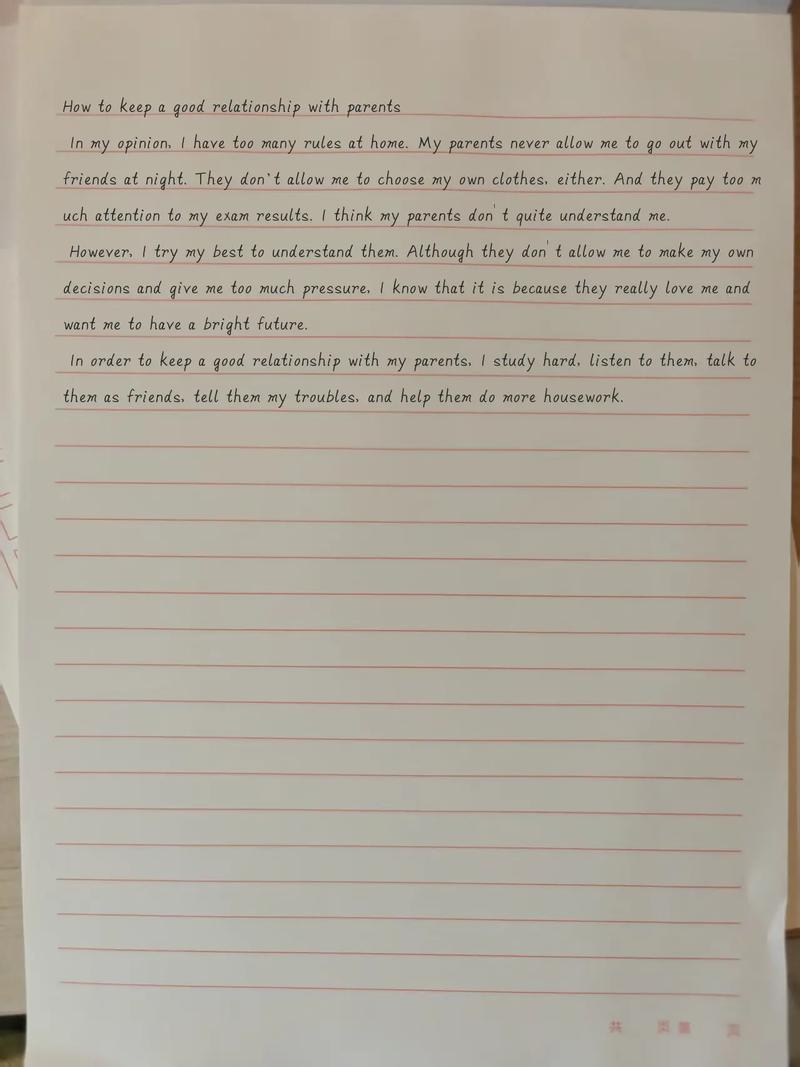
First, we should communicate with them often. Tell them about our school life, our friends, and our hobbies. When we share our feelings, they will understand us better. Second, we should be considerate. Our parents work hard every day. We can help them with some housework, like cleaning the room or washing the dishes. This small action can make them very happy.
Finally, when we have different opinions, we should stay calm and talk peacefully. Don't shout at them. Remember, they always want the best for us.
In conclusion, getting along with our parents needs love, understanding, and patience. Let's try our best to be good children and have a happy family.
高中水平 (High School Level)
这篇作文结构更完整,用词更丰富,适合高中生。 Building a Bridge of Understanding with Our Parents**
The relationship between parents and children is one of the most fundamental bonds in life. As we grow older, we often find ourselves in disagreements with our parents. However, building a harmonious relationship is not only possible but essential for our well-being. Here are some ways to foster a better connection with them.
First and foremost, open and honest communication is the cornerstone of a good relationship. Instead of keeping our feelings bottled up, we should express our thoughts and concerns respectfully. For example, if we feel stressed by studies, we can talk to them about it. This helps them see the world from our perspective and reduces misunderstandings.
Second, empathy and appreciation play a crucial role. We should try to understand the pressures and challenges our parents face in their daily lives. A simple "thank you" for their hard work, or offering to help with chores, can show that we value their efforts. These small acts of kindness strengthen the emotional bond between us.
Finally, learning to compromise is key to resolving conflicts. We won't always agree on everything, from curfews to career choices. Instead of insisting on our own way, we should listen to their concerns and find a middle ground that both sides can accept. This shows maturity and respect.
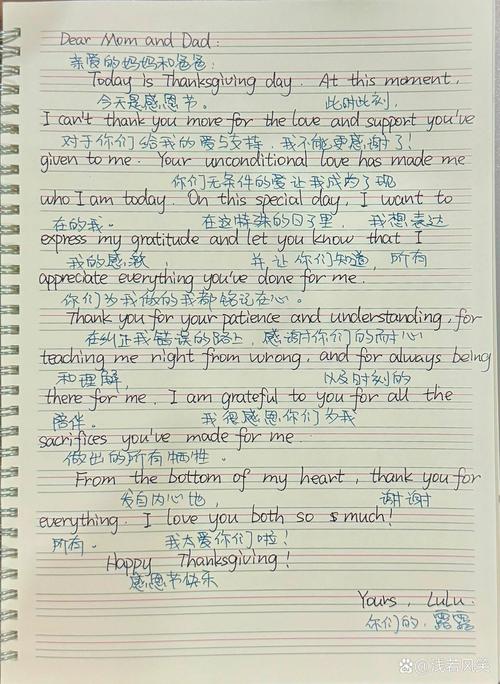
In conclusion, a positive relationship with our parents is built on a foundation of communication, empathy, and compromise. It requires effort from both sides, but the reward—a loving and supportive family—is priceless. Let's strive to be the bridge that connects us closer to our parents.
大学水平 (University Level)
这篇作文立意更深,语言更正式,适合大学生或用于更高级别的考试。 Navigating the Evolving Dynamics of the Parent-Child Relationship**
The parent-child relationship is a complex and dynamic journey that evolves significantly over time. What begins as a relationship of dependence gradually transforms into one of mutual respect and interdependence as we mature into adulthood. Successfully navigating this evolution requires conscious effort, emotional intelligence, and a willingness to adapt.
At the core of this evolution lies the shift from unquestioning obedience to mutual understanding. During our formative years, our parents are our primary guides. However, as we enter university and gain life experiences, we develop our own identities and value systems. This can naturally lead to friction. The key is not to win arguments, but to engage in constructive dialogue. This involves active listening—truly hearing their concerns, even if we don't fully agree—and articulating our own viewpoints with clarity and respect, rather than defiance.
Furthermore, fostering reciprocity is vital for a mature relationship. The dynamic should no longer be one-way, where parents give and children receive. As we become more independent, we can offer our support in tangible ways, whether it's through financial contributions, helping them navigate technology, or simply being a source of emotional comfort during their own challenges. This exchange of roles deepens the bond and establishes a partnership of equals.
Finally, it is crucial to practice patience and forgiveness. No relationship is without its flaws. Misunderstandings and hurt feelings are inevitable. What defines a strong bond is not the absence of conflict, but the ability to move past it. Apologizing sincerely when we are at fault and forgiving their imperfections are acts of emotional maturity that solidify the relationship for the long term.
In conclusion, the parent-child relationship in adulthood is a delicate tapestry woven with threads of communication, empathy, and reciprocity. It is an ongoing process that demands our active participation. By embracing this complexity with patience and love, we can cultivate a relationship that is not only enduring but also enriching for both generations.
核心词汇与短语
| 中文 | 英语 |
|---|---|
| 相处 | get along with / build a relationship with |
| 沟通 | communicate / communication / open dialogue |
| 理解 | understand / understanding |
| 尊重 | respect / respectful |
| 耐心 | patience / patient |
| 体谅 | be considerate / show empathy / be understanding |
| 感恩 | be grateful / show appreciation |
| 冲突 | conflict / disagreement / friction |
| 妥协 | compromise / reach a compromise |
| 分担家务 | share the housework / do chores |
| 代沟 | generation gap |
| 情感支持 | emotional support |
| 价值观 | values / value system |
| 相互依赖 | interdependence |
| 建设性的 | constructive |
| 成熟 | mature / maturity |
希望这些不同版本和词汇对你的英语写作有帮助!