人教版八年级下册英语课文重点是什么?
校园之窗 2025年12月14日 04:39:48 99ANYc3cd6
由于篇幅限制,这里无法呈现完整的、带音标和详细语法的课文原文,但会为您提供最核心的课文内容、对话和短文的精华部分,以及每个单元需要掌握的重点句型和词汇,这对于复习和预习来说已经足够了。
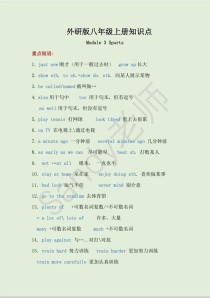
Unit 1: What's the matter?
主题:健康问题与建议
(图片来源网络,侵删)
核心课文内容
对话部分 (1b & 1c)
- 场景:Betty 和 Judy 在谈论他们的健康状况。
- :
- Betty: "I have a headache. I can't go to school today."
- Judy: "That's too bad. You should drink some hot tea with honey. It works for me."
- Betty: "Thanks, Judy. And what should I do?"
- Judy: "You shouldn't study tonight. You should rest."
- Betty: "OK. I'll try to go to bed early."
阅读部分 (2b)
- :"Maybe you should learn to relax!"
- :
- 文章比较了两种不同类型的家庭对待孩子课外活动的方式。
- Linda's parents (虎妈虎爸型): They want her to be a successful pianist. She has piano lessons every day after school, and she has to practice for three hours on weekends. She feels stressed and tired all the time.
- Smith's parents (自由发展型): They think Linda should have time to relax. They say she needs time to do things she enjoys, like listening to music or hanging out with friends.
- 文章观点: It's important for children to have time to relax and think for themselves. Parents should understand that.
重点句型与短语
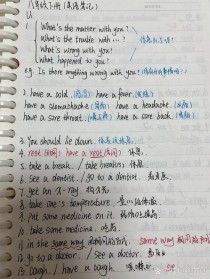
- 询问健康状况:
- What's the matter (with you)? / What's wrong (with you)?
- I have a headache / stomachache / toothache / fever / sore throat.
- I cut myself. / I hurt my back.
- 提出建议:
- (You) should / shouldn't + 动词原形.
- You'd better (not) + 动词原形. (你最好不...)
- Why don't you / Why not + 动词原形? (你为什么不...)
- What about / How about + doing sth.? (做...怎么样?)
- 表示同意与不同意:
- I agree. / I think so.
- I disagree. / I don't think so.
- 重点词汇:
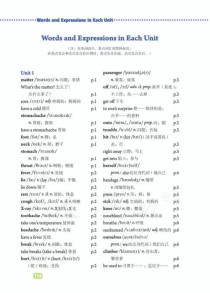
mattern. 问题,事情soreadj. 疼痛的have a fever发烧restv. / n. 休息honeyn. 蜂蜜dentistn. 牙医shouldern. 肩膀healthn. 健康medicinen. 药
Unit 2: I'll help to clean up the city parks.
主题:志愿服务与义务劳动
核心课文内容
对话部分 (1c)

(图片来源网络,侵删)
- 场景:学生志愿者在讨论他们能为社区做什么。
- :
- A: I'd like to join the volunteer project. What about you?
- B: Me too. I want to help kids with their schoolwork.
- A: You could give out food at the food bank.
- B: That sounds interesting. Or we could visit the old people's home and cheer them up.
- A: Good idea! We can also help clean up the city parks.
阅读部分 (2b)
- :"The Noise in the Neighborhood"
- :
- 文章讲述了一个叫Ben的男孩,他住的社区很吵,影响人们生活。
- 问题: A family down the street often has loud parties. The noise goes on until midnight.
- 行动: Ben and his friends decided to do something about it. First, they made a survey and found many people agreed with them. Then, they wrote a letter to the manager of the apartment building, explaining the problem and suggesting some rules, like keeping the music down after 10 p.m.
- 结果: The manager was happy to help. He put up signs asking people to be quiet. The neighborhood became much quieter.
重点句型与短语
- 表达意愿和提供帮助:
- I'd like to / I want to + 动词原形.
- I hope to + 动词原形.
- I'm ready to + 动词原形.
- Could you please + 动词原形?
- I'm glad to help.
- 提出建议和方案:
- You/we could + 动词原形.
- How about / What about + doing sth.?
- Let's + 动词原形.
- 动词短语:
clean up打扫干净give out分发cheer up(使)高兴起来come up with提出,想出put off推迟write down写下call up打电话给hand out分发
- 重点词汇:
volunteern. 志愿者communityn. 社区signn. 标志,信号noticen. 通知,布告lonelyadj. 孤独的severaladj. 几个,数个strongadj. 强烈的feelingn. 感觉,情感
Unit 3: Could you please clean your room?
主题:家务劳动与家庭责任
核心课文内容
对话部分 (1c)
- 场景:妈妈和儿子Sandy在讨论家务。
- :
- Mom: Sandy, could you please take out the trash?
- Sandy: Yes, Mom. But I need to finish my homework first.
- Mom: OK. Could you please do the dishes after that?
- Sandy: Sure. I'll do them right after I finish my homework.
- Mom: Thanks, dear. And could you please make your bed?
- Sandy: Ugh, Mom! Do I have to? I'm going to clean my room later.
- Mom: Yes, you do. It's your turn to do the laundry today.
- Sandy: Alright, alright. I'll do it.
阅读部分 (2b)
(图片来源网络,侵删)
- :"Is your technology killing you?"
- :
- 文章讨论了现代技术(尤其是手机和电脑)对家庭关系的影响。
- 问题: Many families are too busy with their phones and computers to talk to each other. They have "phubbing" (phone snubbing) at the dinner table.
- 对比: In the past, families would talk and laugh together after dinner. Now, everyone is looking at their own screen.
- 呼吁: The article suggests that families should make rules, like no phones at the dinner table, to spend more quality time together and improve their relationships.
重点句型与短语
- 提出礼貌的请求:
- Could you please + 动词原形?
- Would you mind + doing sth.? (你介意做...吗?)
- Could I + 动词原形? (我能...吗?)
- 允许与拒绝:
- 允许: Sure / Of course / No problem. / OK.
- 拒绝: Sorry, I can't. I have to... / I'm afraid I can't. I need to...
- 家务劳动短语:
do the dishes洗碗sweep the floor扫地take out the trash倒垃圾make the bed整理床铺fold the clothes叠衣服do the laundry洗衣服feed the pet喂宠物
- 重点词汇:
choren. 杂务,家务messn. 脏乱,凌乱borrowv. 借入lendv. 借出stressn. 压力,紧张wastev. / n. 浪费providev. 提供developv. 发展,形成skilln. 技能
Unit 4: Why don't you talk to your parents?
主题:人际交往与问题解决
核心课文内容
对话部分 (1c)
- 场景:学生们在讨论他们遇到的问题。
- :
- A: I'm really stressed out. I have too much homework and I got a bad grade on my last test.
- B: You should talk to your teacher and ask for help.
- A: I'm also having trouble with my best friend. We argued last week and we haven't talked to each other since.
- C: Why don't you write him a letter and say sorry?
- B: Or you could call him. That might be easier.
- A: That's a good idea. I think I'll try that.
阅读部分 (2b)
- :"What's the best thing to do?"
- :
- 文章通过几个例子说明,当遇到问题时,和朋友或家人谈谈是最好的解决方法。
- 例子1: A girl named Anna is worried about her friend. Her friend is always sad and doesn't want to do anything. Anna feels helpless. The advice is to listen to her friend and be there for her.
- 例子2: A boy named Robert is having problems with his neighbor's dog. It barks all night. The advice is to talk to his neighbor politely first.
- 文章主旨: The best thing to do when you have a problem is to talk to someone you trust. They can help you see the problem in a different way and find a solution.
重点句型与短语
- 提建议:
- Why don't you / Why not + 动词原形?
- You should / could + 动词原形.
- What about / How about + doing sth.?
- Have you considered + doing sth.? (你有没有考虑过...?)
- 描述问题与感受:
- I have a problem (with...).
- I'm really stressed out / worried / upset.
- I can't sleep / study / get along with...
- I don't know what to do.
- 重点词汇:
insteadadv. 代替,反而arguev. 争吵,争论communicatev. 沟通,交流offerv. 提供,提议properadj. 正确的,恰当的explainv. 解释,说明clearadj. 清晰的;清楚的copyn. / v. 抄袭;副本returnv. 归还
Unit 5: What were you doing when the rainstorm came?
主题:过去进行时与过去发生的事件
核心课文内容
对话部分 (1c)
- 场景:朋友在谈论暴风雨来临时的情景。
- :
- A: What were you doing at 8:00 last night?
- B: I was doing my homework.
- A: What was your father doing at that time?
- B: He was reading a newspaper in the living room.
- A: What about your mother?
- B: She was cooking dinner in the kitchen.
- A: Then the rainstorm came. What were you doing when it started raining?
- B: I was just finishing my homework. I was so scared!
阅读部分 (2b)
- :"The storm brought people closer together"
- :
- 文章讲述了一场暴风雨过后,社区邻里之间互相帮助的故事。
- 暴风雨来临时: People were doing different things. Some were sleeping, some were watching TV, and some were working.
- 暴风雨过后: A big tree fell down and blocked the street. Power lines were down, so many houses had no electricity.
- 社区互助: Neighbors came out to help each other. They worked together to move the tree away. People shared their food and flashlights with those in need. A local restaurant provided free hot meals for everyone.
- 文章主旨: Although the storm caused a lot of trouble, it also brought people closer together. It showed the importance of community and helping others.
重点句型与短语
- 过去进行时:
- 结构: was/were + doing
- 用法: 表示在过去某个特定时间点或时间段正在进行的动作。
- 例句: I was sleeping when the phone rang. They were having a meeting at 10 o'clock yesterday morning.
- when, while, as 引导的时间状语从句:
When(当...时): 可接短暂性或延续性动词。While(在...期间): 只接延续性动词,表示主从句动作同时进行。As(一边...一边...): 表示两个动作同时进行。
- 重点词汇:
rainstormn. 暴风雨alarmn. 闹钟;警报go off(闹钟)发出响声heavilyadv. 大量地,猛烈地suddenlyadv. 突然地reportn. / v. 报道;报告arean. 地区,区域againstprep. 依靠;反对die down逐渐变弱,平息fallenadj. 倒下的,落下的 (fall的过去分词)
Unit 6: An old man tried to move the mountains.
主题:传统故事与寓言
核心课文内容
阅读部分 (2b)
- :The Monkey King
- :
- 故事背景: A long time ago, on the Mountain of Flowers and Fruit, a stone egg gave birth to a magic monkey. He could 72 changes.
- 成为美猴王: The monkeys made him their king, the Monkey King.
- 寻找长生不老: He traveled to a faraway place and learned magic from a wise master. He could fly on a cloud.
- 大闹天宫: He became proud and wanted to be as famous as the Jade Emperor. He fought with the heavenly soldiers and even ate the Jade Emperor's peaches. The Buddha finally stopped him and kept him under a mountain for 500 years.
- 保护唐僧: Later, the Buddha asked him to protect a monk, Tang Sanzang, on a journey to the West to get Buddhist scriptures. The Monkey King used his magic to protect the monk from many monsters and demons.
- 故事寓意: The Monkey King is clever and never gives up when he is in trouble. He is a hero to children in China.
重点句型与短语
- 讲故事常用的句型:
- Once upon a time... (从前...)
- A long time ago... (很久以前...)
- There was/were... (有...)
- One day, ... (有一天...)
- He/She tried to do sth. (他/她努力做某事)
- As soon as... (一...就...)
- Unless... (除非...)
- 重点词汇:
remindv. 提醒bitn. 一点,一些instead of代替,而不是turn into变成objectn. 物体hidev. 藏,隐藏tailn. 尾巴excitedadj. 激动的,兴奋的get married结婚fitv. 适合,合身emperorn. 皇帝stomachn. 胃,肚子braveadj. 勇敢的leadv. 引领,带领gentleadj. 温柔的positionn. 位置;职位
Unit 7: What's the best movie theater?
主题:谈论喜好与比较事物
核心课文内容
对话部分 (1c)
- 场景:朋友们在讨论镇上最好的电影院。
- :
- A: What's the best movie theater in town?
- B: I think Town Cinema is the best. It has the biggest screens and the most comfortable seats.
- A: But it's the most expensive, isn't it?
- B: Yes, but it's the closest to home. And you can buy the cheapest tickets there.
- A: How about Screen City?
- B: It's the worst. It has the smallest screens and the worst service.
阅读部分 (2b)
- :"Talent Shows Are Getting Popular"
- :
- 文章介绍了各种电视才艺秀节目,如《中国达人秀》和《美国偶像》。
- : People with different talents, like singing, dancing, magic, and acrobatics, show their abilities on TV.
- 节目目的: They want to become famous and win a prize.
- 观众反应: Many people watch these shows. Some people think they are fantastic and that the performers are talented. Others think they are boring and that some performers are just foolish.
- 节目影响: These shows give people a chance to show their talents. They can also inspire people to follow their dreams.
重点句型与短语
- 最高级:
- 结构: the + 形容词/副词最高级 + (in/of...)
- 例句: This is the best book (of all). He runs the fastest (in our class).
- 比较级和最高级的变化规则:
- 单音节和部分双音节词:
tall -> taller -> tallest - 以 -y 结尾的双音节词:
happy -> happier -> happiest - 多音节词:
beautiful -> more beautiful -> most beautiful - 不规则变化:
good/well -> better -> best,bad/badly -> worse -> worst
- 单音节和部分双音节词:
- 重点词汇:
theatern. 剧场,电影院comfortableadj. 舒服的seatn. 座位screenn. 屏幕closeadj. 近的songn. 歌曲directorn. 导演reportern. 记者soadv. 这么talentn. 天才,天赋commonadj. 普通的,常见的winnern. 获胜者prizen. 奖赏,奖品take seriously认真对待
Unit 8: Have you read Treasure Island yet?
主题:谈论阅读经历与完成情况
核心课文内容
对话部分 (1c)
- 场景:同学们在交流他们读过的书。
- :
- A: Have you read Little Women yet?
- B: Yes, I have. I finished it last week. It's fantastic.
- A: What about Treasure Island? Have you read that one?
- B: No, I haven't. I've just started reading Oliver Twist. It's really exciting.
- A: Have you seen the movie Treasure Island?
- B: Yes, I have. I saw it when I was a kid. It was great.
阅读部分 (2b)
- :"Literature in Music"
- :
- 文章介绍了几首著名的歌曲,这些歌曲的灵感来自于文学作品。
- 歌曲1: "Rime of the Ancient Mariner" - Based on a poem by Samuel Taylor Coleridge. It tells the story of a sailor who has to suffer for what he has done.
- 歌曲2: "The Phantom of the Opera" - Based on a French novel. It's a love story about a beautiful singer and a mysterious man who lives under the opera house.
- 歌曲3: "Sailing" - Inspired by the novel The Old Man and the Sea by Ernest Hemingway. It expresses the feeling of adventure and challenge.
- 文章主旨: Many songwriters get ideas from great books and poems. Music and literature are connected and can inspire each other.
重点句型与短语
- 现在完成时:
- 结构: have/has + 动词的过去分词
- 用法1: 表示过去发生并持续到现在的动作或状态,常与
for(持续多久) 和since(自从何时) 连用。 - 用法2: 表示过去发生过的动作,对现在有影响或结果,常与
already, yet, just, ever, never等词连用。
- 现在完成时与一般过去时的区别:
- 现在完成时: 强调对现在的影响或结果,不指明具体时间。
I have lost my key.(我现在没钥匙了。) - 一般过去时: 强调动作在过去某个时间发生并结束,有明确的时间状语。
I lost my key yesterday.(我昨天丢的钥匙。)
- 现在完成时: 强调对现在的影响或结果,不指明具体时间。
- 重点词汇:
treasuren. 宝藏islandn. 岛classicn. 经典作品pagen. 页progressn. 进步,进展hurryv. / n. 匆忙dueadj. 到期的;预期的conclusionn. 结束charactern. 角色unknownadj. 未知的shipn. 船coverv. 覆盖;包含plotn. 情节
Unit 9: Have you ever been to a museum?
主题:谈论过去的经历
核心课文内容
对话部分 (1c)
- 场景:朋友在讨论他们去过的地方。
- :
- A: Have you ever been to a science museum?
- B: Yes, I have. I went to the Science and Technology Museum last year. It was really interesting.
- A: What about an art museum?
- B: No, I've never been to one. How about you?
- A: Me neither. I'd love to visit one someday. I like paintings very much.
- B: Let's go this weekend! I heard there's a great art exhibition at the City Museum.
阅读部分 (2b)
- :"Have you ever been to Singapore?"
- :
- 文章介绍了新加坡这个国家,鼓励人们去旅游。
- 地理位置: A small island country in Southeast Asia. It's a wonderful place to take a vacation.
- 气候: It's neither too hot nor too cold all year round. Because it's so clean, the government even doesn't allow people to chew gum!
- 语言: You can hear and use English everywhere. Many Chinese people live there, so you can also hear Chinese.
- 食物: You can try food from different countries. The best thing is that the food is cheap and delicious.
- 景点: There are many famous places to visit, like the Night Safari, where you can watch animals at night.
- Singapore is a safe and beautiful city with a lot to see and do.
重点句型与短语
- 现在完成时的疑问句和否定句:
- 疑问句: Have/Has + 主语 + 过去分词 + ...?
- 否定句: Have/Has + 主语 + not + 过去分词 + ...?
- 简略回答: Yes, 主语 + have/has. / No, 主语 + haven't/hasn't.
- 谈论经历:
- Have you ever been to...? (你去过...吗?)
- Have you ever done sth.? (你曾经做过...吗?)
- Yes, I have. / No, I haven't.
- Me neither. / Me too.
- 重点词汇:
amusementn. 娱乐,乐趣parkn. 公园especiallyadv. 特别,尤其themen. 主题fantasyn. 幻想disneyn. 迪士尼tourv. / n. 旅行,观光galleryn. 美术馆exhibitionn. 展览suggestv. 建议conditionn. 条件,状况peacefuladj. 和平的;宁静的grassn. 草thousandnum. 一千
Unit 10: I've had this bike for three years.
主题:现在完成时表示持续的动作和状态
核心课文内容
对话部分 (1c)
- 场景:朋友们在讨论他们拥有的东西。
- :
- A: How long have you had that bike?
- B: I've had it for three years. My dad gave it to me for my birthday.
- A: Wow, that's a long time! What about your cat?
- B: I've had her for about two years. I found her in the street on a rainy day.
- A: That's so nice of you. Have you ever thought of getting a new one?
- B: No, I love her very much. I don't want to get rid of her.
阅读部分 (2b)
- :"Kids for Sale"
- :
- 文章讲述了一个叫Tom的男孩,他不想扔掉自己小时候的玩具,想通过“卖掉”它们来为它们找到新家。
- 背景: Tom is a 12-year-old boy. He has a lot of toys from his childhood, like stuffed animals, toy cars, and old books.
- 想法: His mother wants to throw them away because he is too old for them. But Tom loves them and has memories connected with them.
- 行动: He decides to have a "yard sale" to sell his old toys. He makes signs that say "Kids for Sale" (actually, it's "Kids' Toys for Sale").
- 结果: Many neighbors come to his sale. They are interested in his toys and the stories behind them. He sells many of them and feels happy that his old toys can bring joy to other children.
- 文章主旨: This story shows that children can be creative and caring. Old things are not just trash; they have memories and value.
重点句型与短语
- "have" 的两种用法:
- 表示“拥有”: I have a car. (一般现在时)
- 表示“拥有/持有...(一段时间)”: I have had this car for two years. (现在完成时,表示“拥有”这个状态持续了两年)
- 表示持续一段时间的句型:
- 结构: have/has + sth. + for + 一段时间
- 例句: She has lived here for ten years. We have been friends since 2025.
- 重点词汇:
yard sale庭院旧货出售sweetadj. 甜的;可爱的softadj. 软的bearn. 熊makern. 制造者producev. 生产,制造breadn. 面包beveragen. 饮料freshadj. 新鲜的packetn. 小包,小袋introducev. 介绍completeadj. 完整的collectv. 收集brandn. 品牌
希望这份整理对您有帮助!如果您需要某个单元更详细的讲解或练习题,可以随时提问。