八年级英语上册第一单元知识点
校园之窗 2025年12月4日 09:42:00 99ANYc3cd6
八年级英语上册第一单元核心知识点总结
核心话题与功能
本单元主要学习如何谈论日常活动和活动发生的频率。
- 日常活动: 如:做作业、看电视、锻炼、上网、购物等。
- 核心功能:
- 询问和描述自己或他人的日常活动。
- 询问和回答活动发生的频率。
- 表达对不同活动的看法(喜欢/不喜欢)。
核心词汇
-
日常活动类:
 (图片来源网络,侵删)
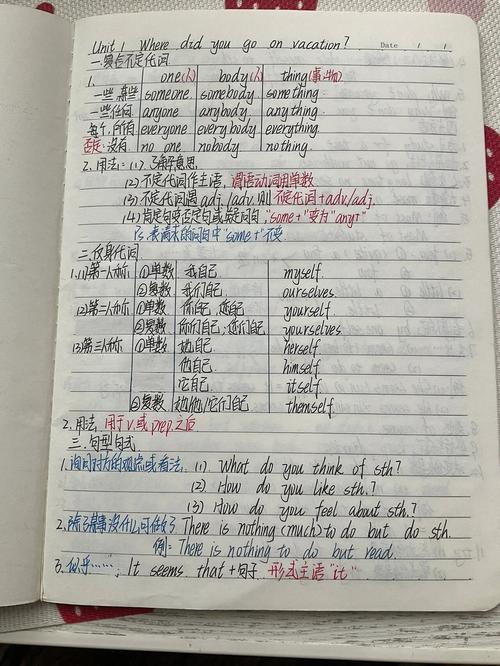
do homework(做作业)watch TV(看电视)go shopping(购物)use the Internet(上网)read books/magazines(读书/杂志)exercise/do exercise(锻炼)go to the movies(去看电影)clean my room(打扫我的房间)help with housework(做家务)get up(起床)go to bed(上床睡觉)
-
频率副词:
always(总是,100%) - 频率最高usually(80%)often(经常,60%)sometimes(有时,40%)hardly ever(几乎不,20%)never(从不,0%) - 频率最低
记忆技巧: 按频率从高到低排列,可以想象一个频率阶梯。
always→usually→often→sometimes→hardly ever→never -
周末活动类:
go to the cinema(去电影院)camp(野营)hike(远足)play basketball/tennis/volleyball(打篮球/网球/排球)have piano/singing lessons(上钢琴/唱歌课)help my parents(帮助我的父母)
-
观点类:
 (图片来源网络,侵删)
love(热爱)like(喜欢)enjoy(享受)mind(介意) - 通常用于疑问句或否定句don't like(不喜欢)dislike(不喜欢)hate(讨厌)
核心句型与语法
频率副词的用法
-
位置: 频率副词通常放在实义动词的前面。
I **always** get up at 6:30.(我总是6:30起床。)She **usually** goes to school by bus.(她通常坐公交车去上学。)We **often** play basketball after school.(我们放学后经常打篮球。)He **sometimes** watches TV at night.(他有时晚上看电视。)They **hardly ever** exercise.(他们几乎不锻炼。)I **never** eat junk food.(我从不吃垃圾食品。)
-
特殊用法: 如果句中有be动词、情态动词 或 助动词,频率副词要放在它们后面。
I am **always** busy on weekends.(我周末总是很忙。) -am后面She **can always** finish her homework on time.(她总能按时完成作业。) -can后面Do you **usually** go to bed early?(你通常早睡吗?) -Do后面He **doesn't often** play computer games.(他不常玩电脑游戏。) -doesn't后面
How often 的提问与回答
-
问句:
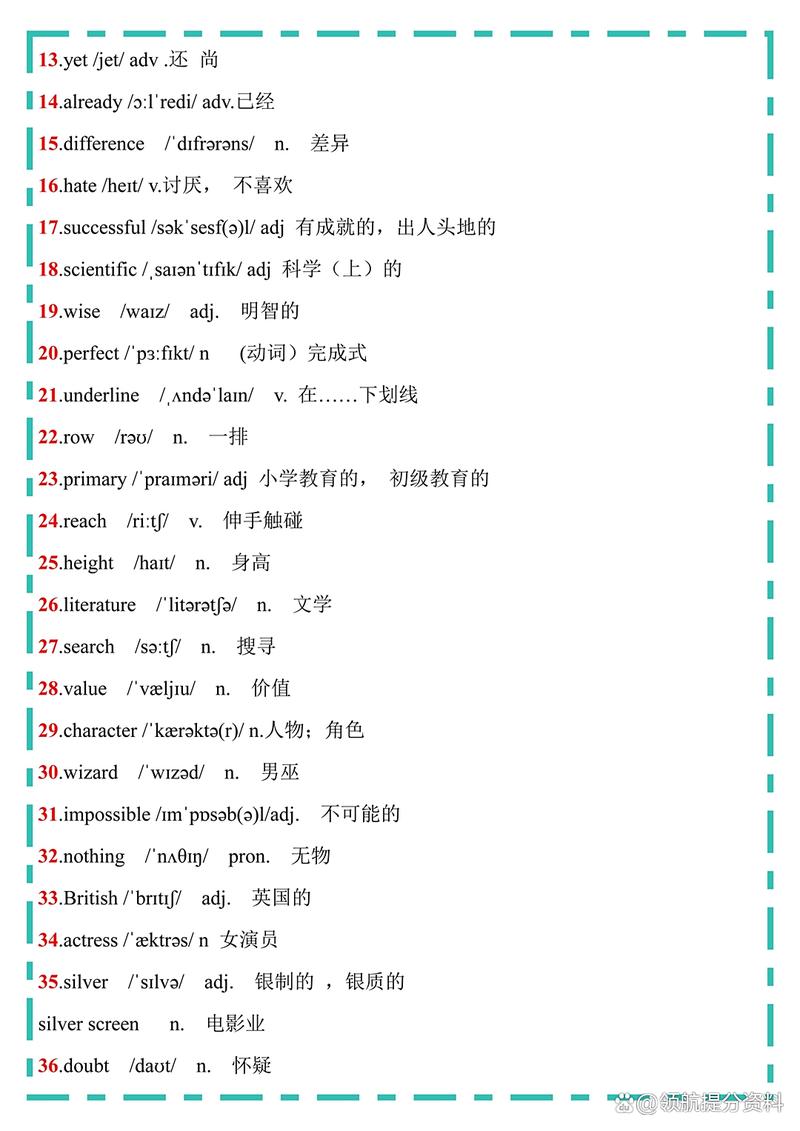
How often + do/does + 主语 + 动词原形 + ...?(多久一次?)**How often** do you exercise?(你多久锻炼一次?)**How often** does he watch movies?(他多久看一次电影?)
-
答句: 用频率副词来回答。
I exercise **every day**.(我每天都锻炼。)He watches movies **once a week**.(他每周看一次电影。)She goes shopping **twice a month**.(她每月购物两次。)We read books **three times a week**.(我们每周读三次书。)
描述日常活动的句型
-
询问对方的活动:
What do you usually do on weekends?(你周末通常做什么?)What does he do in the evening?(他晚上做什么?)
-
回答自己的活动:
I usually exercise.(我通常锻炼。)I sometimes go shopping.(我有时去购物。)I hardly ever watch TV.(我几乎不看电视。)
-
表达观点:
I love going shopping.(我喜欢购物。)She enjoys reading.(她喜欢阅读。)Do you mind if I listen to music?(你介意我听音乐吗?)
重点短语与搭配
on weekends/at the weekend(在周末)once a week(每周一次)twice a month(每月两次)three times a year(每年三次)次数+time(s)+a + 时间段
all the time(一直,总是) - 强调频率高,但和always意思不完全一样。surf the Internet(网上冲浪) - 和use the Internet意思相近,但更侧重浏览网页。junk food(垃圾食品)health habit(健康习惯)unhealthy habit(不健康的习惯)
常见考点与易错点
-
频率副词的位置:
- 易错点: 错误地将频率副词放在句末或句首。
- 正确:
I always finish my homework.(✓) - 错误:
I finish my homework always.(✗)
-
How often 的回答:
- 易错点: 只会用频率副词回答,而忽略了可以用
once/twice/three times等具体次数回答。 - 正确:
How often do you go to the library?->**Twice a week**.(✓) 或**Often**.(✓)
- 易错点: 只会用频率副词回答,而忽略了可以用
-
主谓一致:
- 易错点: 在
How often句型中,忘记he/she/it后面的动词要加s。 - 正确:
How often **does** he play computer games?(✓) - 错误:
How often do he play computer games?(✗)
- 易错点: 在
-
动词形式:
- 易错点: 在回答
What do you...?时,动词忘记用原形。 - 正确:
What do you do?->I **do** my homework.(✓) - 错误:
I **doing** my homework.(✗)
- 易错点: 在回答
写作与应用
本单元最常见的写作题目是“我的日常/周末活动”。
写作结构建议:
- 开头: 总述你的日常或周末活动。
I have a busy life. / My weekends are usually interesting.
- 主体 (分点描述):
- 使用频率副词 来描述不同活动的频率。
On weekdays, I usually get up at 6:30. I always go to school on foot.In the evening, I often do my homework. I sometimes watch TV for half an hour.On weekends, I usually exercise. I play basketball twice a week. I also like to go shopping with my mother, but we only go once a month.
- 表达你对这种生活的感受或看法。
I think my life is healthy and meaningful. / I enjoy my busy life.
范文示例:
My Daily Life
I have a regular daily routine. On weekdays, I always get up at 6:30 a.m. and then go to school by bus. I have four classes in the morning and three in the afternoon. After school, I usually go home and do my homework first. In the evening, I often read books for about an hour. I sometimes watch TV, but I hardly ever play computer games because I want to protect my eyes. I go to bed at 10 p.m. I think my life is busy but healthy.
希望这份详细的总结对你有帮助!多听、多说、多读、多写是学好英语的关键,祝你学习进步!