北京交通英语作文,如何用英语地道描述北京交通?
作文示例 2025年12月13日 20:34:00 99ANYc3cd6
(H1): Mastering Beijing's Transportation: A Comprehensive English Essay Guide
Meta Description: Struggling with an English essay about Beijing's transportation? This guide provides a high-quality, well-structured essay, key vocabulary, and expert analysis to help you excel. Learn about the subway, buses, and more!
Introduction (引言)
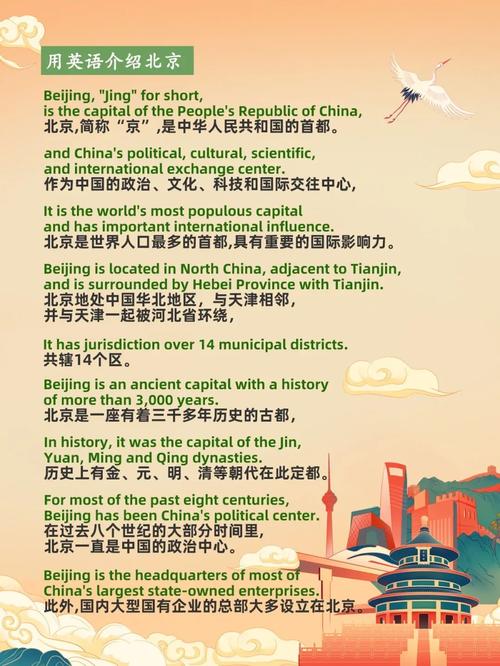
Beijing, the sprawling capital of China, is a city of immense history, vibrant culture, and dynamic energy. Yet, for any resident or visitor, one of the most defining—and sometimes challenging—experiences is navigating its vast and complex transportation network. More than just a means of getting from point A to B, Beijing's transportation system is a microcosm of the city's rapid modernization and its constant struggle between tradition and progress. This essay will explore the multifaceted nature of Beijing's transportation, examining its world-class infrastructure, the persistent challenges it faces, and the innovative solutions shaping its future.
The Backbone of the City: The Subway System (城市动脉:地铁系统)
If there is one word that encapsulates the success of Beijing's transportation, it is "subway." The Beijing Subway, with its extensive network stretching over 700 kilometers, is the undisputed backbone of the city's public transit. Opened in 1969 and undergoing explosive growth since the 2008 Olympics, it is a marvel of modern engineering. Trains run with remarkable frequency, often arriving every two to three minutes during peak hours, efficiently whisking millions of commuters daily across the metropolis.
What makes the subway particularly impressive is its integration with the city's landmarks and modern architecture. Stations like Dongzhimen, with its futuristic "bird's nest" design, and Guomao, a bustling hub for business, are not just transit points but destinations in themselves. For the average Beijinger and the international student alike, the subway is the fastest, most reliable, and most affordable way to traverse the city, turning a two-hour journey by car into a swift 30-minute ride.
The Ubiquitous Lifeline: Buses and Taxis (无处不在的生命线:公交与出租车)
Complementing the subway is a vast network of buses that serves as an essential lifeline, reaching corners of the city that the subway cannot. While often slower due to traffic, buses are incredibly cheap and provide a scenic, ground-level view of urban life. The introduction of dedicated bus lanes has improved their efficiency, making them a viable option for many.
Then there are the taxis, once a symbol of convenience. For tourists or those late at night, hailing a yellow taxi remains a common practice. However, their prominence has been significantly challenged by the rise of ride-hailing apps like Didi Chuxing. These apps have revolutionized personal transport, offering transparent pricing, GPS tracking, and a sense of security that traditional taxis sometimes lacked. Didi has become so ingrained in daily life that it is often the default choice for many Beijingers, showcasing the power of technological disruption in urban services.
The Persistent Challenge: Traffic Congestion (持久的挑战:交通拥堵)
Despite these advancements, Beijing's transportation system is not without its Achilles' heel: traffic congestion. The city's explosive economic growth has led to a surge in private car ownership, with millions of vehicles clogging the ring roads and main arteries, especially during morning and evening rush hours. The infamous "rush hour" can turn a simple 10-kilometer journey into a frustrating crawl that lasts over an hour. This congestion not only wastes valuable time but also contributes to air pollution, creating a pressing environmental and public health issue that the city continues to grapple with.
Innovations and the Road Ahead (创新与未来之路)
In response to these challenges, Beijing has become a living laboratory for urban transportation innovation. The city has implemented a robust license plate lottery system to strictly limit the number of new cars on the road. Furthermore, it has heavily invested in expanding its subway and building more roads, albeit with limited success in combating congestion.
Looking ahead, the focus is shifting towards smart transportation. The development of a comprehensive Integrated Transport Card (Yikatong) allows seamless travel across subways, buses, and even some ferries. The city is also exploring the future of mobility with trials for autonomous vehicles and a continued push for cycling infrastructure, aiming to create a more multi-modal and sustainable transport ecosystem.
Conclusion (
In conclusion, Beijing's transportation is a tale of two cities. It boasts one of the world's most advanced and efficient subway systems, a testament to China's engineering prowess and rapid development. Yet, it is also a city struggling with the growing pains of urbanization, epitomized by its notorious traffic jams. The daily commute for a Beijinger is a dynamic experience, a blend of high-speed efficiency and frustrating delays. As the city looks to the future, its success will depend not just on building more infrastructure, but on embracing smarter, greener, and more integrated solutions. Ultimately, understanding Beijing's transportation is key to understanding the city itself: a place of incredible ambition, relentless change, and an unyielding spirit of progress.
For Students: Key Vocabulary & Phrases (学生专用:核心词汇与短语)
To help you build your own essays, here is a list of essential vocabulary and phrases used in this article.
Nouns:
- Infrastructure: 基础设施
- Network: 网络
- Commuter: 通勤者
- Metropolis: 大都市
- Congestion: 拥堵
- Innovation: 创新
- Microcosm: 缩影
- Hub: 中心,枢纽
Verbs:
- Navigate: 导航,航行
- Traverse: 横穿,穿越
- Complement: 补充,与...相辅相成
- Grapple with: 努力应对,挣扎
- Showcase: 展示
- Implement: 实施,执行
Adjectives:
- Sprawling: 广阔的,蔓延的
- Extensive: 广泛的,广阔的
- Remarkable: 显著的,非凡的
- Ubiquitous: 无处不在的
- Frustrating: 令人沮丧的
- Sustainable: 可持续的
Useful Phrases:
- A microcosm of...: ...的缩影
- The backbone of...: ...的支柱/骨干
- A lifeline for...: ...的生命线
- An Achilles' heel: 阿喀琉斯之踵,致命弱点
- A tale of two cities: 一个有两个面貌的故事(指对比鲜明)
- To be grappling with...: 正在努力应对...
- Living laboratory: 活的实验室
By understanding these words and how they are used in context, you can significantly improve the quality and sophistication of your English writing on this topic. Good luck