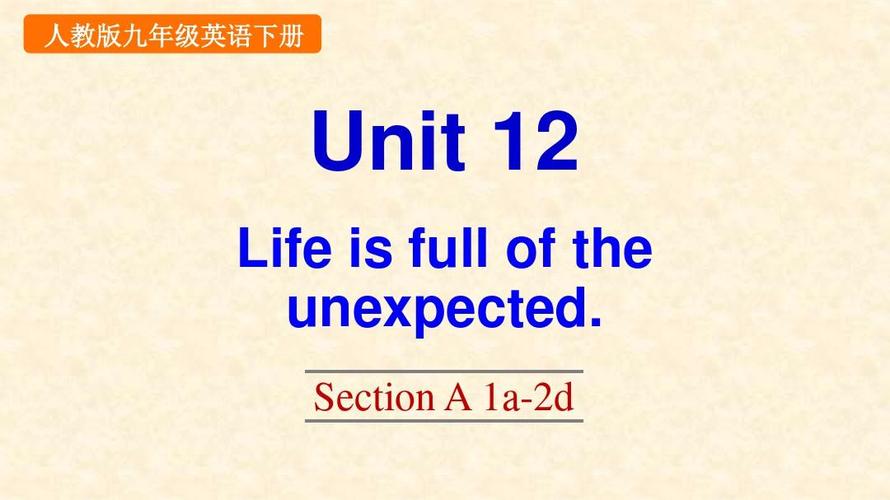
九年级下册英语Unit12核心考点是什么?
校园之窗 2025年12月9日 14:35:18 99ANYc3cd6
以下是本单元的详细知识点总结,包括核心词汇、核心语法、功能句型和话题拓展。
核心词汇
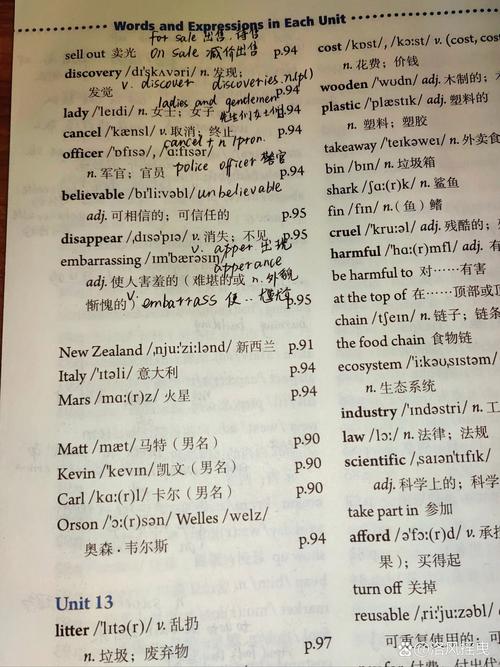
重点单词
- unexpected /ˌʌnɪkˈspektɪd/ adj. 意外的;想不到的
- oversleep /ˌəʊvəˈsliːp/ v. (overslept, overslept) 睡过头
- lock /lɒk/ v. 锁上 n. 锁
- block /blɒk/ n. 街区;块 v. 阻塞;封锁
- empty /ˈempti/ adj. 空的
- rush /rʌʃ/ v. 冲;匆忙
- miss /mɪs/ v. 错过;想念
- accident /ˈæksɪdənt/ n. 事故;意外
- officer /ˈɒfɪsə(r)/ n. 军官;官员;警官
- ghost /ɡəʊst/ n. 鬼;幽灵
- costume /ˈkɒstjuːm/ n. 戏装;服装
- sock /sɒk/ n. 短袜
- nothing /ˈnʌθɪŋ/ pron. 没有什么;毫无
- traffic /ˈtræfɪk/ n. 交通;交通流量
- lucky /ˈlʌki/ adj. 幸运的;侥幸的
- unlucky /ʌnˈlʌki/ adj. 不幸的;倒霉的
- announce /əˈnaʊns/ v. 宣布;宣告
- believable /bɪˈliːvəbl/ adj. 可信的
- embarrassed /ɪmˈbærəst/ adj. 尴尬的;窘迫的
- embarrassing /ɪmˈbærəsɪŋ/ adj. 令人尴尬的
- apologize /əˈpɒlədʒaɪz/ v. (apologized, apologized) 道歉
- born /bɔːrn/ v. 出生 (bear的过去分词)
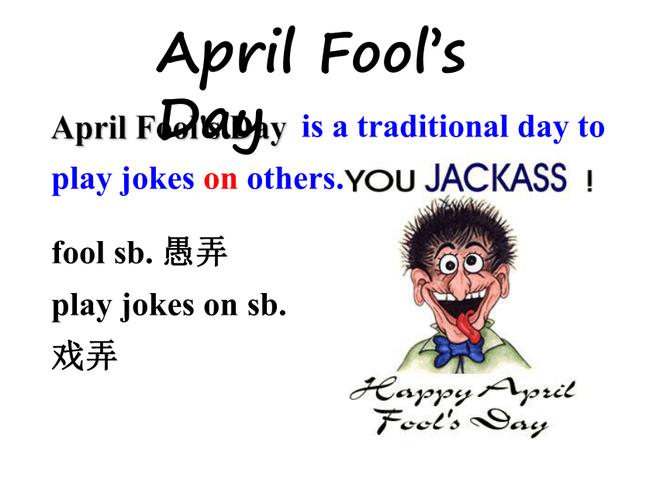
- April Fool's Day /ˈeɪprəl fuːlz deɪ/ n. 愚人节
- by the time /baɪ ðə taɪm/ ...到...的时候;在...之前
重点短语
- get up 起床
- get dressed 穿上衣服
- show up 出现;露面
- end up 最终成为;结果
- stay up 熬夜;不睡
- go off (闹钟)发出响声
- on time 准时
- be full of 充满...
- change one's mind 改变主意
- instead of 代替;而不是
- first of all 首先
- be late for 迟到...
- take a shower 洗个澡
- have a bad day 度过糟糕的一天
- apologize to sb. for sth. 为某事向某人道歉
核心语法
过去完成时
这是本单元最重要的语法点。
(图片来源网络,侵删)
-
定义:表示一个动作在过去另一个动作之前就已经完成,它强调的是“过去的过去”。
-
构成:
had + 动词的过去分词 -
句型结构:
- 肯定句:主语 + had + 过去分词 + 其他.
- By the time I got up, my brother had already left for school.
- (到我起床时,我哥哥已经去上学了。)
- 否定句:主语 + had not (hadn't) + 过去分词 + 其他.
- When I arrived, the train hadn't left yet.
- (我到达时,火车还没走。)
- 一般疑问句:Had + 主语 + 过去分词 + 其他?
- Had you finished your homework before your mother came back?
- (在你妈妈回来之前,你完成作业了吗?)
- 特殊疑问句:特殊疑问词 + had + 主语 + 过去分词 + 其他?
- What had he done before he decided to change his job?
- (在他决定换工作之前,他做了什么?)
- 肯定句:主语 + had + 过去分词 + 其他.
-
常用时间状语:
 (图片来源网络,侵删)
by the time + 过去时间点(到...的时候)before(在...之前)when(当...时候,引导的从句动作发生在主句动作之后)by + 过去时间点(在...之前)already(已经),yet(还),just(刚刚)
反身代词
表示“自己”、“自身”。
-
构成:
物主代词 + -self(单数) /物主代词 + -selves(复数) -
列表: | 人称 | 主格 | 宾格 | 反身代词 | | :--- | :--- | :--- | :--- | | 第一人称单数 | I | me | myself | | 第二人称单数 | you | you | yourself | | 第三人称单数 | he | him | himself | | 第三人称单数 | she | her | herself | | 第三人称单数 | it | it | itself | | 第一人称复数 | we | us | ourselves | | 第二人称复数 | you | you | yourselves | | 第三人称复数 | they | them | themselves |
-
用法:
 (图片来源网络,侵删)
- 作宾语:表示动作返回到主语自身。
- He taught himself English. (他自学英语。)
- Don't blame yourself. (别自责了。)
- 作同位语:起强调作用,放在名词或代词后。
- I saw the president himself. (我亲眼见到了总统本人。)
- You can do it yourself. (你可以自己做。)
- 固定搭配:
by oneself(独自地;单独地)enjoy oneself(玩得开心)help oneself to...(请自用...)say to oneself(心里想)
- 作宾语:表示动作返回到主语自身。
功能句型
本单元主要围绕讲述个人经历展开。
讲述意外经历
- 引出事件:
- I remember one strange day. (我记得一个奇怪的日子。)
- It was an unforgettable experience. (那是一次难忘的经历。)
- 描述事件经过 (使用过去完成时和一般过去时):
- By the time I got to the bus stop, the bus had already left. (当我到公交站时,公交车已经开走了。)
- When I got home, I realized I had left my keys at school. (当我到家时,我意识到我把钥匙忘在学校了。)
- 说明结果:
- As a result, I was late for work. (结果,我上班迟到了。)
- Finally, I had to take a taxi. (我不得不打车。)
讲述愚人节经历
- 说明背景:
- On April Fool's Day, I wanted to play a trick on my friend. (在愚人节,我想捉弄一下我的朋友。)
- 描述计划:
- I put a fake spider in his desk before class. (我在课前在他的课桌里放了一只假蜘蛛。)
- 描述结果和感受:
- When he opened his desk, he was so scared that he screamed. (当他打开课桌时,他吓坏了,尖叫起来。)
- I felt a little embarrassed because he was really upset. (我有点尴尬,因为他真的很生气。)
话题拓展
生活中的意外
- 睡过头:Oversleeping and missing an important exam/interview.
- 丢三落四:Forgetting keys, wallet, or phone at home.
- 交通堵塞:Getting stuck in heavy traffic and being late.
- 乌龙事件:A funny misunderstanding or a silly mistake.
如何应对尴尬
- 保持冷静:Stay calm and don't panic.
- 真诚道歉:Apologize sincerely if it's your fault. I'm so sorry for...
- 自嘲:Use humor to break the ice. Well, that was embarrassing!
- 忘记它:Let it go and don't dwell on it. Everyone makes mistakes.
节日与文化
- 愚人节 (April Fool's Day):讨论其起源、传统(只限中午12点前开玩笑)和常见的玩笑形式。
- 其他文化中的“意外”或“鬼魂”传说:可以拓展到万圣节、中国的中元节等,对比不同文化背景下的类似习俗。
学习建议
- 时态对比:多做“一般过去时”和“过去完成时”的对比练习,深刻理解“过去的过去”这一概念。
- 情境造句:不要孤立地记语法规则,尝试用
by the time...和had done...来描述自己或身边人的真实经历。 - 故事复述:熟读课本中的对话和课文,尝试用自己的话复述故事,注意使用正确的时态和反身代词。
- 写作练习:写一篇关于 "The Most Unforgettable Day" 或 "A Funny Mistake" 的小短文,综合运用本单元的词汇和语法。
希望这份详细的总结能帮助你更好地掌握 Unit 12 的内容!加油!