仁爱版八年级英语教案如何高效设计?
校园之窗 2026年1月28日 09:17:49 99ANYc3cd6
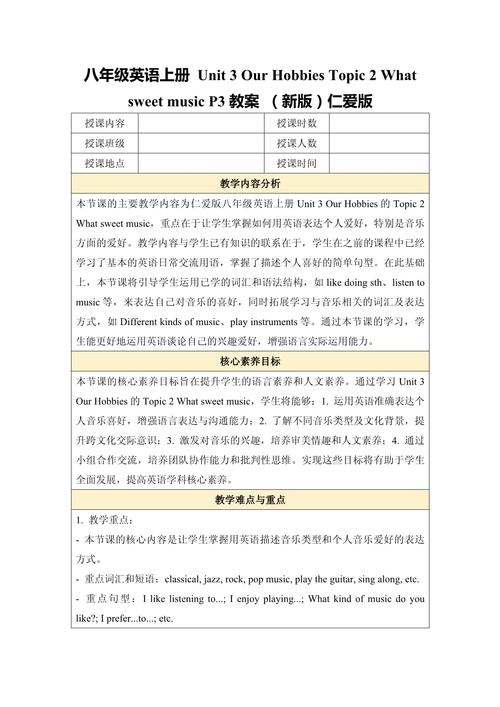
仁爱版八年级英语上册 Unit 3 Topic 1 What's your hobby? 教案
教学基本信息
- 课题: Unit 3 Our Hobbies
Topic 1 What's your hobby?
- 授课年级: 八年级
- 课时: 第1课时 (Section A)
- 授课教师: [您的姓名]
- 授课日期: [填写日期]
教学目标
根据《英语课程标准》的要求,结合本课内容,制定以下三维目标:
(图片来源网络,侵删)
-
知识与技能:
- 核心词汇: 掌握并运用本课的重点单词和短语,如:
hobby,collect,collect stamps,coin,paint,painting,take photos,make model planes,go hiking,surf the Internet。 - 核心句型:
- — What's your hobby?
- — My hobby is...
- — I like... / I enjoy... / I love...
- — What about you? / And you?
- 语法功能: 熟练运用
-ing形式(动名词)来表达兴趣爱好,并理解其在句中作主语或宾语的用法。 - 听: 能听懂关于兴趣爱好的简短对话和问题。
- 说: 能运用核心句型与同学进行简单的问答,谈论自己和他人的爱好。
- 读: 能读懂关于爱好的简单句子和对话。
- 写: 能模仿例句,写出关于自己或他人爱好的简单句子。
- 核心词汇: 掌握并运用本课的重点单词和短语,如:
-
过程与方法:
- 通过情景创设、小组合作、结对练习等方式,引导学生在真实的语境中感知、理解和运用语言。
- 运用多媒体、图片、实物等直观教具,激发学生的学习兴趣,降低学习难度。
- 鼓励学生积极参与课堂活动,培养其自主学习和合作探究的能力。
-
情感态度与价值观:
- 引导学生认识到拥有健康的兴趣爱好对个人成长的重要性,培养积极向上的生活态度。
- 鼓励学生乐于分享,学会倾听和尊重他人的不同爱好,增进同学间的友谊。
- 在活动中体验用英语进行交流的乐趣,增强学习英语的自信心。
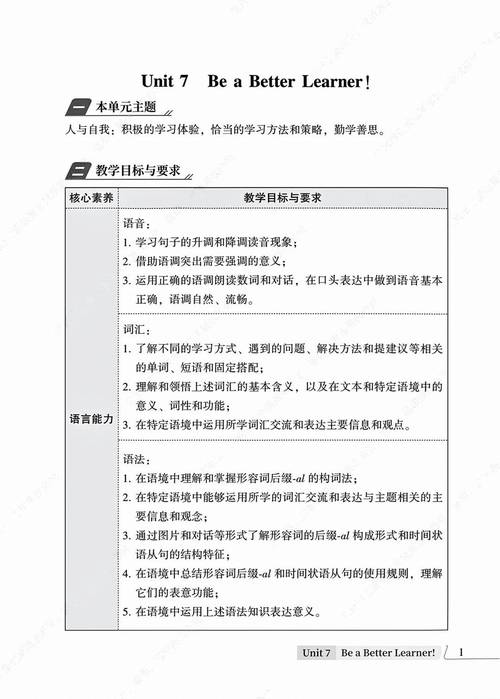
教学重难点
-
教学重点:
 (图片来源网络,侵删)
- 核心词汇和短语的理解与运用。
- 句型
What's your hobby?及其回答My hobby is.../I like...的熟练运用。 - 动名词作宾语的用法 (
collecting,painting,taking...)。
-
教学难点:
- 区分并正确使用
hobby(爱好) 和habit(习惯)。 - 熟练运用多种方式表达自己的爱好 (
like,enjoy,love,be fond of)。 - 在实际交际中自然、流畅地谈论爱好。
- 区分并正确使用
教学准备
- 教师准备: 多媒体课件、单词卡片、与爱好相关的图片或实物(如:邮票、画笔、相机模型、飞机模型等)、录音机或音频播放设备。
- 学生准备: 课本、练习本、笔,并提前思考一下自己的爱好。
教学过程
| 教学环节 | 时间 | 教师活动 | 学生活动 | 设计意图 |
|---|---|---|---|---|
| Step 1: Warming-up & Lead-in (热身与导入) | 5 mins | Greetings: Greet the students as usual. 2. Song/Video: Play a short, lively English song or a video clip about various activities (e.g., playing basketball, dancing, singing). 3. Question: Ask the class: "What are they doing in the video? Do you like doing these things?" |
Greet the teacher. 2. Watch the video/song and answer the teacher's questions. 3. Respond with "Yes/No" and simple words like "basketball", "dancing". |
通过视听导入,活跃课堂气氛,自然地将学生的注意力引到“活动”这一主题上,为学习“爱好”做铺垫。 |
| Step 2: Presentation (新知呈现) | 15 mins | Vocabulary Teaching: Show pictures or real objects of hobbies: stamps, coins, paintings, a camera, a model plane. Present the new words: hobby, collect, collect stamps/coins, paint, painting, take photos, make model planes. Have students repeat the words and phrases after the teacher. 2. Sentence Pattern Presentation: Point to the picture of "collecting stamps" and ask: "What's this hobby? It's collecting stamps." Write it on the board. Introduce the key question: "What's your hobby?" Guide students to answer: "My hobby is collecting stamps." or "I like collecting stamps." Present more phrases and write the patterns on the blackboard: — What's your hobby? — My hobby is... / I like/enjoy/love... 3. Listening Practice: Play the recording of 1a. Ask students to listen and number the pictures. * Play the recording again. Ask students to listen and repeat, paying attention to the pronunciation and intonation. |
Look at the pictures/objects, learn and read the new words and phrases. 2. Listen to the teacher and learn the key sentence patterns. 3. Practice asking and answering in pairs. 4. Listen to the tape, number the pictures, and then repeat the dialogue. |
利用直观教具呈现新词汇,降低学习难度,通过情景和问答引出核心句型,让学生在语境中理解其用法,听力训练输入标准语音语调,为后续的模仿和输出打下基础。 |
| Step 3: Practice (巩固练习) | 10 mins | Pair Work (1b): Ask students to work in pairs. Practice the dialogue in 1a, using the pictures in 1b as cues. Walk around the classroom, offering help and listening to their practice. 2. Make a New Dialogue: Encourage students to replace the hobbies in the dialogue with their own or other hobbies they have learned. Invite a few pairs to act out their new dialogues in front of the class. |
Work with a partner, practice the dialogue. 2. Create their own dialogues using new hobbies. 3. Act out the dialogues confidently. |
通过结对练习,让学生在互动中巩固所学句型和词汇,创造新对话则鼓励学生进行初步的迁移运用,培养其创新能力和口语表达能力。 |
| Step 4: Production (拓展应用) | 10 mins | Survey (Group Work): Divide the class into groups of 4-5. Give each group a survey table. Name |
Hobby (What's your hobby?) |
|
| Step 5: Summary & Homework (总结与作业) | 5 mins | Summary: Ask students: "What have we learned today?" Guide them to summarize the key words and sentence patterns on the blackboard. Emphasize the importance of having a hobby. 2. Homework: Level 1 (基础): Copy the new words and sentences three times. Level 2 (巩固): Write a short passage about your own hobby. (3-5 sentences) Level 3 (拓展): Interview your family members about their hobbies and write them down. |
Recall and summarize what they have learned. 2. Listen carefully to the teacher's instructions. 3. Write down the homework. |
引导学生自主总结,构建知识体系,分层作业设计兼顾了不同层次学生的需求,既巩固了基础知识,又为学有余力的学生提供了拓展空间。 |
板书设计
Unit 3 Our Hobbies Topic 1 What's your hobby?
| Key Vocabulary | Key Sentences |
|---|---|
| hobby (n.) | — What's your hobby? |
| collect (v.) | — My hobby is... |
| collect stamps/coins | — I like/enjoy/love... |
| coin (n.) | — What about you? |
| paint (v.) / painting (n.) | |
| take photos | |
| make model planes | |
| go hiking |
(设计意图:板书清晰明了,左侧呈现核心词汇,右侧呈现核心句型,便于学生记忆和回顾。)
教学反思
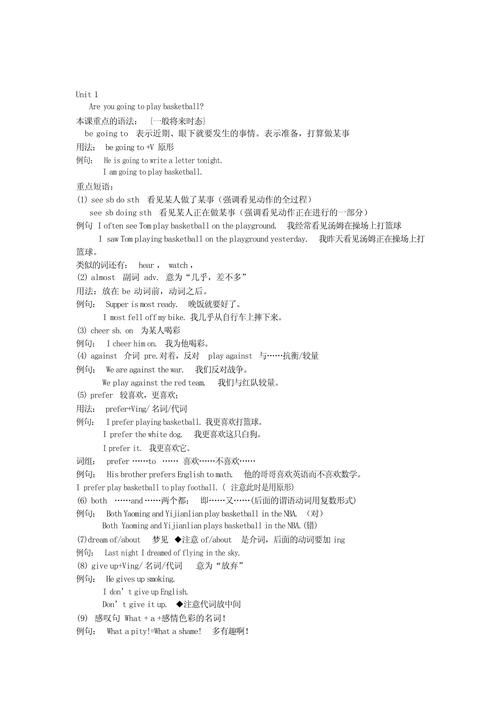
本节课的设计遵循了“从输入到输出,从控制到自由”的语言教学规律,力求让学生在轻松愉快的氛围中学习英语。
(图片来源网络,侵删)
成功之处:
- 情境创设有效: 通过歌曲和视频导入,迅速抓住了学生的注意力,激发了他们的学习兴趣。
- 活动形式多样: 从个人跟读、结对练习到小组调查,活动层次分明,覆盖了不同性格和学习风格的学生,让大部分学生都参与了进来。
- 学生主体性突出: 尤其是在小组调查和汇报环节,学生成为了课堂的主角,教师起到了引导和辅助的作用,真正做到了“以学生为中心”。
不足之处与改进方向:
- 时间分配: 在“Presentation”环节,如果学生对新词汇的掌握较慢,可能会导致后续“Production”环节时间紧张,下次可以准备一些更快的词汇游戏(如Bingo, Quick Response)来巩固词汇,为对话练习留出更充足的时间。
- 关注个体差异: 虽然设计了分层作业,但在课堂活动中,对于一些内向或基础稍弱的学生,可能需要给予更多的鼓励和更具体的指导,下次可以尝试在小组活动中给他们分配更明确的角色(如记录员、提问者),帮助他们更好地融入。
- 知识拓展: 可以在“Production”环节,自然地引入
-ing形式作主语的用法,如Collecting stamps is interesting.Taking photos is fun.,为后续语法学习做初步渗透,使知识点衔接更紧密。
这节课基本达成了预设的教学目标,在今后的教学中,我会继续优化教学设计,更加注重学生的实际获得和综合语言运用能力的培养。