人教版八年级英语知识点有哪些重点难点?
校园之窗 2026年1月2日 07:52:07 99ANYc3cd6
我们将分为八年级上册和八年级下册两部分,并附上学习建议。
人教版八年级英语核心知识点总览
八年级上册核心知识点
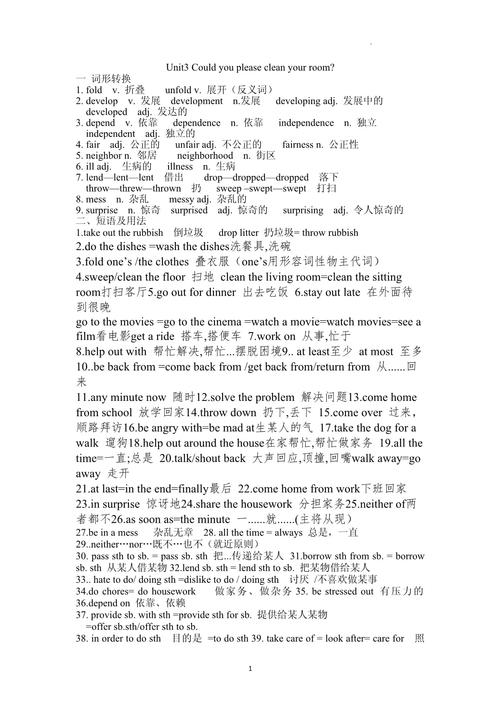
上册的重点在于一般过去时的巩固、一般将来时的多种表达、情态动词的用法以及形容词/副词的比较级和最高级。
(图片来源网络,侵删)
核心语法
-
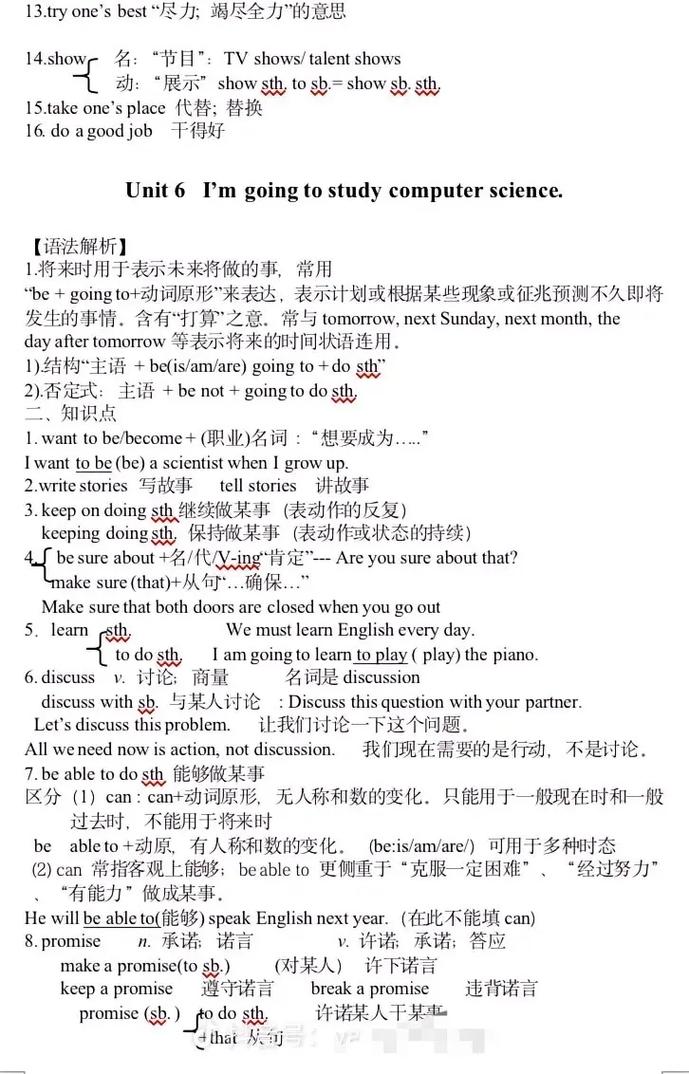
一般将来时
be going to + 动词原形:表示计划好的、有意图即将发生的动作或根据现有迹象预测未来的情况。- 结构:主语 + am/is/are + going to + 动词原形 + ...
- 例句:I'm going to study for the test tonight. (我今晚要为期末考试学习。)
will + 动词原形:表示临时的决定、承诺、意愿或预测。- 结构:主语 + will + 动词原形 + ...
- 例句:It's cold. I will close the window. (天冷了,我要关上窗户。)
-
情态动词
can/could: 能力,许可,请求。can(现在能力) /could(过去能力,更委婉的请求)- 例句:Can you swim? / Could you help me, please?
may/might: 许可(可能性较小),推测。例句:May I come in? / He might be at home.
 (图片来源网络,侵删)
must: 必须,肯定推测(语气最强)。例句:You must finish your homework. (你必须完成作业。) / He must be a doctor. (他肯定是个医生。)
should: 应该,建议。例句:You should eat more vegetables. (你应该多吃蔬菜。)
need: 需要。例句:You need to be careful. (你需要小心。)
-
形容词和副词的比较级与最高级
- 这是八年级上册的绝对重点和难点。
- 规则变化:
- 一般直接加
-er/-est(tall -> taller -> tallest) - 以-e结尾,加
-r/-st(nice -> nicer -> nicest) - 以“辅音+y”变y为i,再加
-er/-est(happy -> happier -> happiest) - 重读闭音节,双写末尾辅音,再加
-er/-est(big -> bigger -> biggest) - 多音节和部分双音节词,前加
more/most(beautiful -> more beautiful -> most beautiful)
- 一般直接加
- 不规则变化:
- good/well -> better -> best
- bad/ill -> worse -> worst
- many/much -> more -> most
- little -> less -> least
- far -> farther/further -> farthest/furthest
- 常用句型:
A + be + 比较级 + than + B(A比B...)A + be + as + 原级 + as + B(A和B一样...)A + be + not as/so + 原级 + as + B(A不如B...)the + 最高级 + (in/of...)(在...中最...)one of the + 最高级 + 复数名词(最...的之一)
核心词汇与短语
- 如何学习 (How do you study for a test?)
by working with friends(通过和朋友一起学习)by making word cards(通过制作单词卡片)by reading the textbook(通过读课本)by listening to tapes(通过听磁带)ask the teacher for help(向老师求助)read aloud(大声朗读)improve my English(提高我的英语)
- 健康生活 (What's the matter?)
- 身体部位:
head,eye,ear,nose,mouth,tooth,neck,stomach,back,arm,hand,finger,leg,foot - 疾病:
have a cold/fever/cough/headache/sore throat/stomachache - 建议:
drink hot tea with honey,lie down and rest,see a dentist,eat less junk food
- 身体部位:
- 周末活动 (What are you doing for vacation?)
- 动词短语:
go hiking/camping/fishing/skating/skiing,visit museums,babysit my sister,get back - 时间表达:
for vacation,this weekend,the whole week,on Monday morning
- 动词短语:
- 交通方式与方向 (How do you get to school?)
- 交通方式:
take the bus/subway/train,ride a bike/walk,by bus/bike/train - 方向:
north,south,east,west,across from,next to,between,on the street
- 交通方式:
- 个人兴趣 (Can you come to my party?)
- 邀请与回复:
accept(接受),refuse(拒绝),the day after tomorrow,look after - 活动:
go to the movies,have a piano lesson,study for a test
- 邀请与回复:
八年级下册核心知识点
下册的重点在于现在完成时、被动语态的初步接触、情态动词的过去式以及条件状语从句,语法难度显著提升。
核心语法
-
现在完成时
- 八年级下册最重要的语法点,是学生最容易混淆的时态之一。
- 结构:主语 +
have/has+ 动词的过去分词 + ... - 核心用法:
- 表示过去发生或已经完成的动作对现在造成的影响或结果。
- 例句:I have finished my homework. (我已经完成了作业。结果:我现在没事了。)
- 表示从过去开始,持续到现在的动作或状态。
- 例句:I have lived here for ten years. (我在这里住了十年了。状态:我至今仍住在这里。)
- 表示过去发生或已经完成的动作对现在造成的影响或结果。
- 与一般过去时的区别:
- 一般过去时:强调动作过去发生,与现在无关,常与明确的过去时间状语连用(如
yesterday,last week,in 2025)。 - 现在完成时:强调动作对现在的影响或持续至今,不能与明确的过去时间状语连用。
- 一般过去时:强调动作过去发生,与现在无关,常与明确的过去时间状语连用(如
- 常见标志词:
already,just,yet,ever,never,since(自从...),for(持续...时间)。
-
被动语态
- 结构:
be + 动词的过去分词 - 核心用法:强调动作的承受者,而非执行者。
- 时态结合:被动语态可以和各种时态结合,重点是现在时和过去时。
- 一般现在时:
is/am/are + 过去分词 - 一般过去时:
was/were + 过去分词
- 一般现在时:
- 例句:
- 主动:People grow rice in the south. (人们在中国南方种水稻。)
- 被动:Rice is grown in the south. (水稻在中国南方被种植。)
- 注意:不及物动词(如
happen,arrive,rise)没有被动语态。
- 结构:
-
情态动词的过去式
can->could(过去的能力,更委婉的请求)may->might(过去的许可,更小的可能性)must->had to(过去的必须)should->should have done(本应该做某事,但没做,表示后悔)need->needed(过去需要)- 例句:I could swim when I was five. (我五岁时会游泳。)
-
条件状语从句
- 结构:
if + 一般现在时, 主句 + will + 动词原形 - 核心用法:表示在某种条件下,可能会发生某事,主句用将来时,从句用现在时表将来。
- 例句:
- If it rains tomorrow, I will stay at home. (如果明天下雨,我就待在家里。)
- If you study hard, you will get good grades. (如果你努力学习,你就会取得好成绩。)
- 结构:
核心词汇与短语
- 帮助他人 (What should I do?)
- 问题与建议:
argue with my friend,out of style,keep out,pay for,take care of,give advice - 情感与建议:
get a part-time job,as...as possible,instead of
- 问题与建议:
- 过去的事件 (What's the matter?)
- 医疗与健康:
cut myself,hurt my back,have a nosebleed,put some medicine on it,fall down - 意外事件:
get hit by a car,be injured,be used to doing sth.(习惯于做某事)
- 医疗与健康:
- 兴趣与爱好 (What were you doing when the UFO arrived?)
- 过去进行时:
was/were + doing(用于描述过去某一时刻正在进行的动作) - 关键词:
while,when(when可以和过去进行时或一般过去时连用) - 事件:
cook dinner,study in the library,shower,get out of the shower
- 过去进行时:
- 发明与创造 (Inventions that changed the world.)
- 伟大的发明:
light bulb,telephone,car,printing press,computer - 发明家:
Edison,Bell - 动词:
invent,create,develop
- 伟大的发明:
- 音乐与艺术 (What's your favorite band?)
- 音乐类型:
pop music,classical music,jazz,folk music,rock music - 乐队与歌手:
band,singer,musician,perform - 演出:
go to a concert,sing a song,write music,take photos
- 音乐类型:
学习建议
- 语法是骨架,必须吃透:不要死记硬背规则,要理解每个时态的核心意义和用法,通过对比(如一般过去时 vs 现在完成时)来加深理解,多做不同类型的练习题,尤其是易错点。
- 词汇是血肉,重在积累与应用:不要孤立地背单词,把单词放在课文和句子中去记,结合话题进行分类记忆,尝试用新学的单词和短语造句,甚至写小短文。
- 听说读写,全面发展:
- 听:坚持听课文录音、简单的英文歌或看英文动画片,培养语感。
- 说:敢于开口,可以自言自语,或和同学、老师用简单的英语交流。
- 读:多读课文,尝试阅读一些适合自己水平的英文小故事或新闻。
- 写:坚持写英语日记,哪怕只有一两句话,从模仿课文句子开始,逐步写出完整的段落。
- 建立错题本:把平时做错的题,特别是语法题,整理到错题本上,定期回顾,分析错误原因,确保不再犯同类错误,这是最有效的提分方法之一。
- 保持兴趣:将英语学习与自己的兴趣爱好结合起来,比如喜欢音乐就多听英文歌,喜欢电影就看英文电影(可以先看双语字幕),兴趣是最好的老师。
希望这份详细的梳理能帮助你更好地掌握八年级的英语知识!加油!