英语作文如何写好博物馆主题?
作文示例 2025年12月11日 18:49:00 99ANYc3cd6
初中水平
My Favorite Place - The Museum**
Museums are wonderful places. They are like big houses full of interesting stories. My favorite place to visit is the museum because I can learn so many new things there.
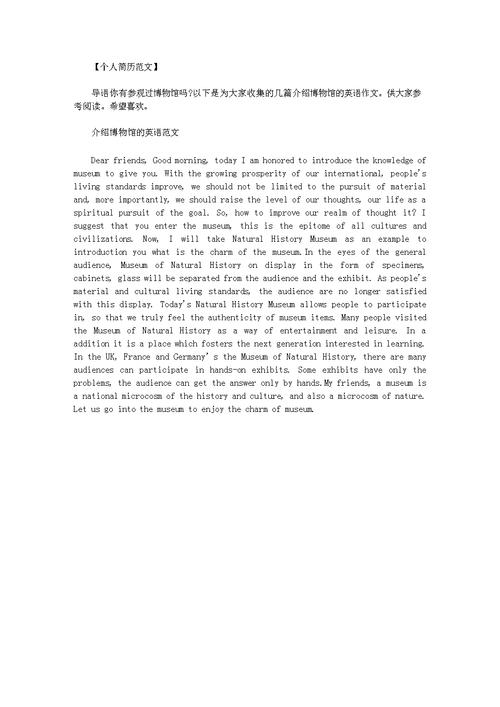
Last summer, I went to the history museum with my parents. It was a great experience. There were many old things, like old pots, clothes, and weapons. I saw a big dinosaur skeleton, and it was so cool! I felt like I had traveled back in time. There were also many old paintings on the wall. The colors were beautiful, and I tried to imagine what life was like for the people in the pictures.
Museums are not just for looking. They are for learning. I learned about how people lived a long time ago. I also learned about different animals and plants. It was much more fun than reading about it in a textbook!
I love museums because they make history and art come alive. If you have never been to a museum, I strongly suggest you visit one. You will be surprised by how much you can enjoy and learn.
高中水平
Museums: Gateways to the Past and Inspiration for the Future**
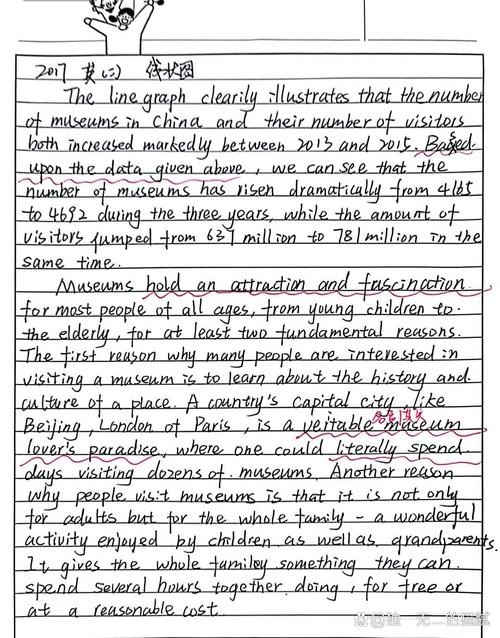
In an age dominated by digital screens and instant information, museums stand as timeless sanctuaries of human knowledge and creativity. More than just buildings filled with artifacts, they are vital institutions that serve as bridges connecting our present to the past and offering inspiration for the future.
Firstly, museums are invaluable educational resources. They provide a tangible link to history that textbooks cannot replicate. Standing before an ancient Egyptian sarcophagus or a medieval suit of armor, one can almost feel the weight of time. This physical connection makes history come alive, transforming abstract dates and facts into compelling human stories. Similarly, art museums allow us to gaze upon the masterpieces of great minds, offering a direct window into their emotions, perspectives, and the spirit of their era.
Furthermore, museums play a crucial role in cultural preservation and identity. They safeguard the heritage of civilizations, ensuring that traditions, languages, and artistic expressions are not lost to the passage of time. By showcasing diverse cultures, museums foster mutual understanding and respect, reminding us of our shared humanity despite our differences. They are spaces where we can celebrate our unique identities while appreciating the rich tapestry of global culture.
In conclusion, museums are far more than tourist attractions. They are dynamic centers of learning, cultural preservation, and inspiration. They challenge us to think critically, to appreciate beauty, and to understand our place in the world. As we move forward, it is essential to support and cherish these institutions, for they are the keepers of our collective memory and the spark for our future imagination.
大学水平
The Evolving Role of Museums in the 21st Century: From Custodians to Cultural Catalysts**
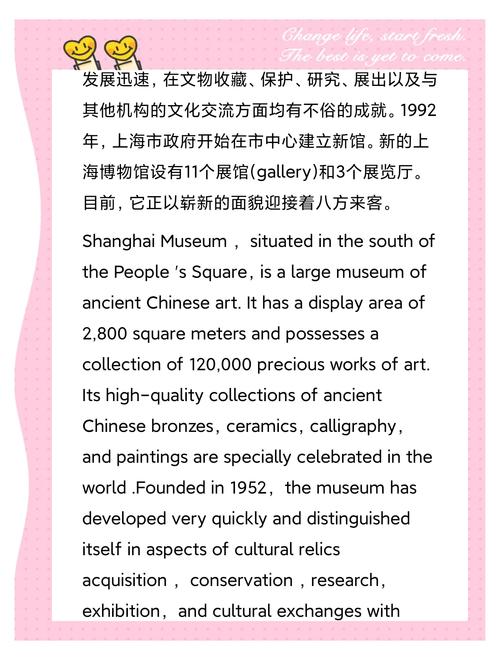
Traditionally perceived as static repositories of artifacts, museums have long been regarded as the quiet, authoritative custodians of history and culture. However, in the dynamic landscape of the 21st century, their role is undergoing a profound transformation. No longer merely passive vessels of the past, modern museums are evolving into active, interactive, and inclusive cultural catalysts that engage, challenge, and inspire contemporary society.
This evolution is most evident in the shift from a purely object-centered approach to a more human-centric and narrative-driven one. Curators now strive to tell compelling stories, contextualizing artifacts within broader social, political, and economic frameworks. Interactive exhibits, multimedia installations, and immersive experiences are replacing the traditional "do not touch" ethos, inviting visitors to become active participants in the learning process. This not only makes the content more accessible and engaging, particularly for younger generations, but also empowers visitors to form their own interpretations and connections with the material.
Moreover, the contemporary museum is breaking down its physical and conceptual walls. Through digital platforms, virtual reality tours, and online collections, museums are reaching a global audience, transcending geographical limitations. They are also fostering crucial dialogues on pressing contemporary issues such as climate change, social justice, and technological ethics by drawing parallels with historical events and artistic expressions. By doing so, they reposition themselves not as relics of a bygone era, but as relevant and vital forums for public discourse.
In essence, the modern museum is redefining its purpose. It is moving beyond the act of preservation to embrace the mission of cultural activation. By becoming more inclusive, interactive, and socially engaged, museums are ensuring their continued relevance, transforming from static institutions into living platforms that shape our understanding of the past, present, and future. They are no longer just places where history is kept; they are places where history is made, discussed, and reimagined.