英语作文如何写出春节的年味与特色?
作文示例 2025年12月11日 10:24:46 99ANYc3cd6
写一篇关于春节的英语作文,可以从不同角度入手,比如介绍春节、描述个人经历,或者探讨其文化意义,下面我为你提供三个不同层次和角度的范文,并附上核心词汇、短语和写作结构分析,希望能帮助你写出优秀的作文。
基础入门版 (适合初中或英语初学者)
这篇作文结构清晰,用词简单,主要介绍春节的基本情况和自己的感受。 My Favorite Festival: The Spring Festival**
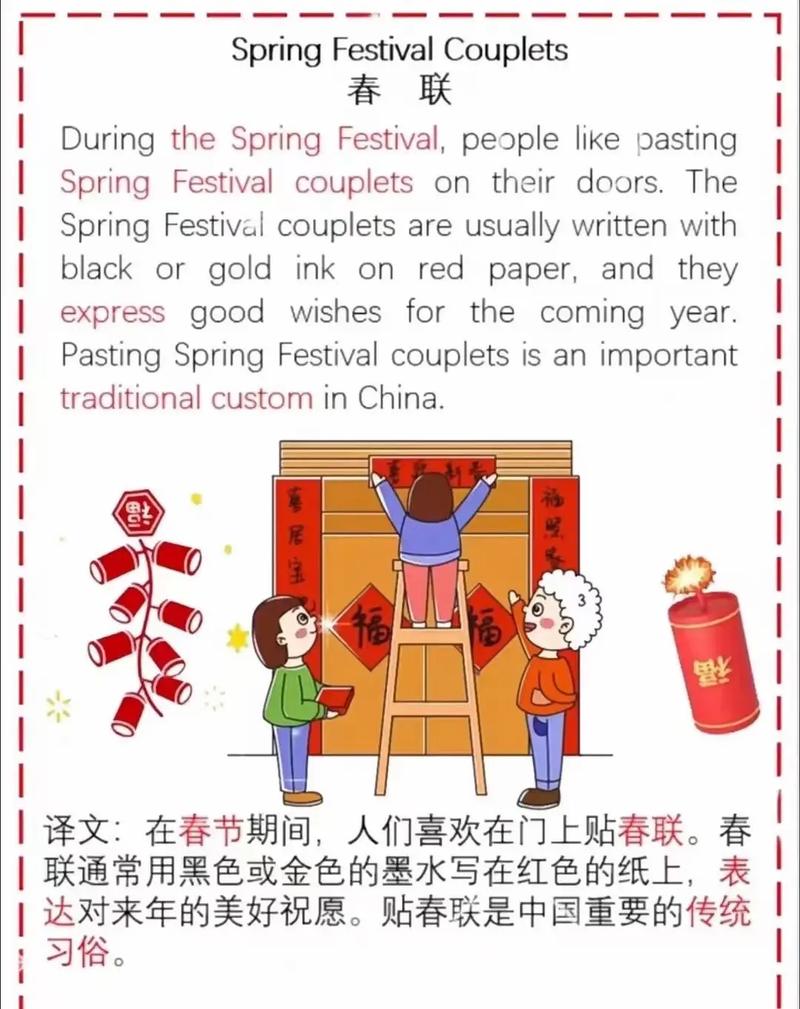
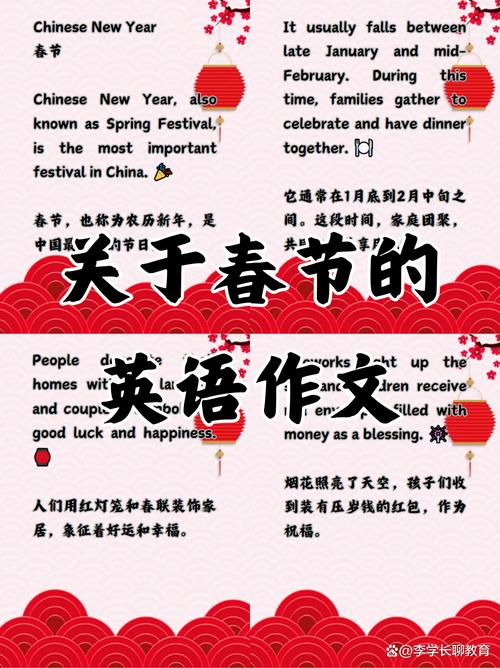
The Spring Festival, also called Chinese New Year, is my favorite festival. It is the most important traditional holiday in China. It usually comes in January or February.
Before the festival, my family and I do a lot of things to get ready. We clean our house from top to bottom to sweep away bad luck. We also buy new clothes and decorate our doors with red couplets. Red is a lucky color in China.
On New Year's Eve, our family gets together for a big dinner. We eat delicious food like dumplings and fish. After dinner, we watch the Spring Festival Gala on TV. At midnight, we set off fireworks to welcome the new year.
During the festival, I visit my relatives and friends. We say "Happy New Year" to each other and give red envelopes, called "hongbao", to children. I always feel very happy during the Spring Festival because I can spend time with my family and enjoy the happy atmosphere.
I love the Spring Festival. It is a time for family, happiness, and new beginnings.
进阶提高版 (适合高中生或英语水平较好者)
更丰富,加入了更多文化细节和个人感受,语言表达更地道。 The Color of Joy: Celebrating the Spring Festival**
The Spring Festival, or Chinese New Year, stands as the most cherished and vibrant of all traditional Chinese holidays. More than just a date on the calendar, it is a profound cultural symbol that heralds new beginnings and the triumph of light over darkness. For me, it is a symphony of sights, sounds, and flavors that fills the heart with warmth and joy.
The festive preparations begin weeks in advance. The act of "sweeping the dust" (扫尘) is not merely a chore but a ritualistic cleansing of the old year's misfortunes, making way for good fortune. Streets and homes are adorned with a sea of red—festive lanterns glow, and poetic couplets (春联) are pasted on doorways, each character a wish for prosperity and happiness. The air buzzes with anticipation as families stock up on snacks and new clothes, all to be worn on the most important night of the year.
New Year's Eve, or "Chuxi" (除夕), is the heart of the celebration. The climax is the reunion dinner (年夜饭), a lavish feast where family members, often traveling great distances, gather around the table. The menu is rich with symbolism: dumplings resemble ancient gold ingots, symbolizing wealth, while the whole fish served whole represents a surplus in the coming year. After the meal, families tune in to the annual Spring Festival Gala, a national television tradition, before the sky erupts in a spectacular display of fireworks at midnight, a dazzling farewell to the old year and a brilliant welcome to the new.
The days that follow are a whirlwind of social calls. Donning my new attire, I embark on visits to relatives and friends, exchanging auspicious greetings like "Gong Xi Fa Cai" (恭喜发财), wishing them prosperity. The most exciting moment for any child is receiving the iconic red envelope, or "hongbao" (红包), a monetary gift tucked inside a red envelope that is believed to bring good luck and ward off evil spirits.
In essence, the Spring Festival is a beautiful tapestry woven from threads of tradition, family bonds, and hope. It is a time to honor our roots, cherish our loved ones, and look forward to the future with renewed optimism. It is, without a doubt, the most wonderful time of the year.
文化探讨版 (适合大学生或深度写作)
这篇作文不仅描述了春节,还深入探讨了其文化内涵、现代变迁及其在全球的影响力。 The Enduring Spirit of the Spring Festival: A Cultural Tapestry**
As the chill of winter begins to recede, a wave of crimson and gold sweeps across China, marking the arrival of the Spring Festival, or Nian. Far more than a mere holiday, the Spring Festival is the very soul of Chinese culture, a deeply ingrained tradition that has endured for millennia, constantly evolving yet retaining its core essence of reunion, renewal, and reverence.
The festival's origins are steeped in ancient mythology, most notably the tale of the beast "Nian," who was frightened away by the color red, loud noises, and bright lights. This ancient story lays the foundation for many modern customs: the ubiquitous use of red as a color of good fortune, the deafening roar of firecrackers, and the brilliant glow of lanterns. These are not merely decorations, but powerful symbols meant to ward off evil spirits and ensure a prosperous year ahead. The meticulous preparation—from cleaning the home to settling debts—serves as a practical and spiritual cleansing, a symbolic reset before embarking on the new cycle of life.
At its core, the Spring Festival is a celebration of family, a powerful antidote to the fragmentation of modern life. The Chunyun, or Spring Festival travel rush, is the world's largest annual human migration, as millions of people journey home to be with their families. This immense logistical undertaking underscores the unparalleled importance of the reunion dinner (Nianyefan), where generations gather to share stories, honor ancestors, and reaffirm familial bonds. The act of giving red envelopes (Hongbao) has also evolved, with digital versions sent via apps becoming increasingly common, blending ancient tradition with the convenience of the digital age.
In the contemporary era, the Spring Festival has transcended national borders, becoming a global cultural phenomenon. Major cities from London to Sydney host parades and light shows, offering a window into this rich tradition for the world. For the global Chinese diaspora, it is a vital link to their heritage, a time to connect with their roots and share their culture with their adopted communities.
In conclusion, the Spring Festival is a dynamic and living tradition. It masterfully balances ancient customs with modern life, reinforcing values of family, hope, and cultural identity. As it continues to adapt and spread globally, it stands as a powerful testament to the enduring strength of Chinese culture and its universal appeal.
核心词汇与短语
名词:
- Spring Festival / Chinese New Year: 春节
- Reunion Dinner: 年夜饭
- Red Envelope / Hongbao: 红包
- Fireworks / Firecrackers: 烟花/爆竹
- Lantern: 灯笼
- Couplets: 对联 / 春联
- Symbolism: 象征意义
- Tradition / Custom: 传统/习俗
- Prosperity / Wealth: 富裕/财富
- Good Fortune / Luck: 好运
- Ancestor: 祖先
- Diaspora: 海外侨民
动词:
- Celebrate: 庆祝
- Gather / Reunite: 聚集/团圆
- Decorate: 装饰
- Set off fireworks: 放烟花
- Give / Receive red envelopes: 发/收红包
- Wish someone: 祝福某人
- Honor: 尊敬
- Sweep away bad luck: 扫除晦气
形容词:
- Traditional / Festive: 传统的/节日的
- Vibrant / Colorful: 充满活力的/多彩的
- Joyful / Joyous: 快乐的
- Auspicious / Lucky: 吉祥的/幸运的
- Lavish / Grand: 丰盛的/盛大的
- Iconic: 标志性的
短语:
- A time for family and reunion: 家庭和团圆的时刻
- Look forward to: 期待
- Sweep the dust: 扫尘
- Gong Xi Fa Cai: 恭喜发财 (常用祝福语)
- Symbolize / Represent: 象征/代表
- The Spring Festival travel rush (Chunyun): 春运
作文结构建议
一篇好的作文通常遵循 "总-分-总" 的结构。
-
开头段:
- 引入主题: 直接点明你要写的节日是春节。
- 给出总体评价: 用一句话概括春节的重要性或你的个人感受。"The Spring Festival is the most important and cherished traditional holiday in China." 或 "To me, the Spring Festival is a magical time filled with joy and family warmth."
-
主体段落:
- 分点论述: 这是文章的核心,可以分成2-3段来写不同方面。
- 第一段 (节前准备): 描述人们如何为春节做准备,如大扫除、贴春联、买年货等。
- 第二段 (除夕之夜): 详细描写除夕的庆祝活动,如年夜饭、看春晚、放鞭炮等,可以加入一些食物的象征意义。
- 第三段 (节日期间): 描述春节期间的活动,如拜年、走亲访友、收发红包等。
- (可选) 第四段 (文化内涵或现代变化): 探讨春节更深层次的意义,如家庭观念、文化传承,或者它在现代社会中的变化(如电子红包)。
-
结尾段:
- 总结全文: 再次强调春节的核心价值和你的感受。
- 升华主题: 可以展望未来,或表达对春节这个文化符号的敬意。"In conclusion, the Spring Festival is more than just a festival; it is a celebration of life, family, and hope for a bright future." 或 "It is a beautiful tradition that connects us to our past and guides us into the future."
希望这些范文和资料能对你有所帮助!祝你写作顺利!