英语作文学习方法有哪些高效技巧?
作文示例 2026年1月5日 04:56:17 99ANYc3cd6
基础版 (适合初中生或英语初学者)
My Way of Learning English**
Learning English is very important for us. But sometimes, it can be difficult. Here are some simple ways that help me learn English well.
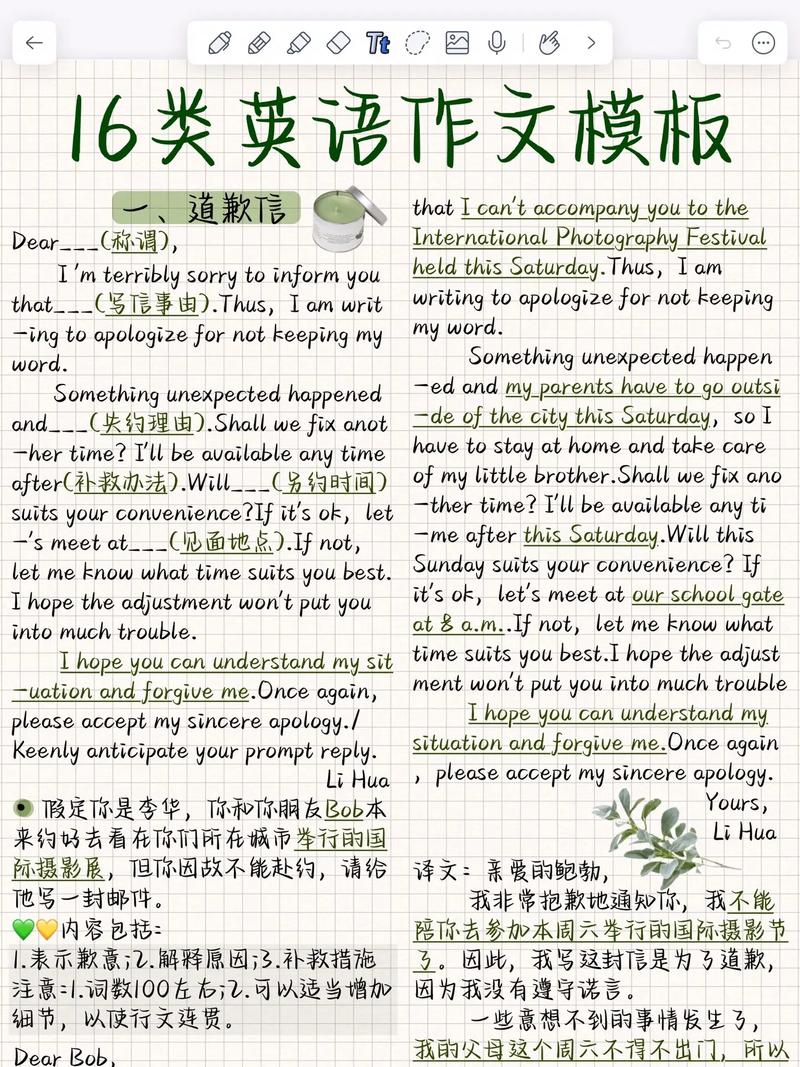
First, I think reading is very helpful. I like to read English storybooks and my English textbook. Reading can help me learn new words and understand sentence structures. When I see a new word, I will look it up in the dictionary and write it down in my notebook.
Second, listening is also important. I often listen to English songs and watch cartoons in English. This helps me get used to the English pronunciation and rhythm. It's fun and I can learn a lot at the same time.
Finally, I am not afraid of making mistakes. I always try to speak English with my classmates in class. When I make a mistake, my teacher or my friends will help me. Practice makes perfect.
In conclusion, if we read more, listen more, and speak more bravely, we can learn English well. Let's work hard together!
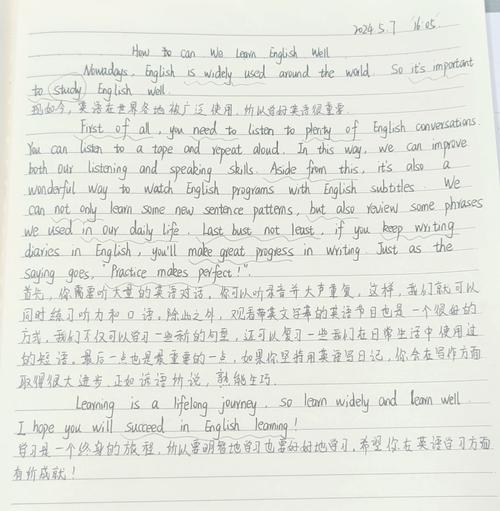
标准版 (适合高中生或中级英语学习者)
Effective Learning Strategies for Success**
In today's fast-paced world, mastering effective learning strategies is crucial not only for academic success but also for lifelong personal development. The key to learning is not just hard work, but smart work. In my opinion, several core principles can significantly enhance our learning efficiency.
Firstly, active engagement is far more effective than passive reception. Instead of simply memorizing facts, we should ask questions, connect new knowledge with what we already know, and try to explain concepts in our own words. This process, known as elaboration, deepens our understanding and creates stronger memory connections.
Secondly, spaced repetition is a scientifically proven method to combat forgetting. Instead of cramming all information into one long session, we should review material at increasing intervals. For example, reviewing a lesson one day after learning it, then three days later, and then a week later, helps move knowledge from our short-term memory to long-term memory more effectively.
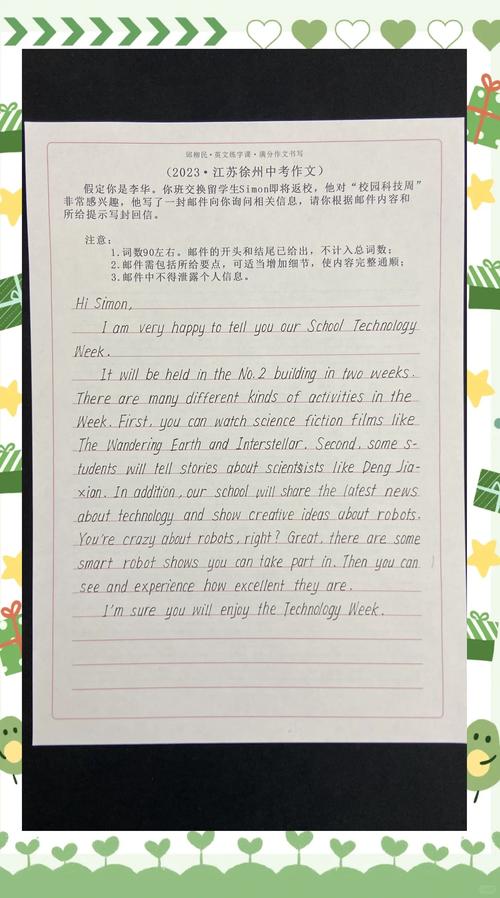
Finally, applying knowledge is the ultimate test of true learning. We can achieve this by doing practice problems, participating in discussions, or even teaching others. When we use what we have learned, we not only reinforce it but also discover gaps in our understanding, which we can then focus on filling.
In conclusion, effective learning is a skill that can be cultivated. By combining active engagement, spaced repetition, and practical application, we can transform the way we learn and achieve better, more lasting results.
进阶版 (适合大学生或高级英语学习者)
Cultivating a Holistic Approach to Learning: Beyond Memorization**
The pursuit of knowledge is a fundamental human endeavor, yet the methodologies we employ can vastly influence the efficacy and depth of our learning. Moving beyond rote memorization to cultivate a holistic learning approach is essential for developing genuine expertise and fostering intellectual agility. This approach is built upon a foundation of three interconnected pillars: critical inquiry, metacognitive awareness, and interdisciplinary integration.
The first pillar, critical inquiry, demands that we transition from passive recipients of information to active interrogators of it. This involves not only understanding "what" is being taught but rigorously questioning "why" and "how." By analyzing, evaluating, and synthesizing information from multiple sources, we construct a robust and nuanced understanding of a subject, rather than a fragile collection of disjointed facts.
Secondly, metacognitive awareness, or "thinking about thinking," is the cornerstone of self-directed learning. It requires learners to plan their study strategies, monitor their comprehension in real-time, and reflect on the outcomes. Are my current methods effective? Where are my weaknesses? By constantly assessing and adjusting our approach, we become architects of our own intellectual growth, tailoring our learning process to our individual strengths and weaknesses.
Finally, the third pillar, interdisciplinary integration, recognizes that knowledge is not an isolated set of silos. True innovation and profound understanding often emerge at the intersection of different fields. By connecting concepts from science, art, history, and technology, we create a richer, more contextualized mental framework. This not only enhances creativity but also equips us to solve the complex, multifaceted problems of the modern world.
In essence, a holistic learning methodology transforms education from a mere transaction of information into a transformative journey of intellectual empowerment. It equips us not just to succeed in examinations, but to become adaptable, critical, and lifelong learners.
核心词汇与句型
核心词汇:
- 学习方法: Learning methods / Strategies / Approaches
- 有效的: Effective / Efficient
- 成功的: Successful
- 关键: The key / The crucial factor / The cornerstone
- 努力工作: Hard work
- 聪明地工作: Smart work
- 积极参与: Active engagement / participation
- 被动接受: Passive reception
- 记忆: Memorization / Rote learning
- 理解: Understanding / Comprehension
- 建立联系: Make connections / Build associations
- 间隔重复: Spaced repetition
- 对抗遗忘: Combat forgetting
- 死记硬背: Cramming 应用知识: Apply knowledge / Put into practice
- 练习: Practice / Drills
- 讨论: Discussion / Debate
- 终身学习: Lifelong learning
- 批判性思维: Critical thinking / Critical inquiry
- 元认知: Metacognition
- 跨学科: Interdisciplinary
- 综合: Synthesis / Integration
实用句型:
-
引出话题:
- Learning English is very important for us. (学习英语对我们来说非常重要。)
- Mastering effective learning strategies is crucial for success. (掌握有效的学习策略对成功至关重要。)
- The pursuit of knowledge is a fundamental human endeavor. (对知识的追求是一项基本的人类活动。)
-
提出观点:
- In my opinion, reading is the most effective way to learn new words. (在我看来,阅读是学习新词最有效的方法。)
- The key to learning is not just hard work, but smart work. (学习的关键不仅是努力工作,更是聪明地工作。)
- This approach is built upon a foundation of three interconnected pillars. (这种方法建立在三个相互关联的支柱之上。)
-
举例说明:
- For example, we can review a lesson one day after learning it, and then three days later. (我们可以在学习一天后复习,然后在三天后再复习。)
- We can achieve this by doing practice problems or participating in discussions. (我们可以通过做练习题或参与讨论来做到这一点。)
-
- In conclusion, if we read more, listen more, and speak more, we can learn English well. (如果我们多读、多听、多说,就能学好英语。)
- In conclusion, effective learning is a skill that can be cultivated. (有效学习是一种可以培养的技能。)
- In essence, a holistic learning methodology transforms education into a transformative journey. (本质上,全面的学习方法将教育转变为一段变革性的旅程。)
希望这些版本和资源对你有帮助!