
英语作文如何写出stress的深度与共鸣?
作文示例 2025年12月14日 21:10:24 99ANYc3cd6
高中/大学通用版 (标准版)
这个版本结构清晰,用词准确,适合大多数英语考试或课程作业。 Understanding and Managing Stress in Modern Life**
In today's fast-paced and highly competitive society, stress has become an almost unavoidable part of our daily lives. Like a shadow that follows us, it affects people from all walks of life, from students struggling with exams to professionals facing heavy workloads. While a certain amount of stress can be a motivating force, excessive stress can have detrimental effects on our physical and mental well-being. Therefore, it is crucial for us to understand its root causes and learn effective ways to manage it.
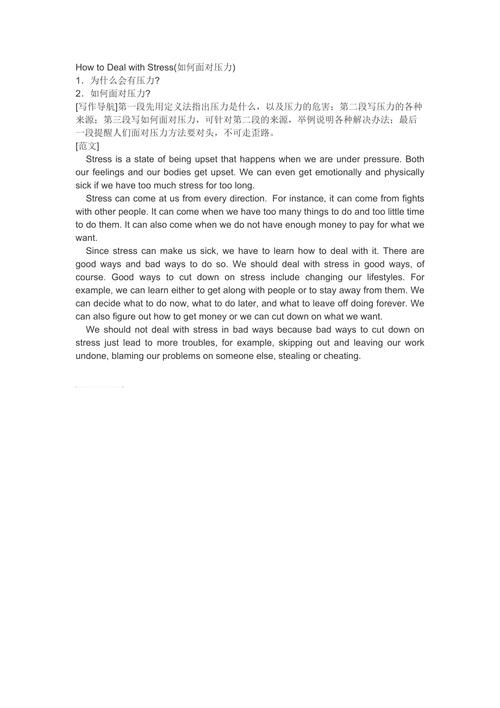
The sources of stress are manifold. For students, primary stressors often include the pressure to excel academically, the fear of an uncertain future, and the challenges of balancing studies with a social life. For adults, the sources are typically related to work, such as tight deadlines, demanding bosses, and the struggle to achieve a work-life balance. Furthermore, personal issues like financial problems, relationship conflicts, or health concerns can also be significant contributors to stress.
When stress is not properly managed, it can manifest in various negative ways. Physically, it may lead to symptoms like headaches, insomnia, and a weakened immune system, making us more susceptible to illness. Mentally and emotionally, it can cause anxiety, irritability, and a persistent feeling of being overwhelmed. In severe cases, chronic stress can even lead to more serious psychological conditions such as depression.
However, stress is not an insurmountable enemy. There are numerous effective strategies to cope with it. Firstly, maintaining a healthy lifestyle is fundamental. Regular exercise, a balanced diet, and sufficient sleep can significantly build our resilience to stress. Secondly, developing a positive mindset is key. Practices like mindfulness, meditation, or simply taking a few deep breaths can help calm our minds and reframe negative thoughts. Finally, do not hesitate to seek support. Talking to friends, family, or a professional counselor can provide a much-needed outlet and valuable perspective.
In conclusion, while stress is an inevitable part of modern existence, it does not have to control our lives. By recognizing its causes, understanding its effects, and adopting healthy coping mechanisms, we can transform this pressure into a driving force for growth and lead a more balanced and fulfilling life.
进阶版 (更深刻的分析和更丰富的词汇)
这个版本使用了更高级的词汇和更复杂的句式,适合英语水平较高、需要展示深度的场合。 The Double-Edged Sword: Navigating the Complexities of Stress**
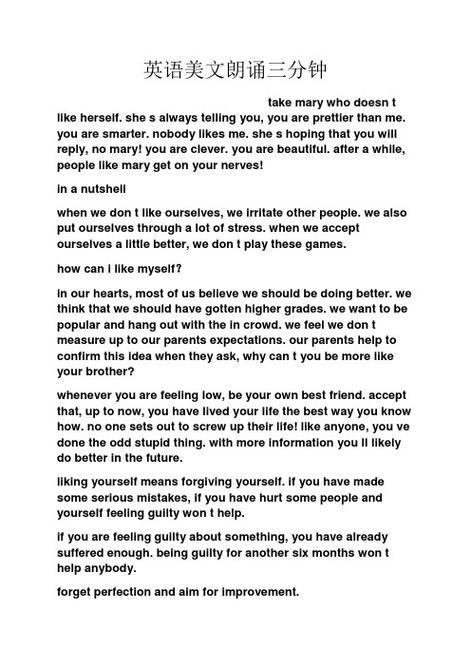
Stress, often described as the "silent epidemic" of the 21st century, is a multifaceted phenomenon that permeates every stratum of contemporary society. It is an intrinsic response to perceived challenges or threats, a physiological and psychological alarm system designed to protect us. However, in our hyper-connected and achievement-oriented culture, this once-protective mechanism has frequently become a chronic adversary, undermining our health, productivity, and overall quality of life. Thus, a sophisticated understanding of stress is not merely beneficial but essential for navigating modern existence.
The etiology of stress is deeply rooted in the intricate interplay between external demands and our internal perception of our ability to cope. For students, the pressure is often self-imposed, stemming from a relentless pursuit of perfection and the fear of falling short of societal or familial expectations. In the professional arena, the relentless pace of technological change, the gig economy's precarity, and the blurring boundaries between work and personal life create a fertile ground for occupational burnout. Beyond these common sources, existential anxieties about the future, social isolation in an ostensibly connected world, and personal tragedies can also precipitate profound states of distress.
The consequences of unchecked stress are far-reaching and insidious. On a somatic level, it can trigger a cascade of health problems, from hypertension and cardiovascular disease to a compromised immune system. On a psychological front, it erodes our cognitive functions, impairing concentration, decision-making, and creativity. Emotionally, it fosters a sense of helplessness, cynicism, and emotional exhaustion, which are hallmarks of burnout. In its most extreme form, chronic stress can pave the way for clinical depression and anxiety disorders, casting a long shadow over an individual's life.

Effectively managing stress requires a holistic and proactive approach. It begins with cultivating self-awareness: identifying personal stressors and recognizing the early warning signs. This awareness must be coupled with the development of robust coping strategies. Physical exertion, be it yoga, running, or any form of physical activity, serves as a powerful antidote by releasing endorphins and reducing cortisol levels. Equally important is the cultivation of mindfulness and cognitive reframing—techniques that allow us to observe our thoughts without judgment and challenge irrational, anxiety-provoking beliefs. Furthermore, building a strong social support network is paramount, as human connection provides a buffer against life's pressures and fosters a sense of belonging.
Ultimately, the goal is not to eliminate stress entirely, but to foster resilience and learn to coexist with it in a healthy manner. By viewing stress not as a foe to be vanquished, but as a signal to be heeded, we can harness its energy for positive change. In doing so, we can mitigate its harmful effects and channel its power into motivation, innovation, and personal growth, thereby transforming a potential liability into a valuable asset in our life's journey.
简洁版 (适合快速表达或口语)
这个版本简明扼要,直击要点,适合在需要快速表达的场合使用。 How to Handle Stress**
Stress is a common problem for many people today. It comes from many places, like school, work, and personal problems. A little stress can be good, pushing us to do better. But too much stress is bad for our health.
When we are too stressed, we can feel tired, worried, and angry. It can also make us sick. We might have trouble sleeping or get headaches. So, it's very important to learn how to deal with stress.
There are a few simple ways to manage stress. First, exercise is a great way to relax. Even a short walk can help clear your mind. Second, talking to someone you trust, like a friend or family member, can make you feel better. Don't keep your feelings bottled up. Third, make sure to get enough sleep and eat healthy food. A strong body can handle stress better.
Finally, try to stay positive. Think about the good things in your life. It's okay to take a break and do something you enjoy. Remember, stress is a part of life, but we can learn to control it, not let it control us.
核心词汇与短语
Nouns (名词):
- Stress / Pressure: 压力
- Anxiety: 焦虑
- Challenge: 挑战
- Burden / Load: 负担
- Coping mechanism / Strategy: 应对机制/策略
- Resilience: 韧性,恢复力
- Burnout: 职业倦怠
- Mental well-being / Health: 心理健康
- Physiological / Somatic response: 生理/身体反应
Verbs (动词):
- Cope with / Deal with / Handle: 应对,处理
- Manage / Alleviate / Mitigate: 管理,减轻,缓解
- Overcome: 克服
- Trigger / Cause / Lead to: 引发,导致
- Build / Foster / Develop: 建立,培养,发展
- Release (e.g., endorphins): 释放(如内啡肽)
- Reframe (thoughts): 重塑(思想)
Adjectives (形容词):
- Stressful / Pressured: 有压力的
- Chronic / Acute: 慢性的/急性的
- Deleterious / Detrimental: 有害的
- Beneficial / Positive: 有益的
- Overwhelming: 压倒性的
- Inevitable: 不可避免的
Useful Phrases (实用短语):
- A double-edged sword: 一把双刃剑
- An integral part of life: 生活中不可或缺的一部分
- A byproduct of modern society: 现代社会的副产品
- From all walks of life: 来自各行各业
- Undermine one's health / well-being: 损害某人的健康/幸福
- Build resilience against stress: 建立对压力的韧性
- Take a toll on someone: 对某人造成负面影响
- Channel stress into motivation: 将压力转化为动力
- Seek support from others: 向他人寻求支持
希望这些资料对您有帮助!您可以根据自己的需要选择合适的版本进行修改和使用。