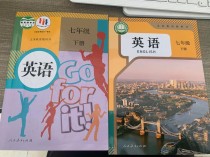
七年级下英语人教版重点难点有哪些?
校园之窗 2026年1月31日 02:13:21 99ANYc3cd6
教材整体结构
七年级下册英语共包含 12个单元,通常前6个单元(Unit 1-6)是核心学习内容,后6个单元(Unit 7-12)是拓展和巩固内容,每个单元围绕一个贴近学生生活的主题展开,并融入了核心的语法知识点。
各单元核心内容详解
Unit 1: Can you play the guitar?
- 单元主题: 能力与爱好
- 核心词汇:
- 动词:
join,sing,swim,dance,draw,play chess,speak English - 名词:
club,story,school show,game,weekend - 其他:
tell,write,show,or,talk,kung fu
- 动词:
- 重点句型:
- — Can you swim? — Yes, I can. / No, I can't.
- — What can you do? — I can dance.
- I want to join the art club.
- Let's join the music club.
- 核心语法:
- 情态动词
can的用法- 构成:
can + 动词原形 - 用法: 表示能力(会做某事)或请求许可(可以做某事)。
- 否定形式:
can't/cannot + 动词原形 - 疑问句及回答: — Can + 主语 + 动词原形...? — Yes, 主语 + can. / No, 主语 + can't.
- 构成:
- 情态动词
Unit 2: What time do you go to school?
- 单元主题: 日常作息与时间
- 核心词汇:
- 时间词:
time,hour,minute,early,late - 动词短语:
go to school,get up,run,eat breakfast,take a walk,go home,do homework,go to bed - 其他:
o'clock,a.m.,p.m.,usually,life
- 时间词:
- 重点句型:
- — What time do you usually get up? — I usually get up at six thirty.
- — When do you go to work? — I go to work at seven o'clock.
- It's time for breakfast. / It's time to have breakfast.
- 核心语法:
- what time 和 when 引导的特殊疑问句
What time询问具体的时间点 (几点)。When询问泛指的时间 (什么时候)。
- 一般现在时 (Simple Present Tense) - 时间表/习惯
- 结构: 主语 + 动词原形 + ... (主语是第三人称单数时,动词+s/es)
- 用法: 描述日常习惯、事实或时间表。
- what time 和 when 引导的特殊疑问句
Unit 3: How do you get to school?
- 单元主题: 交通方式与出行
- 核心词汇:
- 交通方式:
take the bus/subway/train/boat/plane,ride a bike/walk,by bus/subway/train/boat/plane/bike/walk - 动词:
live,stop,think,cross,river,village,between,bridge - 其他:
far,kilometer,minute,new,stop
- 交通方式:
- 重点句型:
- — How do you get to school? — I ride my bike / take the bus / walk.
- — How does he get to school? — He takes the subway.
- It takes about 25 minutes to walk to school.
- The river is too big for boats.
- 核心语法:
- how 引导的特殊疑问句 (询问方式、距离、时间等)
How+ do/does + 主语 + 动词原形...?
- 介词短语表示交通方式
by + 交通工具(泛指,无冠词)take a/the + 交通工具(特指)ride a + 骑的交通工具
- It takes (sb.) some time to do sth. (做某事花费某人多长时间)
- how 引导的特殊疑问句 (询问方式、距离、时间等)
Unit 4: Don't eat in class.
- 单元主题: 规则与建议
- 核心词汇:
- 规则:
rule,classroom,hallway,dining hall,fight,listen,arrive,late,outside,wear,uniform - 动词:
eat,listen to,fight,wear,arrive,be,go out,run,drinks,clean - 其他:
hallway,outside,wear,uniform,important,bring,quiet
- 规则:
- 重点句型:
- — Can we eat in the classroom? — No, we can't. / We can't eat in the classroom.
- — Don't run in the hallways. — Sorry.
- You must be on time for class.
- We have to wear school uniforms.
- 核心语法:
- 祈使句
- 肯定:
动词原形 + 其他.(e.g.,Be quiet.) - 否定:
Don't + 动词原形 + 其他.(e.g.,Don't be late.)
- 肯定:
- 情态动词
must和 `have tomust: 表示“必须,一定要”,主观要求。have to: 表示“必须,不得不”,客观要求。- 否定形式:
mustn't(禁止),don't/doesn't have to(不必)
- 祈使句
Unit 5: Why do you like pandas?
- 单元主题: 动物与喜好
- 核心词汇:
- 动物:
panda,tiger,elephant,koala,lion,giraffe,animal,zoo,kind,smart,cute,beautiful,scary,lazy,friendly - 地点:
Africa,China,Australia,South Africa - 其他:
pet,legs,water,grass,sleep,during,day,at night,leaf,meat
- 动物:
- 重点句型:
- — Why do you like pandas? — Because they're cute.
- — Where are they from? — They're from China.
- What animals do you like?
- Koalas sleep during the day and get up at night.
- 核心语法:
- Why 和 Because 引导的句子
Why提问原因,回答用Because...
- Where 引导的特殊疑问句 (询问来自哪里)
Where + be + 主语 + from?
- 形容词 的用法,用来描述动物的特征。
- Why 和 Because 引导的句子
Unit 6: I'm watching TV.
- 单元主题: 正在进行的动作
- 核心词汇:
- 动词:
watch,clean,read,make,soup,wash,go,do,exercise,use,eat,drink - 现在分词:
watching,cleaning,reading,making,washing,going,doing,exercising,using,eating,drinking - 其他:
newspaper,soup,young,child,children,miss,wish,happy
- 动词:
- 重点句型:
- — What are you doing? — I'm watching TV.
- — Is he reading a newspaper? — Yes, he is. / No, he isn't.
- They aren't eating or drinking.
- Thanks for asking about my family.
- 核心语法:
- 现在进行时
- 结构:
am/is/are + 动词ing - 用法: 表示说话瞬间正在进行的动作或现阶段正在发生的事。
- 时间状语:
now,at the moment,look!,listen!,It's ... o'clock now.
- 结构:
- 现在进行时
后半册单元概览 (Unit 7-12)
- Unit 7: It's raining. (谈论天气,学习现在进行时描述正在发生的天气现象)
- Unit 8: Is there a post office near here? (谈论地点方位,学习
there be句型) - Unit 9: What does he look like? (描述人的外貌,学习
look like和描述身高、体型、发型等的词汇) - Unit 10: I'd like some noodles. (谈论食物,学习点餐用语和
would like的用法) - Unit 11: How was your school trip? (谈论过去的经历,学习一般过去时的规则动词)
- Unit 12: What did you do last weekend? (继续学习一般过去时,重点学习不规则动词)
学习建议
- 词汇是基础: 每天坚持背诵和默写单元核心词汇,做到“四会”(听、说、读、写)。
- 语法是骨架: 理解每个单元的核心语法点,并通过造句、练习题来巩固,特别注意不同时态(一般现在时、现在进行时、一般过去时)的区别和用法。
- 语境中学: 不要孤立地背单词和学语法,要把它们放到课文和对话中去理解,体会实际应用场景。
- 听说读写结合: 多听课文录音,模仿语音语调;尝试用所学句型进行简单的对话;多读课文和课外读物;练习用英语写日记或小短文。
- 错题整理: 准备一个错题本,记录练习和考试中出现的错误,定期复习,避免再犯。
希望这份详细的总结对您有帮助!祝您学习进步!
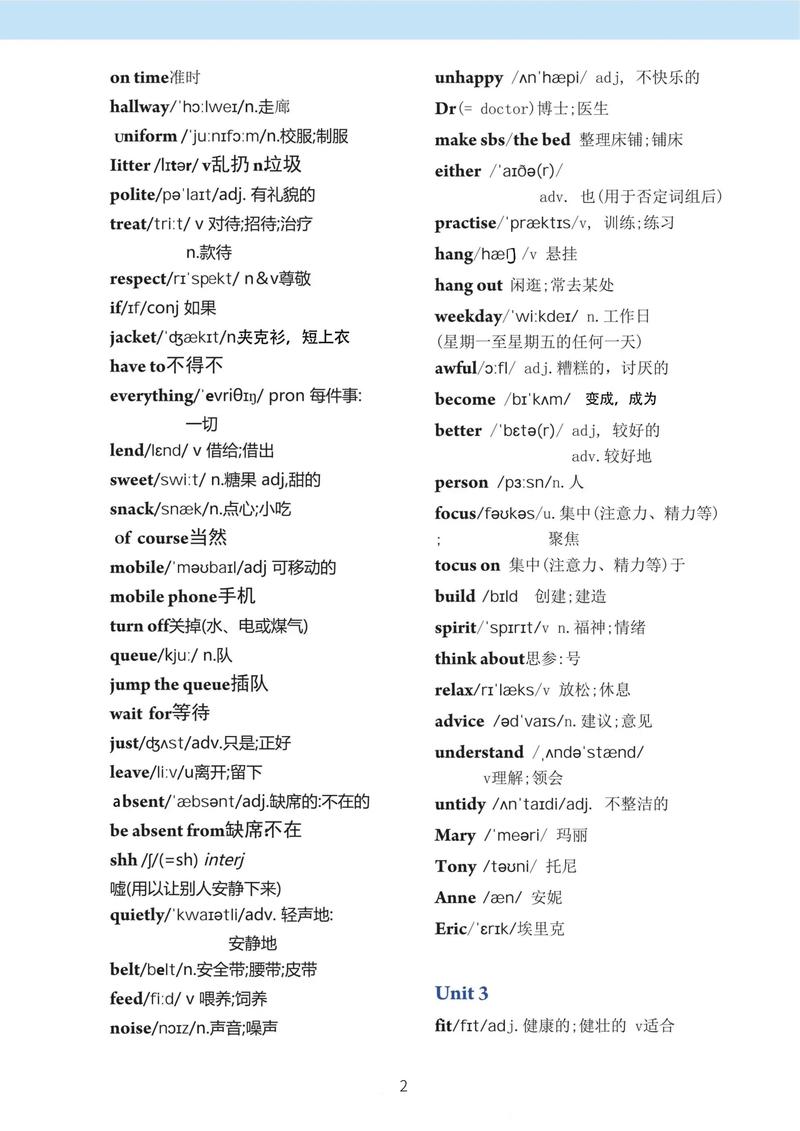
(图片来源网络,侵删)
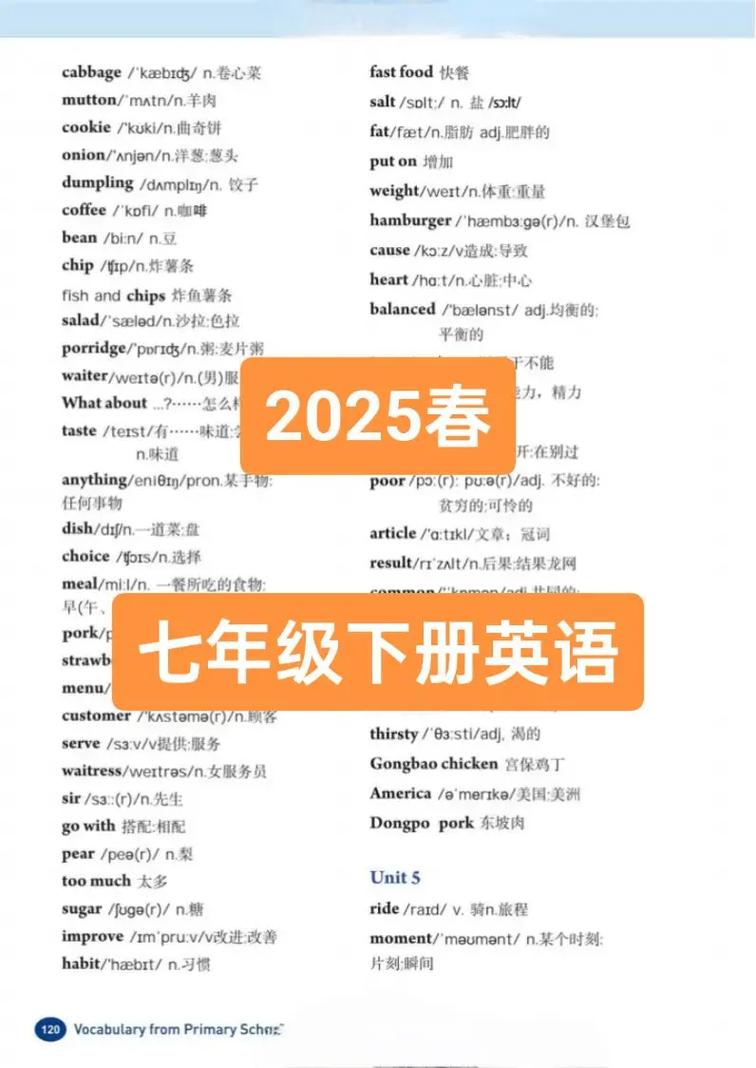
(图片来源网络,侵删)