八年级上册英语总复习重点难点有哪些?
校园之窗 2026年1月29日 19:44:31 99ANYc3cd6
八年级上册英语总复习全攻略
第一部分:核心词汇与短语
词汇是基础,必须牢固掌握,以下为各单元重点词汇和短语,请务必会读、会拼、会用。
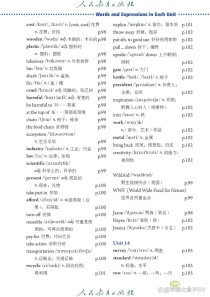
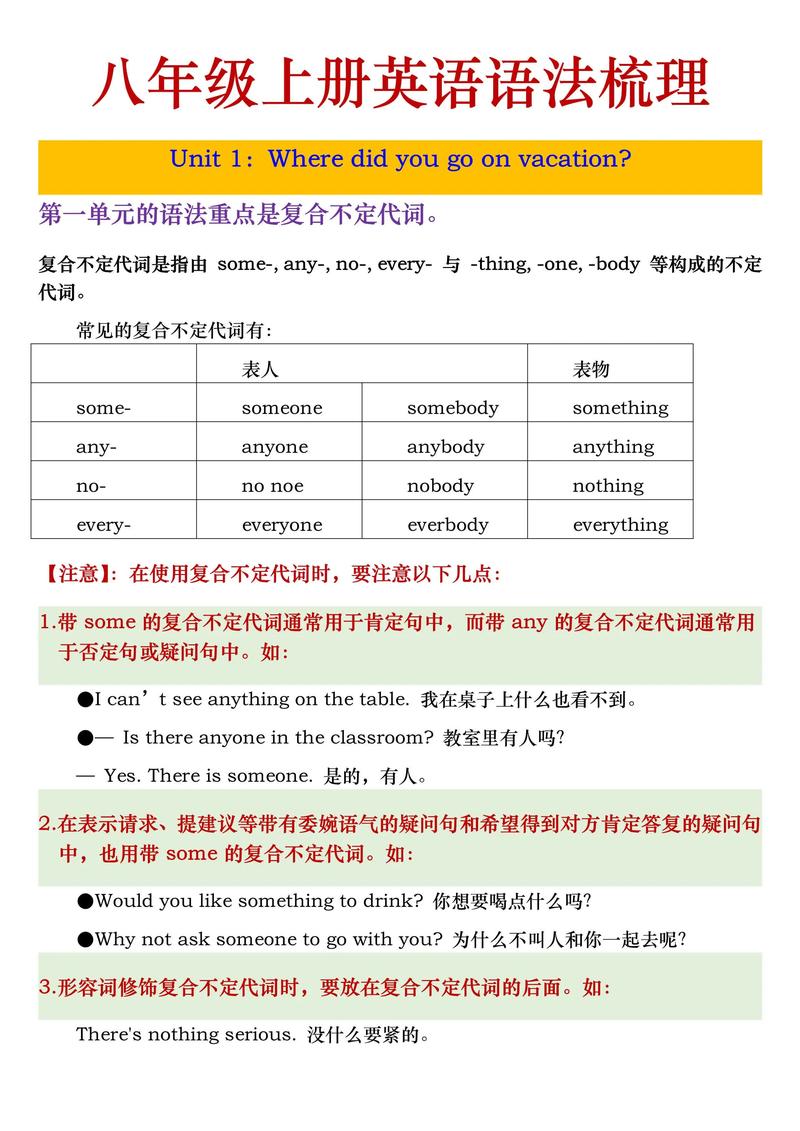
Unit 1: Where did you go on vacation?
(图片来源网络,侵删)
- 重点名词: vacation, beach, pool, museum, zoo, visitor, country, student, driver, guide, paint, gallery
- 重点动词: decide, try, paraglide, feel, wonder, walk, learn, consider, forget, remember
- 重点形容词: wonderful, delicious, expensive, cheap, crowded, terrible, boring, interested, exciting
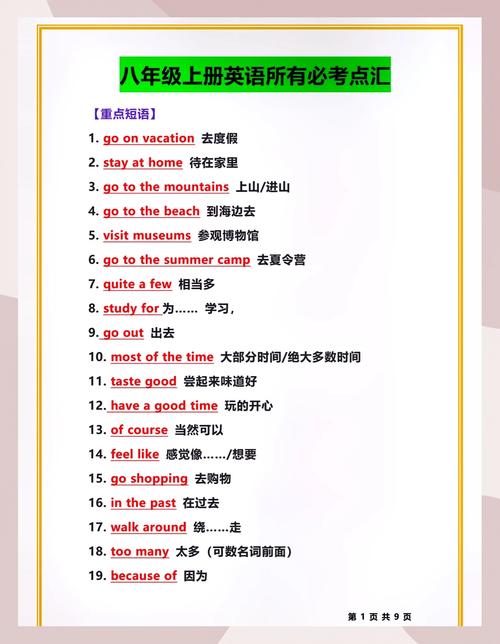
- 重点短语: go on vacation, stay at home, quite a few, most of, of course, because of, one of, have a great time, feel like, take photos
Unit 2: How often do you exercise?
- 重点名词: homework, housework, sleep, junk food, coffee, health, habit, program, mind, body
- 重点动词: exercise, use, shop, watch, read, go online, swing, dance
- 重点副词: always, usually, often, sometimes, hardly ever, never
- 重点短语: go shopping, watch TV, go to the movies, use the Internet, go to bed, go to sleep, look after, be good for, be good at, junk food, a healthy lifestyle, the same as, different from
Unit 3: I'm more outgoing than my sister.
- 重点形容词: outgoing, better, louder, quieter, funnier, more hard-working, more serious, smarter, athletic, talented, competitive, creative
- 重点副词: as...as, than
- 重点短语: more than, less than, the same as, be different from, make friends, care about, bring out, the singing competition
Unit 4: What's the best movie theater?
- 重点名词: theater, cinema, comfortable, seat, screen, service, ticket, fresh, meal, town
- 重点形容词: best, worst, cheapest, most popular, friendliest, most comfortable, cleanest, boring, popular, important
- 重点短语: think of, in town, close to, so far, dress up, take seriously, do a good job, all kinds of, have...in common
Unit 5: Do you want to watch a game show?
(图片来源网络,侵删)
- 重点名词: news, soap opera, situation comedy, sit-com, education, plan, culture, famous, example, reason
- 重点动词: stand, hope, expect, agree, prefer, follow, happen, expect to do sth.
- 重点短语: game show, talk show, soap opera, sit-com, look for, find out, game show, learn from, happen to, want to do, hope to do, expect to do
Unit 6: I'm watching TV.
- 重点动词: study, wash, make, go, play, do, talk, have, use, sit
- 重点短语: do homework, watch TV, clean the room, read a newspaper, make soup, talk on the phone, listen to, use the computer, make soup, go to the movies, wait for, join sb.
Unit 7: It's raining!
- 重点名词: weather, sun, cloud, rain, wind, snow, story, library, supermarket, market
- 重点形容词: hot, cool, warm, cold, terrible, beautiful, sunny, cloudy, rainy, windy, snowy
- 重点短语: take a message, call back, have a great time, not bad, pretty good, a little, at the library, in the supermarket, a photo of my family
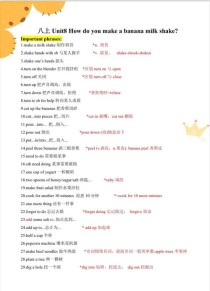
Unit 8: How do you make a banana milk shake?
- 重点名词: milk shake, yogurt, watermelon, spoon, salt, sugar, bread, butter, turkey, lettuce, sandwich, turkey, tradition, festival
- 重点动词: peel, cut up, pour, put, mix, turn on, make, celebrate, prepare, share
- 重点短语: turn on, cut up, pour into, mix up, a slice of bread, a piece of turkey, a bowl of noodles, make a banana milk shake, be full of, on special holidays, give thanks, have a big meal, make a wish
Unit 9: Can you come to my party?
(图片来源网络,侵删)
- 重点名词: party, invitation, exam, calendar, training, match, the day after tomorrow, the day before yesterday, weekday, weekend
- 重点动词: prepare for, accept, refuse, visit, another, whole
- 重点短语: prepare for, look after, go to the doctor, the day after tomorrow, the day before yesterday, have to, another time, the whole morning, next week, this Saturday
Unit 10: If you go to the party, you'll have a great time.
- 重点动词: travel, go, take, study, organize, let, have, make, become
- 重点短语: have a great time, take the bus, let...in, make money, be famous, travel around the world, get an education, have a good time, ask...for, worry about, make new friends
第二部分:核心语法要点
八年级上册的语法是重点和难点,必须彻底理解。
一般过去时
- 用法: 表示过去某个时间发生的动作或存在的状态。
- 标志词:
yesterday, last week/month/year, in 2025, three days ago, just now, this morning(如果说话时已是下午或晚上) - 动词变化:
- 规则动词: 直接加-ed (work-worked)。
- 以e结尾: 加-d (live-lived)。
- 以辅音+y结尾: 变y为i再加-ed (study-studied)。
- 重读闭音节结尾: 双写辅音字母再加-ed (stop-stopped)。
- 否定句:
didn't + 动词原形。 - 疑问句:
Did + 主语 + 动词原形...?
频率副词
- 排序:
always (100%)>usually (90%)>often (70%)>sometimes (50%)>hardly ever (10%)>never (0%) - 位置: 放在实义动词前,be动词、助动词、情态动词后。
I always get up at 6.(实义动词前)He is never late.(be动词后)Do you often go shopping?(助动词后)
形容词和副词的比较级与最高级
- 规则变化:
- 一般直接加-er/est:
tall -> taller -> tallest - 以e结尾加-r/st:
nice -> nicer -> nicest - 辅音+y结尾,变y为i再加-er/est:
happy -> happier -> happiest - 重读闭音节,双写辅音字母再加-er/est:
big -> bigger -> biggest - 多音节词,加more/most:
beautiful -> more beautiful -> most beautiful
- 一般直接加-er/est:
- 常用句型:
- 比较级:
A + be + 比较级 + than B(A比B更...)This book is more interesting than that one. - 最高级:
A + be + the + 最高级 + in/of...(A是最...的)He is the tallest student in our class. as...as(和...一样):He is as tall as his father.
- 比较级:
现在进行时
- 用法: 表示说话时正在进行的动作或当前一段时间内的活动。
- 结构:
am/is/are + 动词ing - 动词ing形式构成:
- 一般直接加ing:
do-doing - 不发音e结尾,去e加ing:
write-writing - 重读闭音节,双写辅音字母加ing:
run-running, swim-swimming
- 一般直接加ing:
- 标志词:
now, right now, at the moment, look, listen
情态动词 can 的用法
- 表示能力:
I can swim.(我会游泳。) - 表示请求或许可:
Can you help me?(你能帮我吗?)Yes, you can./No, you can't.
be going to 结构
- 用法: 表示计划、打算要做某事,或根据现有迹象将要发生某事。
- 结构:
am/is/are + going to + 动词原形 - 标志词:
tomorrow, next week, this afternoon, soon, tonight - 例句:
I am going to watch a movie tonight.
Let's... 和 Why not...? 提建议
- Let's... = Let us... (让我们...吧):
Let's go to the park.(我们去公园吧。) - Why not...? (为什么不...呢?):
Why not play basketball?(为什么不打篮球呢?)
情态动词 should
- 用法: 提出建议或劝告,意为“应该”。
- 结构:
should + 动词原形 - 例句:
You should eat more vegetables.(你应该多吃蔬菜。)
if 引导的条件状语从句
- 结构:
If you do..., you will...(如果你做...,你就会...) - 特点: 主句用将来时,
if从句用一般现在时表示将来。 - 例句:
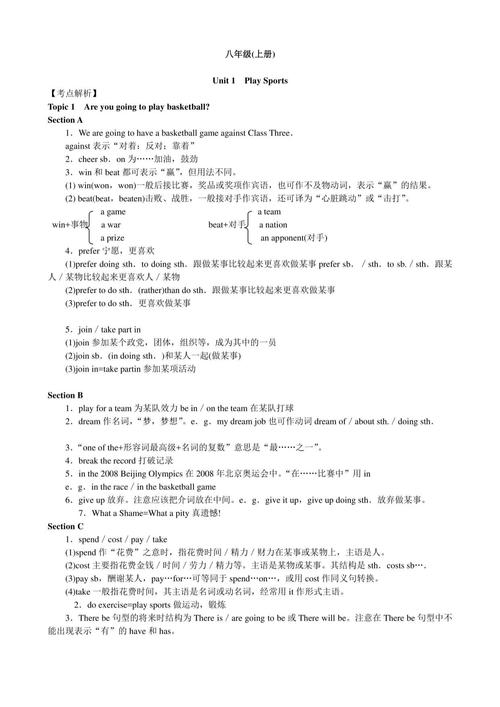
If you go to the party, you will have a great time.(如果你去参加派对,你会玩得很开心。)
第三部分:重点句型与交际用语
- 谈论假期:
Where did you go on vacation?I went to the mountains.Did you go anywhere interesting? - 谈论频率:
How often do you exercise?I exercise every day.What do you usually do on weekends? - 比较人物:
Who is more outgoing, you or your sister?I'm a little taller than her. - 评价事物:
What's the best movie theater in town?Sun Cinema is the best. - 谈论喜好:
What do you think of sitcoms?I love them.I can't stand them. - 描述正在发生的事:
What are you doing?I'm watching TV. - 谈论天气:
How's the weather in Beijing?It's sunny and hot. - 询问做法:
How do you make a banana milk shake?First, peel the bananas. - 发出邀请:
Can you come to my party?Sure, I'd love to.Sorry, I can't. I have to study. - 提出建议:
If you are tired, you should have a rest.Why not go for a walk?
第四部分:写作技巧
记叙文
- 主题: 记录一次难忘的经历,如一次旅行、一次活动。
- 结构:
- 开头: 交代时间、地点、人物和事件。(
Last summer, I went to... with my family.) - 中间: 按时间顺序描述事情的经过,多用一般过去时,写你看到了什么,做了什么,有什么感受。(
First, we visited... It was amazing. Then, we ate... It was delicious.) - 总结这次经历的感受和收获。(
I had a wonderful time and I learned a lot.)
- 开头: 交代时间、地点、人物和事件。(
- 时态: 主要使用一般过去时。
说明文/议论文
- 主题: 描述一个地方、一件物品或表达观点,如描述你的家乡、你最喜欢的电影,或讨论“是否应该使用手机”。
- 结构:
- 开头: 点明主题。(
My hometown is a beautiful city./I think students should use mobile phones.) - 中间: 使用比较级和最高级来描述特点,或使用
First, Second, Finally等连接词来列举理由。(It's bigger than my old town. The park is the most beautiful place./First, phones are useful for study. Second, they can help us communicate.) - 总结观点或给出建议。(
In a word, I love my hometown./However, we shouldn't use them too much.)
- 开头: 点明主题。(
- 时态: 主要使用一般现在时。
第五部分:复习建议
- 回归课本: 重新朗读课文,重点掌握课本中的对话和文章,它们是最好的语料库。
- 整理笔记: 将以上语法要点和句型整理到自己的笔记本上,方便随时翻阅。
- 专项练习: 针对自己的薄弱环节(如比较级、时态)进行专项练习。
- 模拟测试: 找一些综合卷或模拟题,在规定时间内完成,检验复习效果。
- 错题本: 准备一个错题本,记录所有做错的题目,并分析错误原因,考前重点看错题本。
保持积极的心态,相信自己! 祝你复习顺利,在考试中取得优异成绩!加油!