新目标八年级上册听力如何有效提升?
校园之窗 2026年1月15日 14:23:03 99ANYc3cd6
下面我将为你详细解析八年级上册听力的、常见题型、训练方法以及资源推荐,希望能帮助你系统地提升听力水平。
核心听力内容(按单元主题划分)
八年级上册的听力内容紧密围绕每个单元的话题展开,主题非常贴近学生的日常生活。
(图片来源网络,侵删)
| 单元主题 | 核心听力内容与关键词/句型 |
|---|---|
| Unit 1: Where did you go on vacation? (假期活动) | 过去时态 是核心。 • vacation, beach, museum, visit, went, bought, saw, was, were, had, great, wonderful, boring, terrible. • 核心句型: Where did you go on vacation? I went to... How was the beach? It was great. Did you go to the museum? Yes, I did. / No, I didn't. |
| Unit 2: How often do you exercise? (日常活动与频率) | 频率副词 是核心。 • exercise, skateboarding, homework, TV, shop, always, usually, often, sometimes, hardly ever, never. • 核心句型: What do you usually do on weekends? I sometimes go shopping. How often does he watch TV? He watches TV once a week. |
| Unit 3: I'm more outgoing than my sister. (人物比较) | 形容词/副词的比较级和最高级 是核心。 • outgoing, quiet, hard-working, funny, athletic, tall, short, heavy, thin, good/well, bad/badly, far. • 核心句型: Is Tom more outgoing than Sam? Yes, he is. / No, he isn't. She is taller than me. Who is the best student in your class? |
| Unit 4: What's the best movie theater? (地点评价与选择) | 形容词/副词的最高级 是核心。 • movie theater, cinema, comfortable, seats, best, worst, cheapest, closest, popular, service, town. • 核心句型: What's the best movie theater? Town Cinema is the best. It has the most comfortable seats. Which is the worst clothes store? It's Blue Moon. |
| Unit 5: Do you want to watch a game show? (电视节目与喜好) | 谈论喜好与意愿。 • sitcom, comedy, news, soap opera, game show, documentary, stand-up, want to, hope to, expect to, love, like, don't mind, can't stand. • 核心句型: What do you want to watch tonight? I want to watch a game show. Do you like sitcoms? Yes, I do. I love them. / No, I don't. I can't stand them. |
| Unit 6: I'm watching TV. (现在进行时) | 现在进行时 表示说话时正在进行的动作。 • newspaper, soup, wash, movie, pool, shop, use, kid. • 核心句型: What are you doing? I'm watching TV. Is he doing his homework? Yes, he is. Are they cleaning? No, they aren't. They're making soup. |
| Unit 7: It's raining! (天气描述与活动) | 天气词汇 和 现在进行时。 • raining, snowing, windy, cloudy, sunny, hot, cold, humid, weather, study, take a message, soup, family. • 核心句型: How's the weather in Beijing? It's sunny. What's he doing? He's playing basketball with his friends. |
| Unit 8: How do you make a banana milk shake? (制作过程) | 祈使句 和 连接词。 • banana, milk shake, yogurt, honey, watermelon, spoon, blender, peel, cut, pour, turn on, finally, first, next, then. • 核心句型: How do you make it? First, peel the bananas. Next, put the bananas and yogurt into the blender. Then, pour the milk in. Finally, turn on the blender. |
| Unit 9: Can you come to my party? (发出邀请与回应) | 情态动词 can 和 时间表达。 • party, invitation, prepare for, exam, the day after tomorrow, tomorrow, tonight, this weekend, next week, have to, must, too much, another time. • 核心句型: Can you come to my party on Saturday? Sure, I'd love to. / Sorry, I can't. I have to study for a test. I'm sorry, I'm going to the movies with my friends. |
| Unit 10: If you go to the party, you'll have a great time. (条件句) | if引导的条件状语从句。 • if, go to the party, have a great time, let's, take a bus, half the class, the teacher, be angry, make, video, stay at home, watch a video. • 核心句型: If you do, you'll be late. If we have a party for him, everyone will be happy. If you take the bus, you'll be late. |
常见听力题型
八年级的听力题型通常由易到难,主要包括以下几种:
-
短对话理解
- 形式: 听一段简短对话,然后根据内容选择正确的图片、回答一个选择题。
- 考察点: 快速捕捉关键信息(如时间、地点、人物、活动、喜好)。
-
长对话理解
- 形式: 听一段较长的对话(通常2-3人),对话后有2-3个问题。
- 考察点: 理解对话的主旨大意,捕捉细节信息,理解说话者的意图和态度。
-
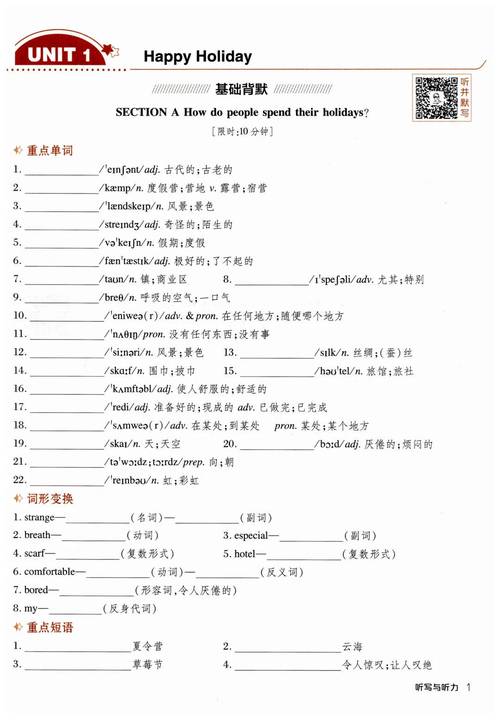
短文理解
 (图片来源网络,侵删)
- 形式: 听一篇短文,短文后有3-4个选择题。
- 考察点: 对整篇短文的理解能力,包括主旨、细节、逻辑关系等。
-
信息匹配/填空
- 形式: 听一段独白或对话,根据内容将信息与图片匹配,或者填写表格/空缺中的单词。
- 考察点: 快速记录和转述信息的能力,对数字、日期、姓名等细节的敏感度。
-
听写/填空
- 形式: 听一段话,要求学生填入所缺的关键单词或短语。
- 考察点: 单词拼写、语法结构(如时态、单复数)和听写准确性。
高效听力训练方法
仅仅完成课本上的听力任务是远远不够的,你需要更主动、更系统地进行训练。
-
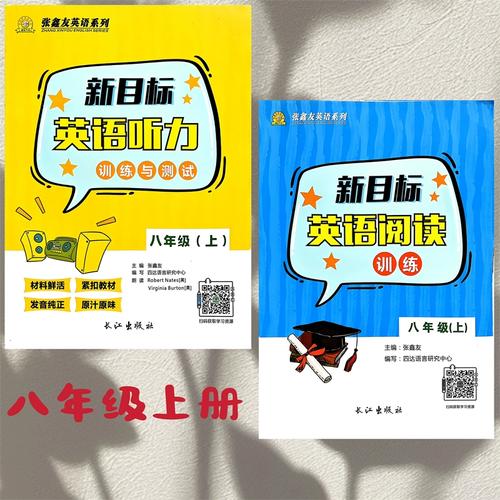
精听 vs. 泛听相结合
 (图片来源网络,侵删)
- 精听: 选择与课本难度相当或稍高的材料(如课文录音、练习题),第一遍盲听,做题;第二遍看着原文再听,找出没听懂的地方;第三遍跟读模仿语音语调。这是提升听力的核心方法。
- 泛听: 利用碎片时间听一些简单的英语材料,如英文歌、动画片(如《小猪佩奇》)、英语新闻慢速版等,目的是创造语言环境,培养语感。
-
“听前预测,听中抓词,听后总结”三步法
- 听前预测: 拿到题目后,快速浏览问题和选项,猜测对话或文章可能涉及的内容,带着问题去听。
- 听中抓词: 重点关注(如时间、地点、转折词
but,however、核心动词、形容词),不要纠结于个别听不懂的单词,继续往下听。 - 听后总结: 听完后,快速回顾一下内容,确保自己理解了主旨,如果是精听,一定要对照原文,分析错误原因。
-
跟读模仿,培养语感
选择一段标准的录音(如课文朗读),反复听,然后模仿它的语音、语调和节奏,这不仅能让你更熟悉地道的发音,还能加深对句子结构的理解。
-
扩大词汇量,扫清听力障碍
听力的基础是词汇,确保课本上的“四会”(听、说、读、写)单词都掌握了,特别是那些与每个单元主题相关的核心词汇。
听力资源推荐
-
核心资源(必做!)
- 课本配套录音: 这是最重要、最贴合考试的资源,确保每一篇听力材料都听懂、吃透。
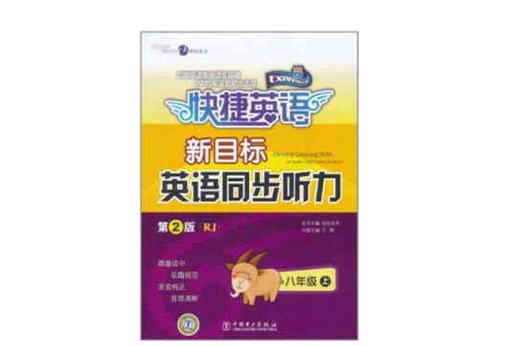
- 同步练习册听力: 如《同步听力训练》、《点拨训练》等,这些材料通常配有音频,是很好的补充练习。
-
在线资源
- 喜马拉雅/网易云课堂: 搜索“新目标八年级上册听力”、“人教版八年级英语听力”,可以找到很多免费的音频资源。
- 学习强国APP: 在“教育”板块下有丰富的英语学习资源,包括听力。
- YouTube: 搜索 "Go for it! Grade 8 listening",可以找到官方或老师上传的课本听力。
-
APP资源
- 每日英语听力: 功能强大,资源丰富,可以变速播放、单句循环、查看原文,非常适合精听。
- 可可英语: 分类清晰,有专门的初中英语板块,包含同步教材的听力材料。
提升八年级上册听力没有捷径,关键在于坚持和方法,以课本为核心,结合精听和泛听,养成良好的听力习惯,你的听力水平一定会稳步提升,祝你学习进步!