九年级九单元英语单词有哪些?
校园之窗 2026年1月14日 21:54:33 99ANYc3cd6
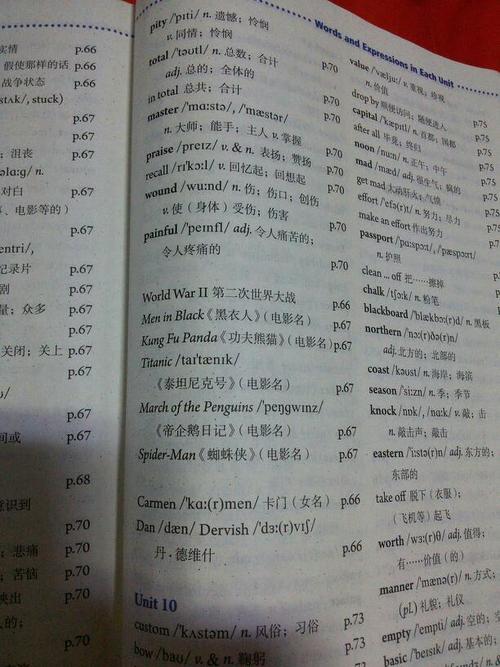
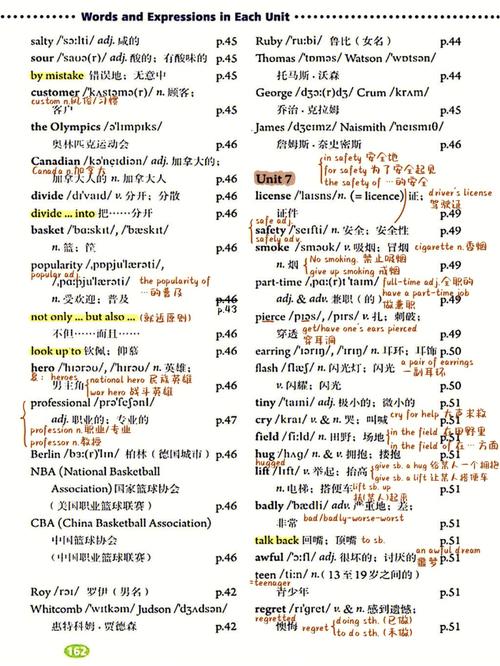
下面我将为你整理人教版九年级英语第九单元的核心单词,并按照单词、音标、词性、中文意思、例句的格式进行详细说明,方便你学习和记忆。
九年级英语第九单元核心单词 (人教版 Go for it!)
本单元主题通常是 "I like music that I can dance to." (我喜欢能跟着跳舞的音乐),但很多版本的九年级下册或不同教材会将“发明与创造”作为第九单元,这里我将提供两个常见主题的词汇。
发明与创造
这个主题通常出现在九年级下册,重点词汇围绕发明、发明家、科学过程和材料。
核心名词
-
invention /ɪnˈvenʃn/
- 中文意思: n. 发明,创造;发明物
- 例句: The telephone is a great invention. (电话是一项伟大的发明。)
-
inventor /ɪnˈventə(r)/
- 中文意思: n. 发明家
- 例句: Thomas Edison was a famous American inventor. (托马斯·爱迪生是一位著名的美国发明家。)
-
science /ˈsaɪəns/
 (图片来源网络,侵删)
- 中文意思: n. 科学;学科
- 例句: She is very interested in science. (她对科学非常感兴趣。)
-
scientist /ˈsaɪəntɪst/
- 中文意思: n. 科学家
- 例句: Marie Curie was a brilliant scientist. (玛丽·居里是一位杰出的科学家。)
-
process /ˈprəʊses/
- 中文意思: n. 过程;工序;v. 加工;处理
- 例句: The process of making cheese is complex. (制作奶酪的过程很复杂。)
-
light /laɪt/
- 中文意思: n. 光;灯 adj. 轻的;明亮的 v. 点燃;照亮
- 例句: Please turn on the light. (请打开灯。)
-
bulb /bʌlb/
 (图片来源网络,侵删)
- 中文意思: n. 灯泡;球茎;鳞茎
- 例句: This bulb is burnt out. (这个灯泡烧坏了。)
-
battery /ˈbætri/
- 中文意思: n. 电池;一组
- 例句: My phone needs a new battery. (我的手机需要一块新电池。)
-
wheel /wiːl/
- 中文意思: n. 车轮;轮子
- 例句: The wheel was one of the most important inventions in history. (车轮是历史上最重要的发明之一。)
-
scoop /skuːp/
- 中文意思: n. 铲子;勺子;一勺的量 v. 用铲子舀;抢先报道
- 例句: He used a scoop to move the snow. (他用铲子铲雪。)
核心动词
-
invent /ɪnˈvent/
- 中文意思: v. 发明;创造;捏造
- 例句: Who invented the telephone? (是谁发明了电话?)
-
create /kriˈeɪt/
- 中文意思: v. 创造;创作;造成
- 例句: We should try to create a better world for our children. (我们应该努力为孩子们创造一个更美好的世界。)
-
improve /ɪmˈpruːv/
- 中文意思: v. 改进;提高
- 例句: You need to improve your pronunciation. (你需要提高你的发音。)
-
produce /prəˈdjuːs/
- 中文意思: v. 生产;制造;产生;上演 n. 产品
- 例句: This factory produces cars. (这家工厂生产汽车。)
-
solve /sɒlv/
- 中文意思: v. 解决;解答
- 例句: We need to solve this problem as soon as possible. (我们需要尽快解决这个问题。)
核心形容词和副词
-
creative /kriˈeɪtɪv/
- 中文意思: adj. 有创造力的;创造性的
- 例句: She is a very creative designer. (她是一位非常有创造力的设计师。)
-
useful /ˈjuːsfl/
- 中文意思: adj. 有用的;有益的
- 例句: This is a very useful tool. (这是一个非常有用的工具。)
-
unhappy /ʌnˈhæpi/
- 中文意思: adj. 不高兴的;不满的
- 例句: He looked unhappy yesterday. (他昨天看起来很不高兴。)
-
sudden /ˈsʌdn/
- 中文意思: adj. 突然的;意外的
- 例句: There was a sudden change in the weather. (天气突然发生了变化。)
核心短语
-
by accident /baɪ ˈæksɪdənt/
- 中文意思: 偶然地;意外地
- 例句: Penicillin was discovered by accident. (青霉素是偶然被发现的。)
-
be up to /bi: ʌp tu:/
- 中文意思: 忙于;从事于;取决于
- 例句: What are you up to these days? (你最近在忙些什么?)
-
without doubt /wɪˈðaʊt daʊt/
- 中文意思: 毫无疑问地
- 例句: Without doubt, he is the best player in the team. (毫无疑问,他是队里最棒的球员。)
-
change one's mind /tʃeɪndʒ wʌn maɪnd/
- 中文意思: 改变主意
- 例句: I've changed my mind. I won't go to the party. (我改变主意了,我不去参加派对了。)
音乐与喜好
如果您的教材是九年级上册,第九单元主题通常是关于音乐的偏好。
核心名词
-
lyrics /ˈlɪrɪks/
- 中文意思: n. 歌词 (通常用复数)
- 例句: I like the lyrics of this song because they are meaningful. (我喜欢这首歌的歌词,因为它们很有意义。)
-
melody /ˈmelədi/
- 中文意思: n. 旋律;曲调
- 例句: The melody of this song is very beautiful. (这首歌的旋律非常优美。)
-
gentle /ˈdʒentl/
- 中文意思: adj. 温柔的;轻柔的;和缓的
- 例句: She has a gentle voice. (她的声音很温柔。)
-
prefer /prɪˈfɜː(r)/
- 中文意思: v. 更喜欢;宁愿
- 例句: I prefer tea to coffee. (比起咖啡,我更喜欢茶。)
-
suppose /səˈpəʊz/
- 中文意思: v. 猜想;假定;认为
- 例句: I suppose you are right. (我想你是对的。)
-
director /dəˈrektə(r)/
- 中文意思: n. 导演;主管;负责人
- 例句: He is a famous film director. (他是一位著名的电影导演。)
-
documentary /ˌdɒkjəˈmentri/
- 中文意思: n. 纪录片 adj. 纪录的;文件的
- 例句: I enjoy watching documentaries about animals. (我喜欢看关于动物的纪录片。)
-
drama /ˈdrɑːmə/
- 中文意思: n. 戏剧;剧本;戏剧性事件
- 例句: She is studying modern drama at university. (她在大学学习现代戏剧。)
核心形容词
-
electronic /ɪˌlekˈtrɒnɪk/
- 中文意思: adj. 电子的
- 例句: I like electronic music. (我喜欢电子音乐。)
-
sweet /swiːt/
- 中文意思: adj. 甜的;悦耳的;可爱的
- 例句: The sweet sound of the violin filled the room. (小提琴悦耳的声音充满了整个房间。)
-
sad /sæd/
- 中文意思: adj. 悲伤的;难过的
- 例句: This is a very sad movie. (这是一部非常悲伤的电影。)
-
lively /ˈlaɪvli/
- 中文意思: adj. 充满活力的;活跃的
- 例句: We need some lively music for the party. (我们需要一些派对上用的活泼的音乐。)
-
predictable /prɪˈdɪktəbl/
- 中文意思: adj. 可预料的;可预见的
- 例句: The ending of the story was too predictable. (故事的结局太容易预测了。)
-
huge /hjuːdʒ/
- 中文意思: adj. 巨大的;庞大的
- 例句: He has a huge collection of CDs. (他有一个巨大的CD收藏。)
核心短语
-
what if... /wɒt ɪf/
- 中文意思: …会怎么样?
- 例句: What if it rains tomorrow? (如果明天下雨怎么办?)
-
in that case /ɪn ðæt keɪs/
- 中文意思: 既然那样;假使那样的话
- 例句: I can't go. In that case, you should ask someone else. (我不能去,既然那样,你应该问问别人。)
-
to be honest /tu: bi: ˈɒnɪst/
- 中文意思: 老实说;说实话
- 例句: To be honest, I don't like this song very much. (说实话,我不太喜欢这首歌。)
-
once in a while /wʌns ɪn ə waɪl/
- 中文意思: 偶尔;间或
- 例句: I go to the cinema once in a while. (我偶尔会去看电影。)
学习建议
- 分类记忆: 将单词按名词、动词、形容词等词性分类,或者按“发明”、“音乐”等主题分类,有助于构建知识网络。
- 语境记忆: 不要孤立地背单词,一定要结合例句,理解单词在句子中的用法和含义。
- 多听多读: 找一些与本单元主题相关的英文文章、短篇故事或新闻,在阅读中巩固单词。
- 主动运用: 尝试用这些单词和短语造句,或者写一篇小短文,这是检验你是否真正掌握的最好方法。
希望这份详细的单词列表对你的学习有帮助!加油!