七年级上册译林英语教案如何设计?
校园之窗 2025年12月16日 21:59:48 99ANYc3cd6
第一部分:通用教案模板 (适用于任何课时)
一份完整的教案应包含以下几个核心部分:
课题: Unit X - Topic X (Period 1)
(图片来源网络,侵删)
教学目标
- 知识与技能:
- 学生能听、说、读、写本课的核心词汇 (e.g.,
classmate,subject,favourite)。 - 学生能理解和运用本课的核心句型 (e.g.,
What's your name? / My name is...,What subject do you like? / I like...)。 - 学生能就个人信息(姓名、年龄、喜好等)进行简单的问答和交流。
- 学生能听、说、读、写本课的核心词汇 (e.g.,
- 过程与方法:
- 通过情景对话、小组活动等方式,培养学生运用英语进行交际的能力。
- 通过听录音、模仿跟读,提高学生的听力和语音语调。
- 引导学生通过观察、归纳,自主发现和掌握语言规律。
- 情感态度与价值观:
- 培养学生乐于开口说英语的兴趣和自信心。
- 鼓励学生主动认识新同学,建立良好的人际关系。
- 引导学生热爱学习,积极发现学习的乐趣。
教学重难点
- 教学重点:
- 核心词汇的认读和运用。
- 核心句型的结构及在实际情景中的正确使用。
- 教学难点:
be动词的用法 (am,is,are) 的区分。- 人称代词与 be 动词的搭配 (e.g.,
I am,He is,They are)。 - 在真实交际中灵活运用所学句型。
教学准备
- 教师: 多媒体课件、单词卡片、录音机或音频播放设备、学生活动卡片。
- 学生: 英语课本、练习本、笔。
教学过程
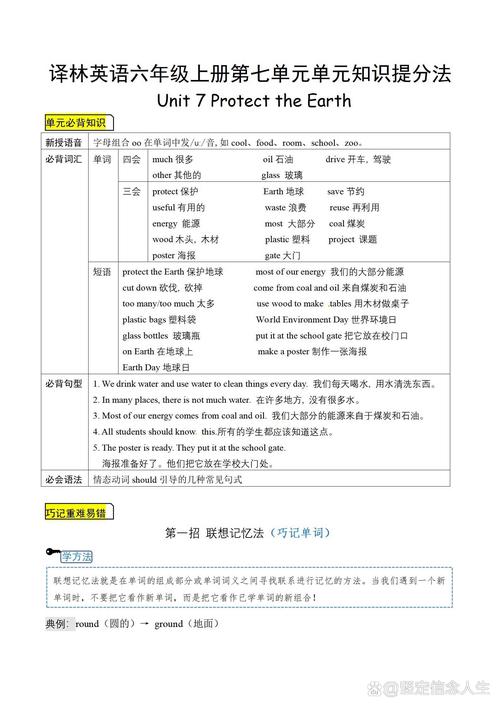
(图片来源网络,侵删)
| 环节 | 设计意图 | 时间 | |
|---|---|---|---|
| Step 1: Warming-up & Lead-in (热身与导入) | Greetings: Teacher greets the students with "Hello/Good morning, class!" 2. Sing a song: "Hello, Hello!" or "ABC Song". 3. Show a picture of a new school or a group of students and ask: "Look at this picture. Are they happy? Do you want to make new friends?" |
营造轻松愉快的英语学习氛围,激发学生兴趣,自然地引入本课主题——认识新朋友。 | 5 mins |
| Step 2: Presentation (新知呈现) | Vocabulary: Present new words (e.g., name, classmate, from) using pictures or real objects. 2. Sentence Patterns: a. Introduce the dialogue: "Listen to the tape. What are they talking about?" (Play the recording). b. Present key sentences: What's your name? / My name is... and I'm from.... Explain the meaning and usage. c. Focus on the be verb: "I am...", "You are...", "He/She is...". Use students in the class as examples. |
通过视听结合的方式,直观地呈现新知识,将语言点置于真实的对话情景中,便于学生理解和记忆。 | 15 mins |
| Step 3: Practice (巩固练习) | Mechanical Practice: a. Read after the teacher (choral repetition). b. Read in pairs (one asks, one answers). c. Fill in the blanks with am, is, are. 2. Meaningful Practice: a. "Ask and Answer in pairs": Students practice the dialogue with their deskmates using their real names. b. "Make a new dialogue": Change the information (e.g., name, hometown) and create a new short dialogue. |
从机械模仿到意义操练,层层递进,帮助学生从“知道”过渡到“会用”,结对活动和小组活动能增加学生开口说的机会。 | 12 mins |
| Step 4: Production (产出运用) | Group Work: "Find a new friend". - Students walk around the classroom and ask at least 3 classmates: "What's your name? Where are you from?" - They need to remember the information and report back to the group: "This is... He/She is from...". 2. Whole Class Activity: A few volunteers come to the front and introduce their new friends to the class. |
创设真实的交际任务,鼓励学生在“用”中学,将所学知识内化为自己的语言能力,体验学习的成就感。 | 10 mins |
| Step 5: Summary & Homework (总结与作业) | Summary: Ask students: "What have we learned today?" Help them summarize the key words and sentences. 2. Homework: a. Read the dialogue on Page X fluently. b. Copy the new words and sentences 3 times. c. (Optional) Introduce your best friend to your parents in English. |
回顾本课重点,巩固学习成果,作业设计兼顾基础巩固和能力拓展,并与生活实际相联系。 | 3 mins |
板书设计
- Unit 1 This is me!
- 左侧 - 词汇区:
nameclassmatefrombe动词:am,is,are
- 中间 - 句型区:
— What's your name?— My name is... / I'm...— I'm from...— He/She is...
- 右侧 - 学生作品区: (用于展示学生写的句子或画的画)
第二部分:具体教案范例 (译林版七上 Unit 1 Welcome to the unit)
课题: Unit 1 This is me! (Welcome to the unit, Period 1)
教学目标
- 知识与技能:
- 能听、说、读、写并运用
good,morning,afternoon,evening,hi,hello,I'm,name等问候语和自我介绍词汇。 - 能熟练运用
Good morning/afternoon/evening.和Hello/Hi.进行日常问候。 - 能运用
— What's your name? — My name is... / I'm...进行自我介绍和询问他人姓名。
- 能听、说、读、写并运用
- 过程与方法:
- 通过情景对话、角色扮演,学习在真实场景中打招呼和自我介绍。
- 通过结对活动和小组活动,在互动中练习和巩固语言。
- 情感态度与价值观:
- 培养学生有礼貌地与人交往的习惯。
- 鼓励学生大胆开口,建立学习英语的自信心。
教学重难点
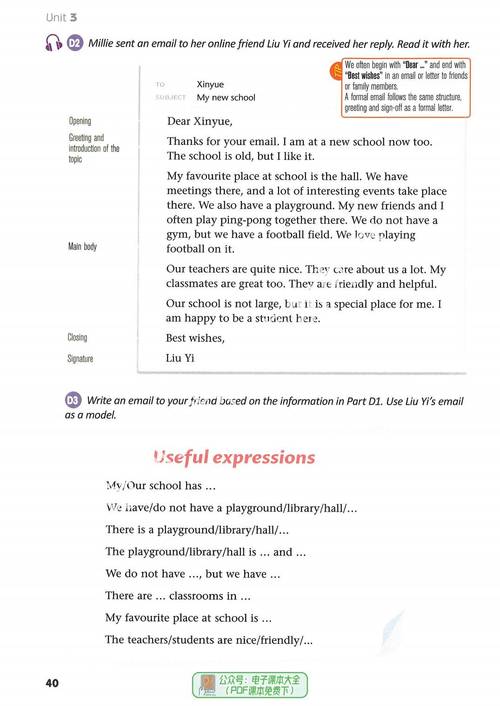
(图片来源网络,侵删)
- 重点: 问候语
Good morning/afternoon/evening.和自我介绍句型What's your name? / My name is...。 - 难点:
I'm是I am的缩写形式及其在句中的使用。
教学准备
- PPT课件(包含不同时段的问候图片、时钟)、录音、单词卡片。
教学过程
| 环节 | 设计意图 | 时间 | |
|---|---|---|---|
| Step 1: Warming-up & Lead-in | Greet the students with a big smile and wave: "Hello, everyone!" 2. Play the song "Hello, Hello!" and ask students to clap and sing along. 3. Show a picture of the sun rising: "Look! It's morning. What do we say in the morning?" 引导学生说出 "Good morning." |
用歌曲和图片快速吸引学生注意力,激活已有的知识储备,自然导入问候语的学习。 | 5 mins |
| Step 2: Presentation | Greeting Time: a. Show PPT with pictures of morning, afternoon, and evening. Teach Good morning., Good afternoon., Good evening. b. Teacher acts out different times and greets students. Students respond. 2. Introduction Time: a. Teacher points to herself and says: "I'm Miss/Mr. [Your Name]." (Write on Bb). b. Teacher asks a student: "What's your name?" (Write on Bb). Then helps the student answer: "My name is..." or "I'm..." (Write on Bb). c. Explain I'm = I am. |
结合图片和时间创设情景,让学生理解不同问候语的用法,通过师生互动,直观呈现核心句型,降低学习难度。 | 15 mins |
| Step 3: Practice | Listen and Repeat: Play the recording of Part A (Welcome to the unit). Students listen and repeat, paying attention to the intonation. 2. Pair Work: a. Activity 1: Students work in pairs. One is Millie, the other is Daniel. Practice the dialogue in Part A. b. Activity 2: Students use their own names to practice the dialogue: — Good morning. What's your name? — My name is... / I'm... |
跟读模仿纯正的语音语调,结对练习让学生在安全的环境中反复操练,为自由运用打下基础。 | 12 mins |
| Step 4: Production | "Greeting Chain" (问候链): 1. Teacher greets the first student: "Good morning, S1. What's your name?" S1 answers: "My name is S1." Then S1 turns to the next student (S2) and asks: "Good morning, S2. What's your name?" ... and so on. 2. The chain goes on until the last student. The last student can come to the front and introduce the whole class to the teacher. |
这个游戏式的活动趣味性强,能覆盖到所有学生,让每个学生都有开口的机会,将课堂气氛推向高潮。 | 10 mins |
| Step 5: Summary & Homework | Summary: Look at the blackboard and read the key sentences together. Ask: "When do we say 'Good morning'?" 2. Homework: a. Read Part A on Page 2 three times. b. Greet your parents at the right time today (e.g., "Good morning, mum!"). c. Write down your English name and 3 of your classmates' English names. |
总结要点,强化记忆,作业设计注重实践性和趣味性,将课堂所学延伸到课外生活中。 | 3 mins |
板书设计
                Unit 1 This is me!
---------------------------------------------
|   Greetings         |   Introduction     |
|---------------------|--------------------|
|   Good morning.     |   — What's your name? |
|   Good afternoon.   |   — My name is...    |
|   Good evening.     |   — I'm...           |
|   Hello / Hi.       |                     |
---------------------------------------------
         I'm = I am
第三部分:七年级上册学期教学规划建议
译林版七年级上册通常包含8个单元,内容围绕学生的学校、家庭、爱好、饮食等日常生活展开。
整体教学理念:
- 兴趣第一: 七年级是英语学习的起始阶段,保护和激发学生的兴趣至关重要,多采用游戏、歌曲、竞赛、角色扮演等形式。
- 听说领先: 遵循语言习得规律,先让学生大量听、大胆说,逐步过渡到读和写。
- 情景教学: 将单词和句型置于有意义的情景中呈现和练习,避免孤立地记语法和背单词。
- 循序渐进: 严格遵循教材编排顺序,由易到难,由浅入深,稳扎稳打。
学期教学进度安排 (建议):
| 单元 | 核心话题 | 核心语法/功能 | 教学重点 | 教学建议 |
|---|---|---|---|---|
| Unit 1 | Making new friends | Be动词 (am/is/are), Greetings & Introductions |
问候语,自我介绍,姓名,来自哪里 | 多设计互动游戏,让学生在活动中认识新同学,练习新句型。 |
| Unit 2 | My daily life | Present simple tense (I/You/We/They), Telling the time | 日常活动,时间表达,频度副词 (always, usually) |
制作时间表,用图片和动作教授动词短语 (get up, go to school)。 |
| Unit 3 | A welcome party | Present simple tense (He/She/It), Nouns (plurals) | 聚会食物,邀请,第三人称单数 | 可在班级举办小型“欢迎派对”,在真实情境中练习句型 He likes..., She brings...。 |
| Unit 4 | My day | Present simple tense (all persons), Daily routines | 学校科目,课程表,喜好 (like/love/hate) |
制作个人课表,讨论最喜欢的科目和原因,练习 I like..., He likes...。 |
| Unit 5 | Let's celebrate! | Imperative sentences, Festivals & customs | 节日,庆祝活动,祈使句 | 结合中外节日(如国庆节、万圣节)进行文化渗透,学习 Let's..., Don't...。 |
| Unit 6 | Food and lifestyle | Countable/uncountable nouns, How many/much |
食物,健康饮食,购物 | 区分可数与不可数名词是难点,需大量实例练习,可设计“餐厅点餐”或“超市购物”情景。 |
| Unit 7 | Shopping | Asking about prices, Suggestions | 购物,衣物,价格,提建议 (Can I help you?, How much is it?) |
角色扮演“买卖东西”的游戏,练习讨价还价和询问价格的句型。 |
| Unit 8 | Fashion | Describing people & clothes, Whose |
描述外貌,衣物,所属关系 | 让学生画一幅“时尚的我”,并用所学句型描述自己或同学的穿着。 |
贯穿学期的教学策略:
- 词汇教学: 坚持“词不离句,句不离景”,利用词根词缀、联想法、分类法帮助学生记忆单词。
- 听力训练: 每节课坚持进行5-10分钟的听力输入(听录音、听老师指令、听同学发言)。
- 口语培养: 创设“人人开口”的氛围,采用Pair work, Group work, Chain drill等多种形式。
- 阅读写作: 从七年级上册开始,逐步培养学生的阅读技巧(如找关键词、猜词义)和仿写能力(从写句子到写短文)。
- 评价方式: 采用过程性评价与终结性评价相结合的方式,多鼓励、多表扬,关注学生的点滴进步。
希望这份详细的教案指南能对您的教学有所帮助!祝您教学顺利!