仁爱九下英语教案如何高效设计?
校园之窗 2025年12月16日 01:27:47 99ANYc3cd6
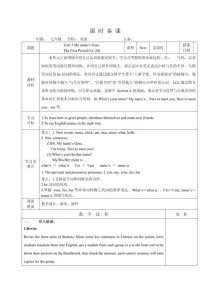
人教版(仁爱版)九年级下册英语Unit 5 Topic 1 教案
课题: Unit 5 What are the shirts made of? Topic 1 What can we learn from traditional art? Section A (1a-2c)
教学目标
-
知识与技能目标:
 (图片来源网络,侵删)
- 词汇: 能听、说、读、写并正确运用以下核心词汇:
traditional(传统的)art(艺术)silk(丝绸)cotton(棉花)material(材料)clay(泥土)sculpture(雕塑)paper-cutting(剪纸)be made of(由...制成)
- 句型: 能熟练掌握并运用以下句型进行问答:
What is it made of?(它是由什么制成的?)It is made of...(它是由...制成的。)What can we learn from it?(我们能从它中学到什么?)We can learn...(我们能学到...)
- 听: 能听懂关于传统艺术品及其材料的简短对话。
- 说: 能运用目标词汇和句型,就常见的传统艺术品进行简单的问答和交流。
- 读: 能读懂关于传统艺术品的简单描述。
- 写: 能根据图片或提示,写出关于物品材料的简单句子。
- 词汇: 能听、说、读、写并正确运用以下核心词汇:
-
过程与方法目标:
- 通过情境创设、图片展示等方式,激发学生学习兴趣,引导学生在真实或模拟的语境中感知和运用语言。
- 通过小组合作、结对练习等活动,培养学生的合作精神和沟通能力。
- 运用任务型教学法,让学生在完成任务的过程中主动探究、学习和运用语言。
-
情感态度与价值观目标:
- 通过了解中国的传统艺术,如剪纸、陶艺等,增强学生的文化自信和民族自豪感。
- 培养学生欣赏美、发现美的能力,激发对中国传统文化的热爱。
- 引导学生思考传统艺术所蕴含的智慧和哲理,培养积极向上的人生态度。
教学重难点
-
教学重点:
- 掌握核心词汇
traditional, silk, cotton, material, clay, sculpture, paper-cutting的音、形、义。 - 熟练运用句型
What is it made of?和It is made of...来询问和回答物品的构成材料。
- 掌握核心词汇
-
教学难点:
 (图片来源网络,侵删)
- 理解并区分
be made of和be made from的用法(本节课重点在of,表示能看出原材料)。 - 运用目标语言进行有意义的交际,并能就传统艺术品的内涵进行简单的思考和表达。
- 理解并区分
教学准备
- 教师: 多媒体课件、单词卡片、图片或实物(如丝绸布料、棉花、陶器、剪纸作品)。
- 学生: 课本、练习本、预习新课内容。
教学过程
Step 1: Warming-up & Lead-in (热身与导入) (约5分钟)
-
Greetings:
- Teacher: Good morning/afternoon, class!
- Students: Good morning/afternoon, teacher!
- T: How are you today?
- Ss: We are fine, thank you. And you?
- T: I'm great, thanks. Sit down, please.
-
Show and Tell:
- T: (拿出一件丝绸制品,如一条丝巾或一个扇子) Look at this. What's this in English? (引导学生回答 It's a fan/silk scarf.)
- T: What is it made of? (教师自问自答,并指向材料) It's made of silk. (在黑板上板书
silk和句型It is made of silk.) - T: (再拿出一件棉质T恤) What about this? It's a T-shirt. What is it made of? It's made of cotton. (板书
cotton) - Purpose: 通过直观的实物引入核心词汇和目标句型,降低学习难度,激发学生兴趣。
Step 2: Presentation (新课呈现) (约15分钟)
-
Vocabulary Learning:
- 呈现新词: 教师展示PPT,依次呈现
traditional art,clay,sculpture,paper-cutting的图片,并教授发音和中文意思。- T: (展示京剧脸谱、中国结等图片) These are our country's special arts. We call them traditional art. (板书
traditional art) - T: (展示陶泥图片) This is clay. We use clay to make things. (板书
clay) - T: (展示一个陶器雕塑图片) Look at this. It's a beautiful statue. We call it a sculpture. (板书
sculpture) - T: (展示精美的剪纸作品图片) This is a very famous Chinese folk art. It's paper-cutting. (板书
paper-cutting)
- T: (展示京剧脸谱、中国结等图片) These are our country's special arts. We call them traditional art. (板书
- 跟读与巩固: 教师领读,学生跟读,可以采用分组读、个别读等方式纠正发音。
- 呈现新词: 教师展示PPT,依次呈现
-
Listening Practice (1a):
- T: Now, open your books to Page 99. Look at 1a. Let's listen to the tape and number the pictures. (播放1a录音,学生完成1a任务)
- T: Let's check the answers. (核对答案,并请学生说出每个物品的英文名称)
- T: Now, listen again and fill in the blanks. (播放录音,学生完成1b任务)
- T: (核对答案) What is the clay sculpture made of? Yes, it's made of clay. What is the paper-cutting made of? It's made of paper.
- Purpose: 通过听力输入,让学生在真实语境中感知和理解目标语言,巩固新词汇。
-
Pattern Drills (句型操练):
- 师生互动:
- T: (指着黑板上的句子) Look at the clay sculpture. What is it made of? (教师问)
- Ss: It is made of clay. (学生齐答)
- T: (指着剪纸图片) What is it made of?
- Ss: It is made of paper.
- 生生互动 (结对练习):
- T: Now, work in pairs. Ask and answer about the pictures in 1a. Use "What is it made of? It is made of..."
- (学生A扮演学生,学生B扮演老师,或同桌两人互相提问)
- (邀请2-3组学生到台前展示)
- Purpose: 从机械操练到意义操练,逐步内化句型,为交际运用打下基础。
- 师生互动:
Step 3: Practice (巩固练习) (约10分钟)
-
Pair Work (2a):
- T: Good job! Now, look at 2a on Page 100. There are some pictures. Work with your partner. Ask and questions about them.
- (教师可以给出示范:A: What is the teapot made of? B: It is made of clay. / A: What can we learn from it? B: We can learn...)
- (学生结对练习,教师巡视指导,为有困难的学生提供帮助)
- Purpose: 将语言运用到新的情境中,培养学生独立运用语言的能力,并初步引入
What can we learn from it?的句型。
-
Group Discussion (小组讨论):
- T: (展示一张熊猫竹编的图片) Look at this panda. It's made of bamboo. It's very cute. What can we learn from it? (引导学生思考)
- Ss: (可能回答: It's lovely. / We should love animals. / Chinese people are very clever.)
- T: Great! We can learn that we should love animals and protect nature. We can also learn the wisdom of Chinese people.
- T: Now, discuss in groups of four. Choose one traditional art you like (like the sculpture, paper-cutting, etc.) and discuss: What is it made of? What can we learn from it?
- (小组讨论3-4分钟,然后请小组代表发言)
- Purpose: 提升学生的思维深度,从简单的问答过渡到有意义的讨论,渗透情感态度与价值观目标。
Step 4: Production (产出运用) (约8分钟)
- Survey (小调查):
- T: Let's do a survey. Please walk around the classroom and ask your classmates three questions.
-
What is your favorite traditional Chinese art?
-
What is it made of?
-
What can you learn from it?
-
- (学生拿着笔记本,在教室里自由交流,用英语记录下至少3位同学的信息)
- T: After the survey, I'd like some students to give a short report. For example: "I asked Li Ming. His favorite art is paper-cutting. It is made of paper. He said we can learn patience from it."
- Purpose: 创设一个真实的交际任务,让学生在“用英语做事情”的过程中综合运用所学知识,提高语言的实际运用能力。
- T: Let's do a survey. Please walk around the classroom and ask your classmates three questions.
Step 5: Summary & Homework (总结与作业) (约2分钟)
-
Summary:
- T: Today we learned about traditional Chinese art. What words did we learn? (引导学生回顾
traditional, silk, cotton, clay...) - T: What sentence patterns did we learn? (引导学生回顾
What is it made of? It is made of...) - T: We are proud of our great traditional culture. We should love and learn from it.
- T: Today we learned about traditional Chinese art. What words did we learn? (引导学生回顾
-
Homework:
- 必做:
- Listen and read the dialogues in Section A.
- Copy the new words and sentences three times.
- Finish the exercises in your workbook.
- 选做:
- Draw a picture of your favorite traditional art and write a short passage to introduce it. (e.g., What is it? What is it made of? What can you learn from it?)
- Search for information about another kind of traditional Chinese art (e.g., Beijing Opera, Chinese Knots) and share it with your classmates next class.
- 必做:
板书设计
A clear and well-organized blackboard design helps students review and consolidate the key points.
| Unit 5 What are the shirts made of? |
|---|
| Topic 1 What can we learn from traditional art? |
| New Words: |
| * traditional (adj.) 传统的 |
| * silk (n.) 丝绸 |
| * cotton (n.) 棉花 |
| * material (n.) 材料 |
| * clay (n.) 泥土 |
| * sculpture (n.) 雕塑 |
| * paper-cutting (n.) 剪纸 |
教学反思
本节课的设计力求将语言知识学习、文化情感培养和语言技能发展融为一体,通过实物、图片、多媒体等多种手段创设情境,使学生在轻松愉快的氛围中学习,任务型活动的设计(结对练习、小组讨论、课堂调查)确保了学生有充足的语言实践机会。
-
成功之处:
- 导入环节直观有效,能迅速抓住学生注意力。
- 层层递进的活动设计符合学生的认知规律,从输入到输出,环环相扣。
- 文化渗透自然,在教授语言的同时,增强了学生的文化认同感。
-
待改进之处:
- 对于基础较弱的学生,小组讨论的深度可能不够,下次可以考虑提供更具体的句型支架。
- 课堂调查环节可能会有些嘈杂,需要更好地组织和管理,确保活动有序高效。
- 可以在课后鼓励学生利用更多资源(如短视频、网站)深入了解传统艺术,将课堂学习延伸到课外。