养老院的英语作文
作文示例 2026年1月29日 06:17:49 99ANYc3cd6
标准版
A Home for Our Golden Years**
In many countries around the world, the population is getting older. This has led to a growing number of elderly people who need special care and attention. As a result, nursing homes have become an important part of our society. However, opinions about them are often mixed.
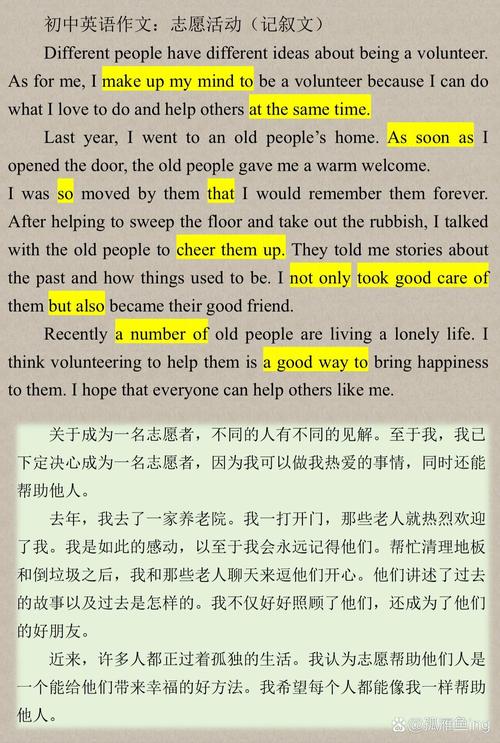
On the one hand, nursing homes provide a safe and professional environment for the elderly. For seniors who live alone, these homes offer companionship and a sense of community. Trained staff are available 24/7 to help with daily activities like bathing, eating, and taking medicine. This gives peace of mind not only to the elderly residents but also to their busy children and grandchildren who may not have enough time to provide full-time care. Furthermore, nursing homes often organize social activities, such as games, exercise classes, and day trips, which help keep the residents' minds active and bodies healthy.
On the other hand, some people worry that nursing homes can be lonely and impersonal. The elderly might feel sad and miss their own homes and families. They may also lose their independence as their daily lives are highly structured by the home's rules. There are also concerns about the quality of care in some homes, where staff might be overworked or undertrained.
In my opinion, a nursing home should not be seen as a place to "put away" the elderly. Instead, it should be a place that offers them dignity, respect, and a high quality of life. With better funding, more compassionate staff, and a focus on creating a warm, family-like atmosphere, nursing homes can truly become a wonderful "home" for our golden years.
中文翻译
我们金色年华的家**

在世界上的许多国家,人口正在老龄化,这导致了越来越多的老年人需要特殊的照顾和关注,养老院已经成为我们社会的重要组成部分,人们对养老院的看法往往是褒贬不一的。
养老院为老年人提供了一个安全、专业的环境,对于独自生活的老人来说,这些养老院提供了陪伴和一种社区感,有专业培训的员工24小时待命,帮助他们处理洗澡、吃饭、吃药等日常活动,这不仅让老年居民感到安心,也让那些忙碌不堪、没有足够时间提供全职照顾的子女和孙辈们感到放心,养老院通常还会组织社交活动,如游戏、健身课和短途旅行,这些都有助于保持老年人的思维活跃和身体健康。
有些人担心养老院可能会让人感到孤独和没有人情味,老人们可能会感到悲伤,想念自己的家和家人,随着日常生活被养老院的严格规定所安排,他们也可能失去独立性,人们还担心一些养老院的服务质量,那里的员工可能工作过度或培训不足。
在我看来,养老院不应该被看作是“安置”老年人的地方,相反,它应该是一个能给予他们尊严、尊重和高质量生活的地方,通过更好的资金支持、更富同情心的员工,以及致力于营造一个温暖、家庭般的氛围,养老院才能真正成为我们金色年华的美好“家园”。

进阶版
The Evolving Role of Nursing Homes in Modern Society**
The phenomenon of global aging presents a multifaceted challenge to contemporary societies, prompting a critical examination of eldercare solutions. Among these, nursing homes have emerged as a complex and often debated institution. They represent both a necessary response to demographic shifts and a subject of profound ethical and emotional consideration.
Proponents of nursing homes highlight their role as centers of specialized care. For individuals whose health needs exceed the capabilities of family caregivers, these facilities provide a sanctuary of medical expertise and round-the-clock supervision. This professional environment not only ensures the physical well-being of residents through assistance with medication management, mobility, and therapeutic care but also alleviates the significant caregiving burden on younger generations. Furthermore, the structured social ecosystem within these homes—encompassing group activities, communal dining, and cultural events—can be instrumental in combating the pervasive loneliness and social isolation that often accompany old age, thereby fostering mental and emotional resilience.
Conversely, critics argue that institutional care can come at the cost of personal autonomy and individuality. The regimented schedules and communal living arrangements may lead to a sense of depersonalization, where residents feel their unique identities are subsumed by the system. The transition from a private, cherished home to a more public, regulated space can be psychologically distressing. Moreover, the quality of care is not uniform, with instances of neglect or understaffing casting a shadow over the entire industry, raising valid concerns about human rights and dignity in the final stages of life.
Ultimately, the ideal of a nursing home is one that transcends mere custodial care. It should strive to be a "home away from home," a place that harmonizes professional support with genuine compassion. The future of eldercare lies in a paradigm shift towards person-centered care, which prioritizes the preferences, histories, and agency of each resident. By integrating advanced medical technology, promoting staff training in empathy and gerontology, and encouraging family involvement, we can transform nursing homes from sterile institutions into vibrant communities where the elderly are valued, engaged, and able to live out their remaining years with grace and fulfillment.
中文翻译
现代社会中养老院不断演变的作用**
全球老龄化这一现象给当代社会带来了多方面的挑战,促使人们对老年人护理方案进行深刻的审视,在众多方案中,养老院作为一个复杂且常引发争议的机构应运而生,它既是对人口结构变化的必要回应,也是一个涉及深刻伦理和情感思考的议题。
养老院的支持者强调其作为专业护理中心的作用,对于那些健康需求超出家庭照护者能力的个人而言,这些设施提供了一个拥有专业医疗知识和全天候监督的庇护所,这种专业环境不仅通过协助管理药物、行动能力和康复护理来确保居民的身体健康,也减轻了年轻一代沉重的照护负担,养老院内结构化的社交生态系统——包括团体活动、公共用餐和文化活动——在对抗老年时期普遍存在的孤独感和社交隔离方面可以发挥重要作用,从而培养心理和情感上的韧性。
相反,批评者认为,机构化护理可能会以个人自主性和个性为代价,刻板的日程和集体居住的安排可能导致一种“去个性化”的感觉,即居民觉得自己的独特个性被体制所吞没,从一个私密、珍视的家过渡到一个更公开、更受管制的空间,可能会在心理上带来痛苦,服务质量并非一成不变,忽视或人手不足的案例给整个行业蒙上了阴影,引发了关于生命最后阶段人权和尊严的有效担忧。
理想中的养老院应超越单纯的监护式护理,它应努力成为一个“远离家的家”,一个将专业支持与真正同情心相融合的地方,老年人护理的未来在于向“以人为本”的护理模式转变,该模式优先考虑每位居民的偏好、历史和能动性,通过整合先进的医疗技术、促进员工在同理心和老年学方面的培训,并鼓励家庭参与,我们可以将养老院从冰冷的机构转变为充满活力的社区,让老年人能够获得重视、参与其中,并优雅而有意义地度过余生。
核心词汇与短语
版本一 (标准版):
- Aging population: 老龄化人口
- Special care and attention: 特殊的照顾和关注
- Mixed opinions: 褒贬不一的看法
- Safe and professional environment: 安全、专业的环境
- Companionship and a sense of community: 陪伴和社区感
- Trained staff: 经过培训的员工
- Peace of mind: 安心,放心
- Social activities: 社交活动
- Keep minds active and bodies healthy: 保持思维活跃和身体健康
- Lonely and impersonal: 孤独和没有人情味
- Miss their own homes and families: 想念自己的家和家人
- Lose their independence: 失去独立性
- Highly structured: 高度结构化的,严格规定的
- Quality of care: 护理质量
- Overworked or undertrained: 工作过度或培训不足
- Dignity and respect: 尊严和尊重
- Golden years: 金色年华,晚年
版本二 (进阶版):
- Multifaceted challenge: 多方面的挑战
- Eldercare solutions: 老年人护理方案
- Complex and often debated institution: 复杂且常引发争议的机构
- Demographic shifts: 人口结构变化
- Profound ethical and emotional consideration: 深刻的伦理和情感思考
- Proponents / Critics: 支持者 / 批评者
- Centers of specialized care: 专业护理中心
- Sanctuary of medical expertise: 医疗专业知识庇护所
- Round-the-clock supervision: 全天候监督
- Alleviate the caregiving burden: 减轻照护负担
- Structured social ecosystem: 结构化的社交生态系统
- Combat loneliness and social isolation: 对抗孤独感和社交隔离
- Fostering mental and emotional resilience: 培养心理和情感上的韧性
- At the cost of personal autonomy: 以个人自主性为代价
- Regimented schedules: 刻板的日程
- Sense of depersonalization: “去个性化”的感觉
- Psychologically distressing: 在心理上带来痛苦
- Uniform quality of care: 统一的服务质量
- Custodial care: 监护式护理
- Person-centered care: 以人为本的护理
- Paradigm shift: 范式转变
- Grace and fulfillment: 优雅而有意义地