青海英语作文该突出哪些独特魅力?
作文示例 2026年1月20日 20:18:03 99ANYc3cd6
Okay, here's an essay introducing Qinghai province:
Qinghai: A Land of Azure Lakes, Snow Peaks, and Cultural Riches
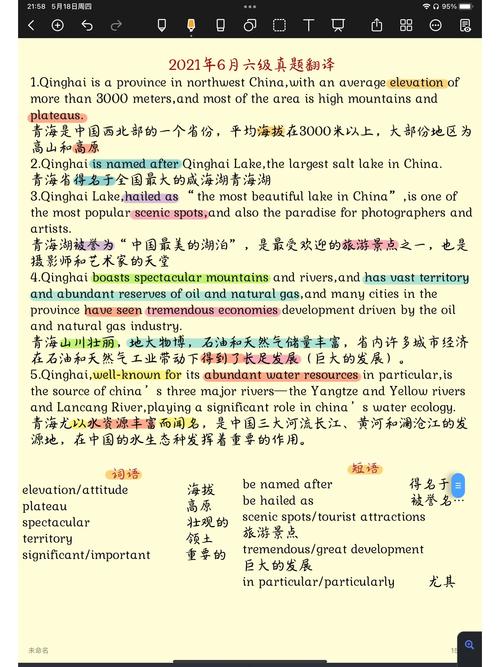
Nestled on the northeastern part of the Qinghai-Tibet Plateau, Qinghai Province is a land of breathtaking natural beauty, profound cultural heritage, and ecological significance. Named after the vast Qinghai Lake, the largest saltwater lake in China, this province offers a unique and captivating experience for travelers seeking adventure, tranquility, and a glimpse into authentic Tibetan and other ethnic cultures.
One of Qinghai's most prominent features is its stunning landscapes. Dominated by snow-capped mountains, vast grasslands, and shimmering lakes, the province is a paradise for nature lovers. Qinghai Lake, with its vast expanse of azure waters, is a sight to behold, especially during summer when wildflowers bloom in abundance around its shores. The lake is an important habitat for numerous bird species, including the endangered bar-headed goose. Beyond the lake, the province boasts other natural wonders such as the Bird Island (Niaodao) in Qinghai Lake, the majestic Kunlun Mountains, and the unique sand dunes of Chaka (Salt Lake), offering a diverse range of scenery.
Qinghai is also a cultural melting pot, home to a multitude of ethnic groups, including Tibetans, Hui, Tu, Salar, and Mongolians. This rich tapestry of cultures is reflected in the vibrant festivals, distinct architectural styles, colorful traditional clothing, and delicious local cuisine. The iconic Ta'er Monastery (Kumbum Monastery), one of the most important Tibetan Buddhist monasteries outside the Tibet Autonomous Region, is a major pilgrimage site and a masterpiece of Tibetan art and architecture. The monastery's intricate butter sculptures and vibrant thangka paintings are truly awe-inspiring. Additionally, the ancient Tea Horse Road, a historic trade route, passed through Qinghai, leaving behind a legacy of cultural exchange that can still be felt today.
Ecologically, Qinghai plays a crucial role. As the source of many major rivers in China, including the Yellow, Yangtze, and Mekong, it is often referred to as the "Water Tower of China." The Sanjiangyuan National Nature Reserve, established to protect the headwaters of these three great rivers, is a vital ecological sanctuary, home to unique wildlife such as the Tibetan antelope and wild yaks.
In recent years, Qinghai has also gained attention for its renewable energy initiatives, particularly in solar and wind power, harnessing the abundant natural resources of the plateau.
In conclusion, Qinghai Province is a destination that seamlessly blends natural splendor with cultural depth. Whether it's gazing at the endless blue of Qinghai Lake, exploring the spiritual ambiance of ancient monasteries, or immersing oneself in the traditions of its diverse ethnic communities, Qinghai offers an unforgettable journey. It is a place where the sky seems closer, the land stretches endlessly, and the spirit of the plateau lingers in the air, leaving a lasting impression on all who visit.