仁爱英语七年级知识点有哪些重点难点?
校园之窗 2026年1月19日 02:49:03 99ANYc3cd6
总体特点
仁爱版英语七年级的教材内容贴近学生生活,强调交际能力的培养,主要围绕学生的日常生活、学习、兴趣、健康等话题展开。
七年级上册 (Grade 7, Volume A)
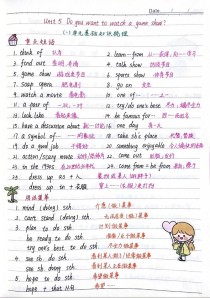
上册主要围绕“打招呼、介绍、谈论物品、饮食、家庭”等基础话题展开。

(图片来源网络,侵删)
Unit 1: Making New Friends (交新朋友)
- 核心话题: 问候与介绍
- 重点词汇:
- 国家: China, America, England, Canada, Japan
- 语言: Chinese, English, Japanese
- 国籍: Chinese, American, English, Canadian, Japanese
- 形容词: new, old, nice, glad, happy
- 代词: I, you, he, she, it, we, they
- 动词: am, is, are, come, go, live
- 核心句型:
- 问候:
- Good morning/afternoon/evening!
- Hello! / Hi!
- How are you? — I'm fine, thank you. / And you? — I'm OK.
- 介绍:
- 自我介绍: I'm... / My name is... (I'm...)
- 介绍他人: This is... / He/She is...
- 询问姓名: What's your/his/her name? — My/His/Her name is...
- 询问来自哪里:
Where are you from? — I'm from... / I come from...
- 问候:
- 重要语法:
- be 动词的用法:
am用于主语I之后。is用于主语he, she, it或单个名词之后。are用于主语you, we, they或多个名词之后。
- 陈述句、疑问句和否定句:
- 肯定句: I am a student. She is from China.
- 否定句: I am not a student. She is not from China. (缩写: I'm not. She isn't.)
- 一般疑问句: Are you a student? Is she from China?
- 肯定回答: Yes, I am. / Yes, she is.
- 否定回答: No, I'm not. / No, she isn't.
- be 动词的用法:
Unit 2: Looking Different (看起来不同)
- 核心话题: 描述外貌
- 重点词汇:
- 身体部位: hair, eye, ear, nose, mouth, face, head, arm, hand, leg, foot (feet)
- 形容词: long, short, big, small, round, wide
- 颜色: red, yellow, blue, green, black, white, brown
- 名词: glasses, hat
- 核心句型:
- 描述外貌:
- What does he/she look like? — He/She has...
- He/She has... (长着...) +
long hair(长头发),big eyes(大眼睛),a small nose(小鼻子). - He/She is... (是...) +
tall(高),short(矮),of medium height(中等身高).
- 谈论颜色:
What color is it/are they? — It's... / They are...
- 描述外貌:
- 重要语法:
- 名词所有格
's:- 表示“某人的”,通常在人名或人称代词后加
's。 - Lucy's hair (露西的头发), his eyes (他的眼睛)。
- 表示“某人的”,通常在人名或人称代词后加
- have/has 的用法:
have用于主语I, you, we, they之后。has用于主语he, she, it之后。- I have a book. He has a pen.
- 名词所有格
Unit 3: Getting Together (相聚)
- 核心话题: 谈论食物、饮料和喜好
- 重点词汇:
- 食物: rice, bread, egg, noodle, fish, meat, vegetable, hamburger, pizza, cake
- 饮料: water, tea, milk, juice, Coke
- 水果: apple, banana, orange, pear
- 动词: would like, want, eat, drink
- 情态动词: can, would
- 核心句型:
- 点餐/表达需求:
- I'd like... (我想要...), Would you like...? (你想要...吗?)
- Yes, please. / No, thanks.
- 谈论喜好:
- Do you like...? — Yes, I do. / No, I don't.
- What about...? (......怎么样?)
- 能力:
Can you swim/sing? — Yes, I can. / No, I can't.
- 点餐/表达需求:
- 重要语法:
- 可数名词与不可数名词:
- 可数名词: 有单复数变化,如
an apple,two apples。 - 不可数名词: 没有复数形式,如
rice,water,milk,表示数量时用a glass of,a cup of,a bottle of等。
- 可数名词: 有单复数变化,如
- 名词复数的构成:
- 一般加
-s: book → books - 以 s, x, ch, sh 结尾加
-es: box → boxes - 以“辅音+y”变 y 为 i 再加
-es: baby → babies - 以 f/fe 变 f/fe 为 v 再加
-es: knife → knives
- 一般加
- 可数名词与不可数名词:
Unit 4: Having Fun (玩得开心)
- 核心话题: 谈论日常活动、爱好和周末计划
- 重点词汇:
- 动词: play (basketball/football/piano), go (swimming/fishing/shopping), watch (TV), read (books), listen (to music), dance, sing, run, walk
- 名词: park, zoo, movie, home, weekend, homework
- 时间状语: on Saturday/Sunday, in the morning/afternoon/evening
- 核心句型:
- 询问活动:
- What do you do on weekends? — I often...
- What are you doing? — I'm playing basketball. (现在进行时)
- 提出邀请:
- Let's go... (我们去......吧。)
- Would you like to...? (你愿意......吗?)
- 询问活动:
- 重要语法:
- 一般现在时:
- 用法: 描述经常性、习惯性的动作或客观事实。
- 结构: 主语 + 动词原形 + 其他。 (主语为第三人称单数时,动词要加
-s或-es。) - 标志词: often, usually, always, sometimes, every day
- 现在进行时:
- 用法: 描述说话时正在进行的动作。
- 结构: 主语 + am/is/are + 动词的-ing形式 + 其他。
- 标志词: now, look, listen
- 一般现在时:
七年级下册 (Grade 7, Volume B)
下册的话题更加深入,涉及天气、季节、学校生活、健康、旅行等。
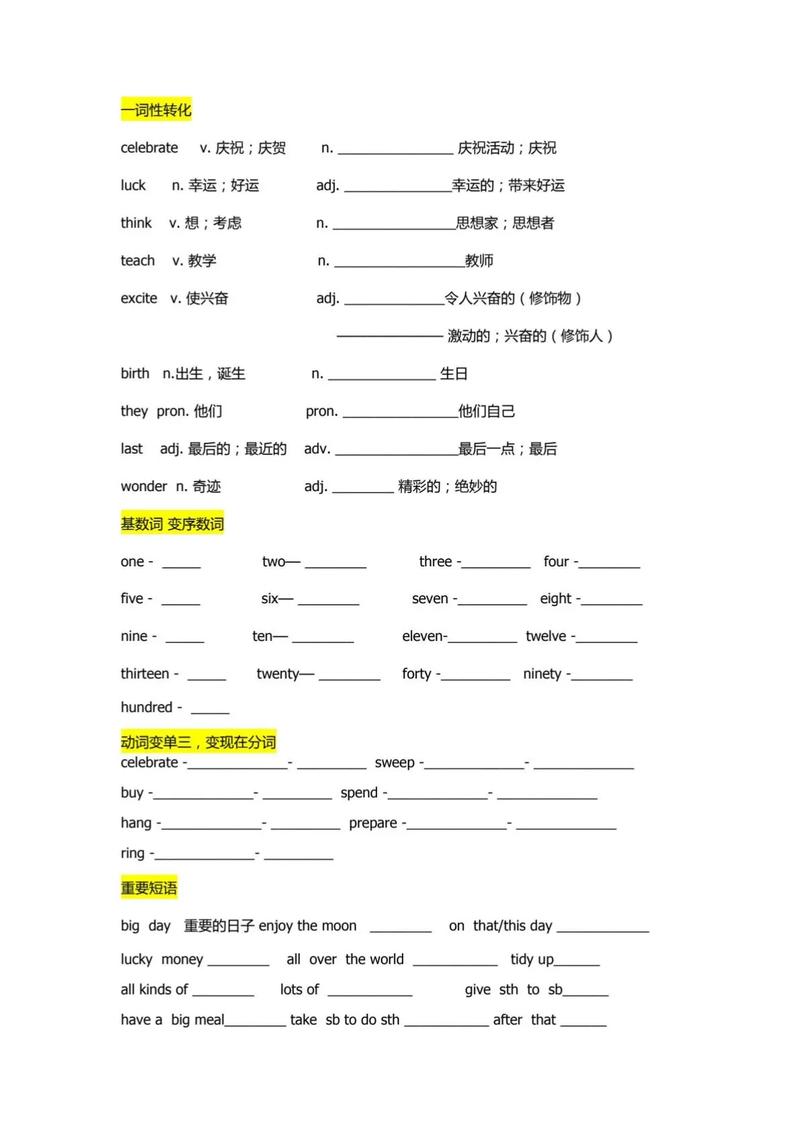
(图片来源网络,侵删)
Unit 5: Our School Life (我们的学校生活)
- 核心话题: 谈论学校设施、课程和日常活动
- 重点词汇:
- 地点: classroom, library, office, playground, garden
- 课程: Chinese, English, math, music, art, P.E. (Physical Education)
- 动词: have (class), begin, finish, do (homework), borrow, return
- 时间: time, o'clock, half past, quarter past/to
- 核心句型:
- 谈论时间:
- What time is it? — It's...
- When do you have... class? — We have it at...
- 谈论课程:
- How many classes do you have on Monday? — We have...
- What's your favorite subject? — My favorite subject is...
- 谈论时间:
- 重要语法:
- 介词
at,in,on的用法:at+ 具体时间点: at 7:00, at noonin+ 月份/季节/年份: in May, in summer, in 2025on+ 具体某一天/日期: on Monday, on May 1st
- 方位介词:
in(在...里面),on(在...上面),under(在...下面),near(在...附近)
- 介词
Unit 6: Our Local Area (我们的社区)
- 核心话题: 描述方位、问路和指路
- 重点词汇:
- 地点: post office, bank, hospital, supermarket, bookstore, restaurant, pay phone
- 动词: go, walk, get to, turn, pass
- 方位词: next to, across from, behind, in front of, between
- 核心句型:
- 问路:
- Excuse me, where is the...? / How can I get to the...?
- Is there a... near here?
- 指路:
- It's next to/behind... (它在...的旁边/后面。)
- Go straight along this street. (沿着这条街直走。)
- Turn left/right at the first/second crossing. (在第一个/第二个十字路口向左/右转。)
- 问路:
- 重要语法:
- There be 句型:
- 用法: 表示“某地存在某物”。
- 结构: There be + 名词 + 地点状语。
is用于单数名词或不可数名词前。are用于复数名词前。- There is a book on the desk. There are some apples in the basket.
- 疑问句和否定句: 把
be动词提到句首。
- There be 句型:
Unit 7: The Birthday Party (生日派对)
- 核心话题: 谈论日期、生日、计划和礼物
- 重点词汇:
- 月份: January, February, March, April, May, June, July, August, September, October, November, December
- 序数词: first (1st), second (2nd), third (3rd), fourth (4th), fifth (5th)...
- 动词: have (a party), make, buy, give, celebrate
- 名词: gift, present, card, cake, candle
- 核心句型:
- 谈论日期和生日:
- When is your birthday? — It's on May 2nd.
- How old are you? — I'm twelve years old.
- 谈论计划和愿望:
- What would you like to do for your birthday? — I'd like to...
- I want to... / I hope to...
- 谈论日期和生日:
- 重要语法:
- 日期表达法:
- 月份 + 序数词: May 2nd (读作: May second)
- 介词:
on用于具体的某一天前,on May 2nd, on Monday
- 基数词和序数词的转换:
- 大部分序数词由基数词加
-th构成。 - 特殊变化: one → first, two → second, three → third, five → fifth, eight → eighth, nine → ninth, twelve → twelfth。
- 大部分序数词由基数词加
- 日期表达法:
Unit 8: The Seasons and the Weather (季节与天气)
- 核心话题: 描述季节、天气和活动
- 重点词汇:
- 季节: spring, summer, fall/autumn, winter
- 天气: warm, hot, cool, cold, sunny, cloudy, rainy, snowy, windy
- 活动: fly a kite, go swimming, climb hills, make a snowman, skate
- 核心句型:
- 谈论天气:
How's the weather? / What's the weather like? — It's sunny/rainy...
- 谈论季节和活动:
- Which season do you like best? — I like... best.
- Why? — Because it's... and I can...
- 谈论天气:
- 重要语法:
like的用法:like sth.(喜欢某物): I like apples.like doing sth.(喜欢做某事,指长期爱好): I like swimming.like to do sth.(喜欢做某事,指某次具体行为): I like to swim this afternoon.
学习建议
- 词汇为王: 每天坚持背诵单词,结合课文和例句来记忆,不要孤立地背单词表。
- 句型为本: 熟练掌握每个单元的核心句型,并尝试用它们造句、对话。
- 语法为纲: 将语法点融入句子和情境中去理解,而不是死记硬背规则,多做不同类型的练习题来巩固。
- 听说领先: 多听课本录音,模仿语音语调,创造机会用英语进行简单的交流,哪怕自言自语。
- 阅读与写作: 阅读简单的英语短文,积累好词好句,尝试用英语写日记、小作文,把学到的知识用起来。
希望这份知识点总结对你的学习有帮助!加油!