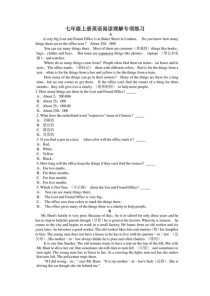
八年级上册任务型阅读如何高效解题?
校园之窗 2026年1月12日 01:43:30 99ANYc3cd6
任务型阅读的特点与考察目标
特点:
- 信息量大: 通常是一篇200-300词左右的短文,内容贴近学生生活,如学校生活、兴趣爱好、健康饮食、环境保护、文化习俗等。
- 形式多样: 题目不再是简单的选择题,而是以表格、句子填空、回答问题、信息匹配、思维导图等形式出现。
- 能力综合: 要求学生读懂文章表层信息,并能进行一定的逻辑推理和归纳总结。
考察目标:
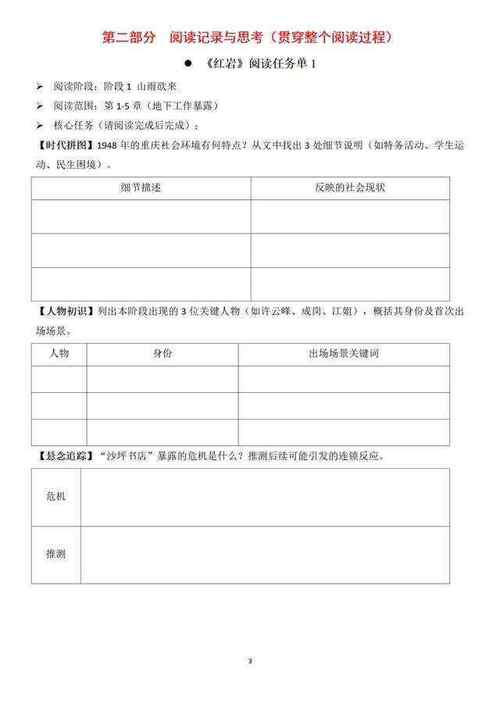
- 细节查找能力: 快速找到特定信息,如时间、地点、人物、数字等。
- 信息理解与转述能力: 理解句子或段落的意思,并用不同的方式(同义替换、句型转换)表达出来。
- 信息归纳与总结能力: 提炼文章主旨大意或段落大意。
- 逻辑推理能力: 根据已知信息推断出隐含的意义。
- 词性转换能力: 根据句子结构,将给出的词变成合适的词性(名词、动词、形容词、副词等)。
常见题型及解题技巧
信息匹配
形式: 左边是5个句子或问题,右边是7-8个选项,要求选出对应的答案。 解题技巧:
- 先看题目,划出关键词: 题目中的人名、地名、时间、数字、核心动词/名词是定位的关键。
- 带着关键词去原文“寻宝”: 快速浏览文章,找到与关键词相关的句子或段落。
- 仔细比对,排除干扰项: 选项中往往有近义词或部分信息正确的干扰项,必须确保全部信息都匹配。
- 注意“同义替换”: 题目中的表述和原文中的表述可能不完全一样,但意思相同,题目问 "What's the weather like?",原文可能描述 "It's sunny and warm."。
完成表格/信息卡
形式: 给出一个不完整的表格,需要根据文章内容填写信息。 解题技巧:
- 看清表格结构: 表格的行和列分别代表什么信息(如:Who, What, When, Where, Why, How)。
- 按“格”索骥: 逐行或逐列分析,根据表格的标题确定需要查找的信息类型。
- 注意词数和词性: 严格按照题目要求的词数填写,并根据句子结构判断所需单词的词性(名词、动词、形容词等)。
- 注意大小写和标点: 专有名词首字母大写,句子开头首字母大写,注意不要遗漏标点符号。
回答问题
形式: 根据文章内容,用完整的句子回答问题。 解题技巧:
- 明确问题类型: 是特殊疑问句(What, When, Where, Who, Why, How)还是一般疑问句。
- 定位答案出处: 根据问题关键词找到原文相关句子。
- 转述与整合:
- 直接引用: 如果答案非常明确且简短,可以直接抄录。
- 转述: 更常见的是需要用自己的话转述,或从不同句子中整合信息。
- 句型转换: 问 "Why did he do that?",原文可能是 "He did that because he wanted to help.",回答就要用 "Because he wanted to help." 开头。
- 注意人称和时态: 答案的人称和时态要与原文保持一致。
句子填空
形式: 给出5个不完整的句子,每个句子有一个空格,并提供一个单词库,需要从单词库中选择合适的单词,并用其正确形式填空。 解题技巧:
- 分析句子结构: 判断空格处需要填入什么词性的单词(名词、动词、形容词、副词等)。
- 结合上下文语境: 空格前后的词是重要的线索,空格前是be动词,空格后是名词,那么很可能需要填一个形容词。
- 进行词形转换: 从单词库中选出词性正确的单词,再根据句子需要进行时态、单复数、比较级/最高级等变化。
- 代入检查: 将填好的单词代入句子,通读一遍,看是否通顺、合理。
实战演练
阅读下面短文,按要求完成题目。
The Green School Project
Our school is starting a "Green School Project" to make our campus more beautiful and environmentally friendly. All students and teachers are encouraged to take part.
What can we do?
- Plant More Trees: We will plant 50 young trees and 100 flowers around the playground and the library next Saturday. Please wear old clothes and bring gloves.
- Save Paper: We will have a "No Paper Day" on the first Friday of every month. On that day, we should try to use notebooks and computers instead of paper for our homework and class notes.
- Reduce Waste: We will set up special recycling bins for plastic bottles and used paper in every classroom. Please remember to sort your trash before throwing it away.
Why is it important? A clean and green environment is good for our health and studies. It also teaches us to be responsible citizens. Let's work together to make our school a better place!
信息匹配
请将左侧的活动与其对应的细节匹配。 | Activities | Details | | :--- | :--- | | 1. Planting Trees | A. It happens on the first Friday of each month. | | 2. Saving Paper | B. Students need to wear old clothes. | | 3. Reducing Waste | C. Special bins will be placed in classrooms. | | 4. The Project's Goal | D. It aims to make the campus more beautiful. |
答案: 1 - B (根据 "Please wear old clothes...") 2 - A (根据 "We will have a 'No Paper Day' on the first Friday of every month.") 3 - C (根据 "We will set up special recycling bins...in every classroom.") 4 - D (根据 "to make our campus more beautiful and environmentally friendly.")
完成句子完成下列句子,每空一词。
- The "Green School Project" is for making our school more ____ and ____.
- On "No Paper Day", students can use ____ and ____ to do their homework.
- The project is important because it can help us to be ____ citizens.
答案: 5. beautiful, environmentally friendly (直接从第一段最后一句找到答案) 6. notebooks, computers (从 "Save Paper" 部分找到 "use notebooks and computers") 7. responsible (从 "Why is it important?" 部分找到 "teaches us to be responsible citizens")
回答问题回答下列问题。
- When will they plant trees and flowers?
- What should students do before throwing away trash?
- Why does the school start this project? (请给出两个原因)
答案: 8. They will plant them next Saturday. (根据 "We will plant...next Saturday.") 9. They should sort their trash before throwing it away. (根据 "Please remember to sort your trash before throwing it away.") 10. Because it is good for our health and studies, and it can teach us to be responsible citizens. (从 "Why is it important?" 部分归纳出两个原因)
总结与建议
- 先看题目,再读文章: 带着问题去阅读,目标明确,效率更高。
- 划关键词,定位信息: 养成在阅读时划出关键词的好习惯。
- 仔细审题,规范作答: 注意词数、词性、大小写、标点等细节要求。
- 忠于原文,切忌主观臆断: 答案必须来源于文章,不要加入自己的想象。
- 多加练习,总结规律: 通过大量练习,熟悉不同题型的解题思路,总结出适合自己的方法。
希望这份详细的指南和练习能帮助你在八年级上册的任务型阅读中取得好成绩!加油!