人教版八年级上册英语课本翻译准确吗?
校园之窗 2025年12月2日 15:37:26 99ANYc3cd6
较多,我将按单元进行结构化翻译,并提供每个单元的核心句型、词汇和语法点,帮助您更好地理解和学习。
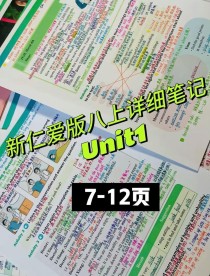
Unit 1: Where did you go on vacation? (你去哪儿度假了?)
单元主题: 谈论过去的假期经历。

(图片来源网络,侵删)
核心句型:
- — Where did you go on vacation? 你去哪儿度假了? — I went to the mountains. 我去爬山了。
- — Did you go anywhere interesting? 你去了什么有趣的地方吗? — Yes, I did. / No, I didn't. 是的,我去了。/ 不,我没去。
- — How was the beach? 海滩怎么样? — It was beautiful. 它很美。
重点词汇:
anyone(任何人)anything(任何事)everything(每件事)of course(myself(我自己)yourself(你自己)hen(母鸡)pig(猪)seem(似乎)bored(感到无聊的)interested(感兴趣的)diary(日记)decide(决定)try(尝试)paragliding(滑翔伞运动)bird(鸟)bicycle(自行车)building(建筑物)trader(商人)difference(不同之处)top(顶部)wait(等待)umbrella(雨伞)wet(湿的)below(在...下面)enough(足够的)hungry(饥饿的)as(作为;如同)duck(鸭子)dislike(不喜欢)delicious(美味的)quick(快的)fresh(新鲜的)
重点语法:
- 一般过去时: 主要用于描述过去某个时间点发生的动作或存在的状态。
- 构成: 主语 + 动词的过去式...
- 规则动词过去式:
- 直接加
-ed:watch->watched,play->played - 以
e只加-d:like->liked - 以“辅音字母+y”变
y为i再加-ed:study->studied - 重读闭音节结尾,双写辅音字母再加
-ed:stop->stopped
- 直接加
- 不规则动词过去式: 需要单独记忆,如
go->went,see->saw,do->did,eat->ate,have->had,is/am->was,are->were。
Unit 2: How often do you exercise? (你多久锻炼一次?)
单元主题: 讨论日常活动频率。

(图片来源网络,侵删)
核心句型:
- — What do you usually do on weekends? 你周末通常做什么? — I always exercise. 我总是锻炼。
- — How often do you go shopping? 你多久去买一次东西? — I go shopping once a week. 我一周购物一次。
- — How many hours do you sleep every night? 你每晚睡几个小时? — I sleep for seven hours. 我睡七个小时。
重点词汇:
habit(习惯)exercise(锻炼)sleep(睡觉)help out(帮助...做事)hardly ever(几乎不)ever(曾经)once(一次)twice(两次)Internet(互联网)program(节目)full(满的;饱的)swing(摇摆;秋千)maybe(也许)at least(至少)junk food(垃圾食品)coffee(咖啡)health(健康)result(结果)percent(百分之... %)online(在线的)television(电视)although(尽管;虽然)through(穿过;凭借)mind(介意)body(身体)such(这样的)together(一起)die(死亡)writer(作家)dentist(牙医)magazine(杂志)however(than(比)more than(超过)
重点语法:
- 频率副词:
always(总是),usually(,often(经常),sometimes(有时),hardly ever(几乎不),never(从不)。- 位置: 通常放在实义动词之前,be动词、助动词、情态动词之后。
- 例:
I usually get up at 6:30./She is always late.
How oftenvs.How many:How often(多久一次) 提问的是频率,回答用once/twice/three times a day/week/month/year或every day/week等。How many(多少) 提问的是可数名词的数量。How much(多少) 提问的是不可数名词的数量。
Unit 3: I'm more outgoing than my sister. (我比我姐姐外向。)
单元主题: 比较人的性格和外貌特征。

(图片来源网络,侵删)
核心句型:
- — Is Tom more outgoing than Sam? 汤姆比山姆更外向吗? — Yes, he is. / No, he isn't. 是的,他是。/ 不,他不是。
- — What's he like? 他是怎样的一个人? — He is serious and quiet. 他很严肃而且安静。
- — That's Tara, isn't it? 那是塔拉,对吧? — No, it's Tina. 不,那是蒂娜。
重点词汇:
outgoing(外向的)better(更好的)loudly(大声地)quietly(安静地)hard-working(工作努力的)competition(比赛;竞争)fantastic(极好的)which(哪一个)clearly(清晰地)win(赢)though(不过)touch(触摸)reach(伸手去够;到达)fact(事实)break(休息;课间)laugh(笑)share(分享;共用)look(看起来)as...as(和...一样)say(说)both(两个都)should(应该)say(说)the same as(和...相同)be different from(与...不同)primary(小学的)information(信息)quality(质量;品质)care(在意;关心)friendship(友谊)mirror(镜子)necessary(必要的)instead(代替;反而)
重点语法:
- 形容词和副词的比较级:
- 规则变化:
- 直接加
-er:tall->taller,fast->faster - 以
e加-r:nice->nicer - 以“辅音字母+y”变
y为i再加-er:happy->happier - 重读闭音节结尾,双写辅音字母再加
-er:big->bigger
- 直接加
- 不规则变化:
good/well->better,bad/badly->worse,many/much->more,little->less,far->farther/further - 基本句型:
- A + be动词 + 比较级 + than + B. (A比B更...)
- A + 动词副词 + 比较级 + than + B. (A比B更...)
- A + be动词 + as + 原级 + as + B. (A和B一样...)
- A + be动词 + not as/so + 原级 + as + B. (A不如B...)
- 规则变化:
Unit 4: What's the best movie theater? (最好的电影院是哪家?)
单元主题: 讨论和比较不同场所的优劣。
核心句型:
- — What's the best movie theater in town? 镇上最好的电影院是哪家? — Sun Cinema. It's the closest to home. 太阳影院,它离家最近。
- — Which is the best clothes store? 哪家服装店最好? — Dream Clothes. It has the best quality. 梦想服饰,它的质量最好。
- — How do you like it? 你觉得它怎么样? — I love it. 我很喜欢它。
重点词汇:
theater(剧院)comfortable(舒适的)seat(座位)screen(屏幕)close(近的)worst(最坏的)cheap(便宜的)song(歌曲)DJ(音乐节目主持人)reporter(记者)so far(到目前为止)fresh(新鲜的)delicious(美味的)crispy(脆的)salt(盐)milk(牛奶)meal(餐)make(制作;使得)better(更好的)lunch(午餐)service(服务)creative(有创造力的)performer(表演者)talent(天赋;才能)have...in common(有...共同点)be up to(由...决定;是...的职责)role(角色)play a role(发挥作用;扮演角色)serious(严肃的)give(给)raise(募集;提升)money(钱)local(当地的)give...a hand(帮...一把)volunteer(志愿者)strong(强壮的)feeling(感觉;情感)joy(喜悦;快乐)care for(照顾;非常喜欢)try out(尝试;选拔)take a seat(坐下)
重点语法:
- 形容词和副词的最高级:
- 规则变化:
- 直接加
-est:tall->tallest,fast->fastest - 以
e加-st:nice->nicest - 以“辅音字母+y”变
y为i再加-est:happy->happiest - 重读闭音节结尾,双写辅音字母再加
-est:big->biggest
- 直接加
- 不规则变化:
good/well->best,bad/badly->worst,many/much->most,little->least,far->farthest/furthest - 基本句型:
- A + be动词 + the + 最高级 + (in/of...). (A是最...的)
- A + 动词副词 + the + 最高级 + (in/of...). (A是最...的)
one of the + 最高级 + 名词复数(最...的之一)- 例:
He is one of the best students in our class.他是我们班最好的学生之一。
- 例:
- 规则变化:
Unit 5: Do you want to watch a game show? (你想看游戏节目吗?)
单元主题: 谈论电视节目类型和表达喜好。
核心句型:
- — Do you want to watch the news? 你想看新闻吗? — No, I don't. I want to watch a sitcom. 不,不想,我想看情景喜剧。
- — What do you think of talk shows? 你对访谈节目有什么看法? — I love them. / I can't stand them. / I don't mind them. 我很喜欢它们。/ 我无法忍受它们。/ 我不介意它们。
- — I hope I can be a reporter one day. 我希望有一天我能成为一名记者。 — Me too. 我也是。
重点词汇:
sitcom(情景喜剧)news(新闻)soap opera(肥皂剧)sports show(体育节目)culture(文化)famous(著名的)appear(出现;显得)become(变成;成为)rich(富有的)successful(成功的)might(可能;也许)expect(期待;预期)joke(笑话)meaning(意思;含义)culture(文化)take...seriously(认真对待)discussion(讨论)stand(忍受)documentary(纪录片)education(教育)harmful(有害的)isn't it(反意疑问句)action movie(动作片)cartoon(卡通片)agree(同意)disagree(不同意)lovely(可爱的)laugh(笑)learn...from...(从...学到...)plan(计划)find out(查明;发现)summary(概要)
重点语法:
want/hope/wish等动词的用法:want to do sth.(想要做某事)hope to do sth.(希望做某事)plan to do sth.(计划做某事)
What do you think of...?句型: 用于询问某人对某事物的看法或意见。- 回答可以用:
I love/like it.(我喜欢它。)I don't like it.(我不喜欢它。)I don't mind it.(我不介意它。)I can't stand it.(我无法忍受它。)
- 回答可以用:
- 情态动词
may和might: 表示可能性,意为“可能,也许”。He may come tomorrow.他明天可能会来。She might be at home.她可能在家。
Unit 6: I'm watching TV. (我正在看电视。)
单元主题: 描述正在发生的动作。
核心句型:
- — What are you doing? 你在做什么? — I'm watching TV. 我在看电视。
- — This is Jenny. Is that Alice? 我是珍妮,是爱丽丝吗? — Yes, it is. Wait a minute... 是的,是我,等一下...
- — Are you waiting for your friend? 你在等你的朋友吗? — Yes, I am. 是的,我在等。
重点词汇:
newspaper(报纸)use(使用)soup(汤)wash(洗)movie(电影)just(刚刚)join(加入;参加)us(我们)sit(坐)down(向下)juice(果汁)house(房子)movie theater(电影院)yard(院子)wait(等待)empty(空的)delicious(美味的)miss(想念;错过)quick(快的)bark(狗叫)strange(奇怪的)up(向上)here(这里)furniture(家具)live(居住)sea(大海)family(家庭)read(读)young(年轻的)fly(飞)love(爱;热爱)with(和...一起)cat(猫)dog(狗)someone(某人)
重点语法:
- 现在进行时: 主要表示说话时正在进行的动作或现阶段正在进行的动作。
- 构成: 主语 +
am/is/are+ 动词的现在分词... - 现在分词的构成:
- 直接加
-ing:do->doing,ask->asking - 以不发音的
e去e加-ing:make->making,write->writing - 以“辅音字母+元音字母+辅音字母”结尾的重读闭音节,双写末尾辅音字母再加
-ing:sit->sitting,run->running - 以
ie变ie为y再加-ing:lie->lying,die->dying
- 直接加
- 标志词:
now,look,listen,at the moment等。
- 构成: 主语 +
Unit 7: It's raining! (天在下雨!)
单元主题: 描述天气和人们正在进行的活动。
核心句型:
- — How's the weather? 天气怎么样? — It's sunny. / It's raining. 天晴。/ 天在下雨。
- — What are they doing? 他们在做什么? — They're playing basketball. 他们在打篮球。
- — Thank you for joining us. 感谢您加入我们。 — You're welcome. 不客气。
重点词汇:
cloudy(多云的)sunny(晴朗的)rain(雨)snow(雪)windy(有风的)weather(天气)bad(坏的)park(公园)beach(海滩)busy(忙碌的)wish(希望)Canada(加拿大)situation(情况;形势)below(在...下面)zero(零)freezing(冰冻的)have a good time(玩得开心)scarf(围巾)everybody(每人)dry(干燥的)cold(冷的)cook(厨师)bake(烘焙)messy(凌乱的)terrible(糟糕的)fool(傻瓜)heavy(重的)advise(建议)take a rain check(改天吧)pick up(捡起;接人)by the way(顺便说一下)bicycle(自行车)mail(邮件)useful(有用的)finally(终于)report(报告)area(地区;区域)
重点语法:
- 谈论天气:
How's the weather?或What's the weather like?- 回答:
It's + 形容词.(It's sunny/rainy/windy/snowy/cloudy.)
- 回答:
- 现在进行时表将来: 有时,现在进行时可以表示已经安排好的、不久将要发生的计划或安排。
- 例:
I'm meeting my friend this afternoon.我今天下午要见我的朋友。
- 例:
make和do的区别:make通常指“制造、创造”,如make a cake,make a plan。do通常指“做、执行”,如do homework,do sports,do the dishes。
Unit 8: How do you make a banana milk shake? (你如何制作香蕉奶昔?)
单元主题: 描述食物制作过程。
核心句型:
- — How do you make a banana milk shake? 你如何制作香蕉奶昔? — First, peel the bananas. Next, put the bananas and milk into the blender... 剥香蕉,把香蕉和牛奶放进搅拌机里...
- — How many bananas do we need? 我们需要多少根香蕉? — We need three bananas. 我们需要三根香蕉。
- — How much yogurt do we need? 我们需要多少酸奶? — We need one cup of yogurt. 我们需要一杯酸奶。
重点词汇:
milk shake(奶昔)blender(搅拌机)turn on(打开)cut up(切碎)peel(剥...的皮)pour(倒;倾倒)yogurt(酸奶)honey(蜂蜜)watermelon(西瓜)spoon(勺子)pot(锅)add(添加)finally(salt(盐)mix(混合)popcorn(爆米花)corn(玉米)machine(机器)cover(覆盖)sandwich(三明治)bread(面包)butter(黄油)relish(调味酱)lettuce(生菜)slice(薄片)thirsty(渴的)super(极好的)zoos(动物园)mascot(吉祥物)elbow(肘部)laugh(笑)ingredient(食材;原料)recipe(食谱)instruction(说明;指令)plate(盘子)amount(数量)
重点语法:
- 祈使句: 用于表达命令、请求或指示。
- 肯定:
动词原形 + 其他.(Open the door. / Peel the banana.) - 否定:
Don't + 动词原形 + 其他.(Don't be late. / Don't open the door.)
- 肯定:
How many和How much的区别:How many提问可数名词的数量,后接复数名词。- 例:
How many apples do you want?你想要多少个苹果?
- 例:
How much提问不可数名词的数量,后接不可数名词。- 例:
How much milk do you need?你需要多少牛奶?
- 例:
First, Next, Then, Finally: 用来描述步骤顺序的连接词。First(,Next(,Then(,Finally(
Unit 9: Can you come to my party? (你能来我的派对吗?)
单元主题: 发出、接受和拒绝邀请。
核心句型:
- — Can you come to my party on Saturday afternoon? 你周六下午能来我的派对吗? — Sure, I'd love to. / I'm sorry, I can't. I have to study for a test. 我很乐意。/ 抱歉,我不能,我得为考试学习。
- — Thanks for asking me. 感谢你邀请我。 — That's right. 没关系。
- — Let's make it a little earlier. 我们把时间定得早一点吧。 — OK, no problem. 好的,没问题。
重点词汇:
prepare for(为...做准备)exam(考试)flu(流感)available(有空的)another time(改天)until(直到...才)hang out(闲逛;待在一起)the day after tomorrow(后天)the day before yesterday(前天)look after(照顾;照看)invite(邀请)accept(接受)refuse(拒绝)glad(高兴的)opening(开幕式)calendar(日历)event(事件;活动)concert(音乐会)headmaster(校长)day off(休息日)invitation(请柬)reply(回复)forward(转寄)delete(删除)print(打印)turn down(关小;拒绝)take a trip(去旅行)another(另一个)
重点语法:
- 情态动词
can的用法:- 请求许可:
Can I use your pen?我能用你的笔吗? - 请求帮助: `Can you help me?** 你能帮我吗?
- 能力:
I can swim.我会游泳。
- 请求许可:
- 邀请与回答:
- 邀请:
Can you come to...?/Would you like to...? - 接受:
Sure, I'd love to./Yes, I'd love to./OK, that sounds great. - 拒绝:
I'm sorry, I can't. I have to.../I'm afraid I can't. I'm...
- 邀请:
have to和must:have to表示“不得不”,强调客观需要。must表示“必须”,强调主观意愿或命令。- 两者后都跟动词原形。
Unit 10: If you go to the party, you'll have a great time. (如果你去参加派对,你会玩得很开心。)
单元主题: 谈论条件和可能的结果。
核心句型:
- — If you do, you'll have a great time. 如果你这么做,你会玩得很开心。
- — I think I'm going to the party with Karen and Ann. 我想我会和卡伦和安一起去参加派对。
- — If you wear jeans to the party, the teachers won't let you in. 如果你穿牛仔裤去派对,老师们不会让你进去的。
重点词汇:
let(让)go(去)to the party(去参加派对)happen(发生)travel(旅行)around the world(全世界)make a lot of money(赚很多钱)get an education(接受教育)remember(记得)friendship(友谊)famous(著名的)become(成为)professional(职业的)athlete(运动员)millionaire(百万富翁)get injured(受伤)unless(除非)hurt(使受伤;疼痛)problem(问题)chance(机会;可能性)in the future(education(教育)care about(关心;在乎)make a living(谋生)realize(意识到;明白)grow up(长大;成长)be famous for(因...而著名)give advice(提建议)continue(继续)be strict with(对...严格要求)at present(现在)send(发送)message(信息;消息)care for(照顾;非常喜欢)look forward to(期待)
重点语法:
- 第一条件句: 用于谈论将来很可能发生的事情。
- 结构:
If + 主语 + 一般现在时, 主语 + will + 动词原形... - 含义: 如果一个条件(从句)成立,那么一个可能的结果(主句)就会发生。
- 例:
If it rains tomorrow, I will stay at home.如果明天下雨,我将待在家里。
- 结构:
unless的用法: 意为“除非,如果不”,相当于if...not。- 例:
You won't pass the exam unless you study hard.=You won't pass the exam if you don't study hard.除非你努力学习,否则你将无法通过考试。
- 例: