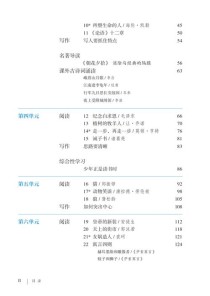
九年级英语人教版课文重点难点是什么?
校园之窗 2026年1月26日 06:06:37 99ANYc3cd6
较多,我无法在此处完整列出所有课文原文(这涉及版权问题),我可以为您提供一个非常详细的课文目录、核心主题、重点词汇和句型,并选取一些典型课文片段进行展示,这足以帮助您了解全貌并进行重点复习。
九年级英语人教版整体概览
九年级的英语学习重点在于:

- 综合语言运用能力:听说读写全面发展。
- 复杂语法结构:如被动语态、定语从句、非谓语动词等。
- 话题广度与深度:涉及文化、科技、环境、社会、个人成长等更贴近现实生活的主题。
- 词汇量扩大:要求掌握更多核心词汇和短语。
教材通常分为九年级上册和九年级下册。
九年级上册 Units 1-14 课文概览
| 单元 | 核心话题 | 重点语法 | 重点词汇/短语 |
|---|---|---|---|
| Unit 1 How can we become good learners? | 学习方法 | by doing sth. (通过做某事) | textbook, conversation, aloud, pronunciation, sentence, patient, expression, discover, secret, look up, grammar, repeat, note, friend, soft, |
| Unit 2 I think that mooncakes are delicious! | 节日与习俗 | 宾语从句 (that, if/whether) | mooncake, lantern, relative, pound, celebrate, haircut, business, gift, present, warm, greet, Christmas, decorate, wander, |
| Unit 3 Could you please tell me where the restrooms are? | 问路与指路 | 宾语从句 (特殊疑问词引导) | restroom, stamp, bookstore, besides, mail, forward, straight, correct, polite, request, direct, order, impolite, |
| Unit 4 I used to be afraid of the dark. | 过去与现在的变化 | used to do sth. (过去常常做某事) | insect, spider, courage, private, guard, require, influence, grade, level, power, exam, scientific, knowledge, |
| Unit 5 What are the shirts made of? | 物品的制作材料 | 被动语态 (一般现在时/过去时) | fork, blade, chopstick, coin, spoon, cotton, steel, silver, glass, boss, France, Germany, surface, even, |
| Unit 6 When was it invented? | 发明与创造 | 被动语态 (一般过去时) | invent, pioneer, list, calculate, operate, translate, lock, strange, accidental, by mistake, ruler, scoop, fry, |
| Unit 7 Teenagers should be allowed to choose their own clothes. | 规则与许可 | 情态动词的被动语态 (should be allowed to) | license, safety, smoke, pier, cry, field, hug, lift, awful, regret, poem, community, chance, manage, |
| Unit 8 It must belong to Carla. | 推理与猜测 | 情态动词表推测 (must, might, could, can't) | belong, plate, truck, picnic, rabbit, picnic, noise, neighbor, interview, nervous, anxious, worried, |
| Unit 9 I like music that I can dance to. | 喜好的事物 | 定语从句 (that, which, who) | prefer, lyric, gentle, electronic, spare, express, director, line, documentary, drama, so that, take...seriously, |
| Unit 10 You're supposed to shake hands. | 文化习俗与礼仪 | be supposed to do sth. (应该做某事) | custom, bow, kiss, greet, value, capital, noon, mad, get mad, basic, table, manners, fork, |
| Unit 11 Sad movies make me cry. | 情感与影响 | make sb. do sth. / make sb. adj. | power, influence, instead, unless, suggest, push, exam, friendship, drive, trust, care, friendship, |
| Unit 12 Life is full of the unexpected. | 意外事件 | 过去完成时 | unexpected, by the time, block, oversleep, ring, off, give...a lift, lock, empty, realize, |
| Unit 13 We're trying to save the earth! | 环境保护 | 现在进行时表将来 | litter, bottom, fisherman, coal, ugly, advantage, cost, plastic, takeaway, bin, reuse, recycle, |
| Unit 14 I remember meeting all of you in Grade 7. | 回忆与展望 | remember/forget doing sth. | freshman, look forward to, congratulate, task, separate, level, challenge, experience, proud, |
九年级下册 Units 15-18 课文概览
| 单元 | 核心话题 | 重点语法 | 重点词汇/短语 |
|---|---|---|---|
| Unit 15 We're trying to save the earth! | 环境问题 | 现在进行时表将来 | pollution, litter, bottom, fisherman, coal, ugly, advantage, cost, plastic, takeaway, bin, reuse, recycle, |
| Unit 16 What's your favorite movie? | 电影与音乐 | 复习定语从句,谈论喜好 | action movie, drama, comedy, documentary, superhero, classic, photography, famous, award, prize, |
| Unit 17 What do you think of game shows? | 谈论观点 | 表达喜好的句型 (What do you think of...?) | game show, situation comedy, sitcom, news, soap opera, mind, stand, agree, disagree, host, |
| Unit 18 It's a nice day, isn't it? | 小对话与闲聊 | 反意疑问句 | small talk, weather, forecast, report, expect, noon, block, crowded, touch, push, get close to, |
典型课文片段示例
以下是一些单元中非常经典和重要的课文片段,可以帮助您感受课文的语言风格和核心内容。
示例 1: Unit 1 (学习方法)
对话片段:
Anne: I’m having trouble learning English. What should I do? Peter: You should listen to English tapes every day. You can also read English magazines. Anne: That’s a good idea. But what about listening? I can’t understand the people when they talk fast. Peter: Maybe you should find a conversation partner and practice with him. Also, don’t be afraid to make mistakes. Everyone makes mistakes. Anne: OK. I’ll try that. Thanks for your advice.
(图片来源网络,侵删)

核心句型:
What should I do?(我该怎么办?)You should...(你应该...)What about...?(......怎么样?)Maybe you should...(也许你应该...)Don't be afraid to...(不要害怕去做...)
示例 2: Unit 4 (过去与现在的变化)
阅读文章片段:
Many people have changed a lot over the years. I used to be afraid of the dark. I also used to hate tests. Now, I’m not afraid of the dark anymore, and I don’t mind tests. I used to have short hair, but now I have long hair. I used to be quiet, but now I’m much more outgoing. My best friend, Li Wen, has also changed a lot. He used to be short and thin, but now he is tall and strong. He used to be shy, but now he is very brave and likes to talk to people.
核心句型:

used to do sth.(过去常常做某事) - 表示过去的习惯或状态,现在已改变。don't... anymore(不再...) - 表示现在的情况。be different from...(与...不同)
示例 3: Unit 6 (发明与创造)
阅读文章片段:
Do you know when basketball was invented? It was invented by a Canadian doctor named James Naismith in 1891. He was asked to invent a game that could be played indoors during the long winters. The first game was played with a soccer ball. Two teams had nine players each. They used two baskets as the goals. The baskets were placed on the walls. Players had to throw the ball into the baskets. This was difficult because the baskets were not netted. After a goal was scored, someone had to climb up to get the ball.
核心语法 (被动语态):
Basketball was invented...(篮球被发明...)It was asked to invent...(他被要求去发明...)The first game was played with...(第一场比赛是用...进行的)Two baskets were placed on the walls.(两个篮筐被放在墙上。)
示例 4: Unit 9 (定语从句)
阅读文章片段:
I like music that I can dance to. I prefer music that has great lyrics. I like music that isn't too loud. My friend Tina loves music that she can sing along with. She likes music that is made by groups. She thinks music that is quiet makes her feel relaxed.
核心语法 (定语从句):
music that I can dance to(我可以跟着跳舞的音乐) -that指代music,在从句中作dance to的宾语。music that has great lyrics(有优美歌词的音乐) -that指代music,在从句中作主语。music that isn't too loud(不太响的音乐)music that she can sing along with(她可以跟着唱的音乐)
如何有效利用这些信息进行复习
- 按单元梳理:对照上面的表格,逐个单元回顾自己学了什么话题,掌握了哪些语法和词汇。
- 重点突破:对于标记为重点语法的部分(如被动语态、定语从句、宾语从句),一定要找对应的练习题进行巩固。
- 背诵重点句型和对话:像示例中的对话和文章片段,是口语和写作的绝佳素材,尝试背诵并模仿造句。
- 主题词汇归类:将同一主题的词汇(如节日、环保、电影)整理在一起,方便记忆和写作时调用。
- 回归课本:以上信息是提纲挈领的,最好的复习材料依然是课本本身,建议重新阅读课文,加深理解。
希望这份详细的指南对您有帮助!如果您对某个特定的单元、语法点或课文内容有更深入的问题,随时可以再提问。