人教版八年级英语重点难点如何突破?
校园之窗 2026年1月22日 06:11:06 99ANYc3cd6
整体概述
- 教材版本: 通常指 人教版 Go for it!,这是中国大陆地区最广泛使用的初中英语教材之一。
- 学期划分: 八年级上册 和 八年级下册。
- 核心目标:
- 词汇量: 大幅增加,要求掌握约 300-400 个新单词和 100-150 个新短语。
- 语法: 学习更复杂的时态、语态、从句等核心语法项目。
- 技能: 提升听、说、读、写的综合能力,特别是阅读理解和书面表达。
- 话题: 围绕学生熟悉的生活场景展开,如日常生活、兴趣爱好、交通、健康、环境等。
八年级上册 核心内容与重点
Unit 1: Where did you go on vacation?
- 重点话题: 谈论过去的假期经历。
- 核心语法:
- 一般过去时 的全面复习与巩固。
- 复合不定代词:
someone, anyone, everyone, no one等。
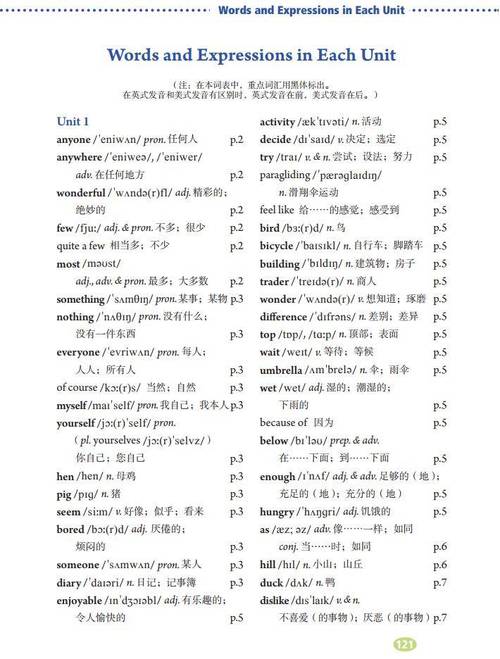
- 核心词汇:
vacation, beach, pool, test, center, decide, try, paragliding, feel, bird, bicycle, building, trader, wonder, difference, top, wait, wait for, umbrella, wet, below, enough, duck, dislike, because of。 - 核心句型:
- — Where did you go on vacation? — I went to New York City.
- — Did you go out with anyone? — No. No one was here. Everyone was on vacation.
Unit 2: How often do you exercise?
- 重点话题: 讨论日常活动和频率。
- 核心语法:
- 频率副词:
always, usually, often, sometimes, hardly ever, never。 - How often` 引导的特殊疑问句。
- 助动词
do/does的一般现在时疑问句和否定句。
- 频率副词:
- 核心词汇:
exercise, skateboarding, junk food, coffee, health, habit, sleep, grade, better, same, as, different, maybe, less, than, unhealthy, yuck, magazine, however, than, although, through, mind, body。 - 核心句型:
- — What do you usually do on weekends? — I often exercise.
- — How often do you eat vegetables? — I eat vegetables every day.
Unit 3: I'm more outgoing than my sister.
- 重点话题: 比较人物和事物。
- 核心语法:
- 形容词和副词的比较级:
-er/more+ 形容词/副词。 - 同级比较:
as...as...。
- 形容词和副词的比较级:
- 核心词汇:
outgoing, better, loudly, quietly, hard-working, competition, fantastic, which, clearly, win, though, touch, become, fact, primary, care, friendship, similar, both, should, break, mirror, rather, than, take a break, touch。 - 核心句型:
- — Is that Tara? — No, it's Tina. Tina is taller than Tara.
- — Are you as friendly as your sister? — I'm a little friendlier than her.
Unit 4: What's the best movie theater?
- 重点话题: 讨论并比较地点和事物。
- 核心语法:
- 形容词和副词的 最高级:
-est/most+ 形容词/副词。 the best/worst/most...结构。
- 形容词和副词的 最高级:
- 核心词汇:
theater,comfortable,seat,screen,close,ticket,worst,cheaply,song,DJ,reporter,so far,fresh,comfortable,seat,screen,close,ticket,worst,cheaply,song,DJ,reporter,so far。 - 核心句型:
- — What's the best movie theater? — Sun Cinema. It's the closest to home.
- — Which is the best clothes store? — Dream Clothes. It has the best quality.
Unit 5: Do you want to watch a game show?
- 重点话题: 谈论电视节目和偏好。
- 核心语法:
- 情态动词
want to / hope to / would like to。 that引导的宾语从句 (初步接触)。
- 情态动词
- 核心词汇:
sitcom, news, soap opera, sports show, game show, talk show, educational, plan, expect, happen, joke, find out, take, famous, appear, become, rich, might, culture, famous, appear, become, rich, might, culture。 - 核心句型:
- — Do you want to watch the news? — No, I don't. I want to watch a sitcom.
- — What do you think of talk shows? — I love watching them.
Unit 6: I'm watching TV.
- 重点话题: 描述正在发生的动作。
- 核心语法:
- 现在进行时:
am/is/are + V-ing。 - 现在进行时表将来 (如:
I'm leaving for Beijing tomorrow.)。
- 现在进行时:
- 核心词汇:
use, soup, wash, movie, just, kitchen, delicious, love, miss, wish,Germany, study, state, American, history, delicious, love, miss, wish, Germany, study, state, American, history。 - 核心句型:
- — What are you doing? — I'm watching TV.
- — Are you doing your homework? — Yes, I am. / No, I'm not. I'm cleaning my room.
Unit 7: People are celebrating.
- 重点话题: 描述节日和庆典的场景。
- 核心语法:
- 现在进行时 (综合运用)。
- 现在进行时 vs. 一般现在时 的对比。
- 核心词汇:
Christmas, decorate, put up, lights, stocking, lie, lie in bed, father, Santa Claus, deliver, present, merry, Christmas, Eve, turkey, pumpkin, pie, celebrate, get together, lead, lead to, relative, cake, candy, lucky, celebrate, get together, lead, lead to, relative, cake, candy, lucky。 - 核心句型:
- — What are they doing? — They're putting up Christmas lights.
- — Are you waiting for your friends? — Yes, we are.
Unit 8: How do you get to school?
- 重点话题: 讨论交通方式和出行时间。
- 核心语法:
- How` 引导的特殊疑问句 (询问方式、时间、距离等)。
take+ a/an + 交通工具 + to...` 结构。
- 核心词汇:
transportation, subway, train, bus, bike, walk, sixty, seventy, eighty, ninety, hundred, minute, far, kilometer, new, stop, think of, station, early,transportation, subway, train, bus, bike, walk, sixty, seventy, eighty, ninety, hundred, minute, far, kilometer, new, stop, think of, station, early。 - 核心句型:
- — How do you get to school? — I ride my bike.
- — How long does it take? — It takes about 15 minutes.
Unit 9: Can you come to my party?
- 重点话题: 发出、接受和拒绝邀请。
- 核心语法:
- 情态动词
can/can't的用法 (请求许可、邀请)。 have to的用法 (表示义务)。
- 情态动词
- 核心词汇:
prepare, exam, flu, available, another, weekday, the day after tomorrow, look after, invitation, turn down, without, another, weekday, the day after tomorrow, look after, invitation, turn down, without。 - 核心句型:
- — Can you come to my party on Saturday afternoon? — Sure, I'd love to.
- — I'm sorry, I can't. I have to study for a test.
Unit 10: If you go to the party, you'll have a great time.
- 重点话题: 谈论假设和结果。
- 核心语法:
if引导的条件状语从句 (第一类条件句):If + 主语 + 一般现在时, 主语 + will + 动词原形...。
- 核心词汇:
organize, potato chips, chocolate, upset, taxi, advice, travel, agent, expert, journey, make a living, Thailand, bring, pass, exam, friendship,organize, potato chips, chocolate, upset, taxi, advice, travel, agent, expert, journey, make a living, Thailand, bring, pass, exam, friendship。 - 核心句型:
- — If you do, you'll have a great time.
- — If you don't want to go, you can tell him.
八年级下册 核心内容与重点
八年级下册的语法难度和词汇量都有显著提升,尤其是被动语态和定语从句,是中考的重中之重。
Unit 1: What's the matter?
- 重点话题: 描述健康问题和提出建议。
- 核心语法:
What's the matter?/What's wrong?句型。- 情态动词
should/shouldn't的用法。 have/has的用法 (表示患病)。
- 核心词汇:
matter, sore, have a cold, have a fever, have a stomachache, have a toothache, have a headache, rest, honey, dentist, should, shouldn't, advice, expect, traditional, believe, balance, yin, yang, weak, herb,matter, sore, have a cold, have a fever, have a stomachache, have a toothache, have a headache, rest, honey, dentist, should, shouldn't, advice, expect, traditional, believe, balance, yin, yang, weak, herb。
Unit 2: I'll help to clean up the city parks.
- 重点话题: 谈论志愿服务和慈善活动。
- 核心语法:
- 动词不定式作宾语、宾语补足语、目的状语。
- 核心词汇:
clean up, cheer up, give out, come up with, put off, write down, call up, hand out, care for, volunteer, sign, notice, lonely, several, strong, feeling, satisfaction, joy, owner, journey, train, raise, money,clean up, cheer up, give out, come up with, put off, write down, call up, hand out, care for, volunteer, sign, notice, lonely, several, strong, feeling, satisfaction, joy, owner, journey, train, raise, money。
Unit 3: Could you please clean your room?
- 重点话题: 请求许可和做家务。
- 核心语法:
- 情态动词
could和can请求许可的用法。 make和do的区别。
- 情态动词
- 核心词汇:
chores, sweep, floor, mess, throw, fold, laundry, dish, sink, take out the trash, living room, borrow, invite, move, hate, do the dishes, take out the trash, fold the clothes, sweep the floor,chores, sweep, floor, mess, throw, fold, laundry, dish, sink, take out the trash, living room, borrow, invite, move, hate, do the dishes, take out the trash, fold the clothes, sweep the floor。
Unit 4: Why don't you talk to your parents?
- 重点话题: 提出建议和谈论人际关系。
- 核心语法:
Why don't you...?/Why not...?句型。instead of的用法。
- 核心词汇:
instead, argue, communicate, communicate with, relation, communicate, nervous, usual, perhaps, get on (well) with, explain, clear, offer, communicate, nervous, usual, perhaps, get on (well) with, explain, clear, offer。 - 核心句型:
- — I'm really upset. — Why don't you talk to him about it?
- — You should talk to someone so that you don't worry about it.
Unit 5: What were you doing when the rainstorm came?
- 重点话题: 谈论过去某个时间点正在发生的事情。
- 核心语法:
- 过去进行时:
was/were + V-ing。 when和while引导的时间状语从句。
- 过去进行时:
- 核心词汇:
rainstorm, suddenly, alarm, begin, heavily, suddenly, pick up, strange, report, area, wood, window, flashlight, beat, heavily, against, asleep,rainstorm, suddenly, alarm, begin, heavily, suddenly, pick up, strange, report, area, wood, window, flashlight, beat, heavily, against, asleep。
Unit 6: An old man tried to move the mountains.
- 重点话题: 讲述神话传说和故事。
- 核心语法:
unless引导的条件状语从句。as soon as引导的时间状语从句。- 故事叙述时常用的一般过去时。
- 核心词汇:
shoot,stone,weak,god,remind,bit,silly,instead,turn...into...,excite,finish,once upon a time,as soon as,get married,be born,remind sb. of sth.。 - 核心句型:
- — What do you think of the story? — I think it's really exciting.
- — Unless he tries to move the mountains, he won't be able to see his wife.
Unit 7: What's the highest mountain in the world?
- 重点话题: 谈论自然地理和世界之最。
- 核心语法:
- 形容词和副词的 最高级 (复习与拓展)。
one of the + 最高级 + 复数名词结构。
- 核心词汇:
square,meter,deep,desert,population,tour,wall,Asia,tourist,successful,achieve,challenge,spirit,force,even though,take in,in the face of,nature,achieve,challenge,spirit,force,even though,take in,in the face of,nature。 - 核心句型:
- — What's the highest mountain in the world? — It's Qomolangma.
- — How deep is the lake? — It's about 505 meters deep.
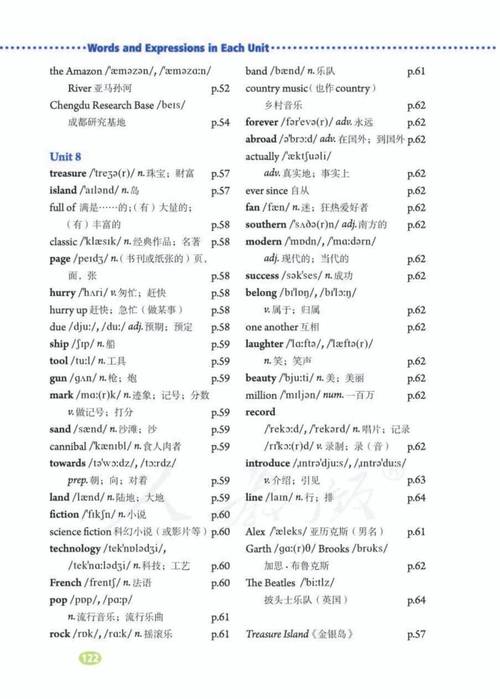
Unit 8: Have you read Treasure Island yet?
- 重点话题: 讨论读书经历和分享感受。
- 核心语法:
- 现在完成时:
have/has + 动词过去分词。 already,yet,just,ever,never的用法。
- 现在完成时:
- 核心词汇:
treasure,island,classic,page,already,yet,finish,full,hurry,due,ship,tool,gun,mark,sand,else,on the island,wait for,give up,grow up,be full of,in the end。 - 核心句型:
- — Have you read Little Women yet? — Yes, I have. I finished it last week.
- — What do you think of it? — I think it's fantastic.
Unit 9: Have you ever been to a museum?
- 重点话题: 谈论过去的旅行经历。
- 核心语法:
- 现在完成时 (综合运用)。
been to与gone to的区别。
- 核心词汇:
amusement,park,space,cinema,museum,boat,take,subway,invention,unbelievable,encourage,invent,imagine,introduce,guide,quick,crowd,outdoor,depend on,on the one hand... on the other hand...。 - 核心句型:
- — Have you ever been to a science museum? — Yes, I have. / No, I haven't.
- — How did you go there? — I took the subway.
Unit 10: I've had this bike for three years.
- 重点话题: 谈论持续到现在的状态或动作。
- 核心语法:
- 现在完成时 (
for和since引导的时间状语)。 have表示“拥有”与have been表示“处于某种状态”的区别。
- 现在完成时 (
- 核心词汇:
yard,sale,sweet,memories,board,certain,check,honest,brand,part,cent,toy,bear,soft,partner,own,owner,factory,product,welcome,million,company,close down,no longer,dream of,to be honest。 - 核心句型:
- — How long have you had that bike over there? — I've had it for three years.
- — Have you ever played basketball? — Yes, I have. I played for two years.
学习与备考建议
-
词汇是基础:
- 滚动记忆法: 每天背新单词,同时复习前一天的单词,利用艾宾浩斯遗忘曲线。
- 语境记忆法: 不要孤立背单词,把单词放到课文和句子中去理解和记忆。
- 分类记忆法: 将同义词、反义词、同类词(如关于食物、运动的词)放在一起记。
- 词性转换: 重点掌握一个单词的不同词性,如
decide(v.) ->decision(n.)。
-
语法是骨架:
- 理解为主,练习为辅: 先理解每个语法的概念和构成,再做大量的专项练习。
- 建立错题本: 把做错的语法题抄下来,旁边写上正确答案和错误原因,定期复习。
- 对比学习: 容易混淆的语法点要对比着学,如
一般过去时vs现在完成时,be used tovsused to。
-
听力和阅读是关键:
- 听力: 每天坚持听教材配套录音,可以尝试做“跟读”和“复述”练习,泛听和精听结合。
- 阅读: 每天做1-2篇阅读理解,分析长难句结构,积累好词好句,注意培养根据上下文猜词的能力。
-
写作是综合能力的体现:
- 模仿和背诵: 背诵课文中的优秀段落和范文,学习地道的表达方式。
- 坚持写日记或周记: 从简单的几句话开始,逐步增加篇幅和复杂度。
- 注意卷面和书写: 中考作文是“印象分”,整洁的卷面非常重要。
-
利用好课本和配套资源:
- 课本是最好的资料: 吃透每一篇课文,掌握所有知识点。
- 练习册和单元测试: 认真完成,这是检验学习效果最直接的方式。
- 在线资源: 可以利用一些学习APP(如“百词斩”、“有道词典”)、B站上的教学视频等作为辅助。
希望这份详细的总结对你有帮助!八年级英语内容多、难度大,但只要坚持每天积累,找到适合自己的学习方法,一定能取得优异的成绩!加油!