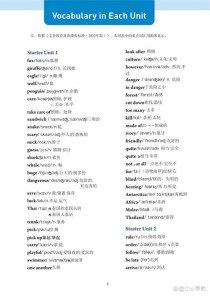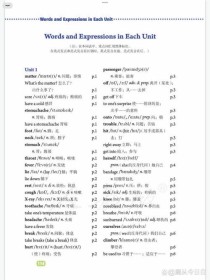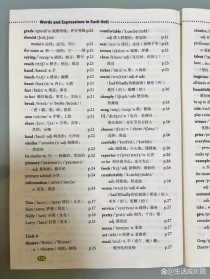
七年级下英语期末复习
校园之窗 2026年1月4日 02:25:48 99ANYc3cd6
第一部分:核心考点梳理
七年级下册的核心内容主要围绕“一般过去时”和“情态动词”展开,同时继续巩固和拓展一般现在时和一般将来时,以下是各单元的重点语法和词汇。
Unit 1: Can you play the guitar?
- 核心语法:情态动词
can的用法- 肯定句:
主语 + can + 动词原形 + ...- 例:
I can play the piano.
- 例:
- 否定句:
主语 + can't (cannot) + 动词原形 + ...- 例:
He can't swim.
- 例:
- 一般疑问句:
Can + 主语 + 动词原形 + ...?- 肯定回答:
Yes, 主语 + can.(e.g.,Yes, I can.) - 否定回答:
No, 主语 + can't.(e.g.,No, she can't.)
- 肯定回答:
- 特殊疑问句:
What + can + 主语 + do?(询问能力)- 例:
What can you do for the school show?
- 例:
- 肯定句:
- 核心词汇:
- 能力类:
sing, dance, swim, draw, play chess, speak English, play the guitar/piano/violin/drums - 加入类:
join(加入组织/俱乐部),be in(在...里,表示状态) - 其他:
tell stories, kung fu, show, or, talk, rock band
- 能力类:
Unit 2: What time do you go to school?
- 核心语法:一般现在时(用于日常作息习惯)
- 肯定句:
主语 + 动词原形/第三人称单数形式 + ...- 例:
I get up at 6:30./He gets up at 6:30.
- 例:
- 否定句:
主语 + don't/doesn't + 动词原形 + ...- 例:
I don't get up early./He doesn't get up early.
- 例:
- 一般疑问句:
Do/Does + 主语 + 动词原形 + ...?- 肯定回答:
Yes, 主语 + do/does.(e.g.,Yes, I do.) - 否定回答:
No, 主语 + don't/doesn't.(e.g.,No, he doesn't.)
- 肯定回答:
- 肯定句:
- 核心词汇:
- 时间:
time, morning, afternoon, evening - 日常活动:
go to school, get up, run, eat breakfast, take a shower, go to work, go home, do homework, go to bed - 时间表达:
o'clock, a quarter/half past/to, at ... - 副词:
usually, always
- 时间:
Unit 3: How was your school trip?
- 核心语法:一般过去时
- 定义: 表示过去某个时间发生的动作或存在的状态。
- 肯定句:
主语 + 动词的过去式 + ...- 例:
I went to the beach yesterday.
- 例:
- 否定句:
主语 + didn't + 动词原形 + ...- 例:
She didn't have a good time.
- 例:
- 一般疑问句:
Did + 主语 + 动词原形 + ...?- 肯定回答:
Yes, 主语 + did.(e.g.,Yes, they did.) - 否定回答:
No, 主语 + didn't.(e.g.,No, he didn't.)
- 肯定回答:
- 特殊疑问句:
What/Where/When/How + did + 主语 + 动词原形 + ...?- 例:
What did you do last weekend?
- 例:
- 不规则动词过去式(重点记忆!):
go - went,see - saw,eat - ate,take - took,buy - bought,have - had,do - did,get - got,is/am - was,are - were,see - saw,visit - visited,study - studied,stop - stopped(规则动词)
- 核心词汇:
- 活动:
go for a walk, go fishing, go shopping, visit a museum - 评价:
interesting, boring, fun, exciting, great, fantastic, terrible, awful - 其他:
milk, ice cream, yogurt, cheese, farm, farmer
- 活动:
Unit 4: I want to be an actor.
- 核心语法:
want to be和work aswant to be: 想要成为...- 例:
He wants to be a doctor.
- 例:
work as: 作为...工作- 例:
My mother works as a teacher.
- 例:
- 描述工作:
It's an exciting/dangerous/boring job.
- 核心词汇:
- 职业:
actor, actress, artist, cleaner, doctor, driver, farmer, nurse, police officer, reporter, waiter, musician - 地点:
hospital, restaurant, school, bank, hotel, police station - 形容词:
busy, exciting, difficult, dangerous, fun
- 职业:
Unit 5: I'm watching TV.
- 核心语法:现在进行时
- 定义: 表示说话时正在进行的动作或当前一段时间内的活动。
- 结构:
主语 + am/is/are + 动词的-ing形式 + ... - 现在分词的构成(规则):
- 一般直接加-ing:
do - doing,ask - asking - 不发音的e结尾,去e加-ing:
write - writing,make - making - 重读闭音节结尾,双写末尾辅音字母再加-ing:
run - running,swim - swimming,sit - sitting
- 一般直接加-ing:
- 常见标志词:
now, look, listen, right now
- 核心词汇:
- 活动:
doing homework, watching TV, cleaning, reading a newspaper, talking on the phone, using the computer, making soup, washing the dishes,exercising,having a party - 地点:
at home, in a supermarket, at a mall, in a library
- 活动:
Unit 6: It's raining!
- 核心语法:现在进行时(描述天气)
- 结构:
It's + 动词ing. - 例:
It's raining.,It's snowing.,It's windy.,It's sunny.
- 结构:
- 核心词汇:
- 天气:
sunny, cloudy, rainy, windy, snowy, hot, cold, cool, warm, weather - 描述感受:
This is a great day for taking a walk!,How's the weather?,It's terrible.
- 天气:
Unit 7-12 (根据教材版本可能有所不同,但核心类似)
通常会围绕以下主题展开:
- 过去进行时:
was/were + doing(过去某个时间点正在进行的动作) - 一般将来时:
will + do或be going to + do(计划或预测未来) - 情态动词
should:should + do(提出建议) - 比较级和最高级:
er/est或more/most(描述比较) - 方位介词:
in, on, under, behind, next to, between...and...
第二部分:高效复习方法
-
回归课本,梳理知识体系
- 过一遍目录: 快速浏览各单元标题,回忆每个单元的主题和核心语法。
- 重读课文: 重点读一遍每单元的对话和短文,在语境中巩固单词和句型。
- 精看语法: 仔细阅读课本上的语法讲解部分,确保理解每个时态的结构和用法。
-
整理笔记,建立知识网络
- 制作语法思维导图: 将“一般现在时”、“一般过去时”、“现在进行时”等时态的结构、肯定/否定/疑问句式、标志词用思维导图画出来,一目了然。
- 单词分类记忆: 将单词按主题(如职业、食物、活动、天气)或词性(动词、名词、形容词)整理到笔记本上,方便集中记忆。
- 错题本是法宝: 把平时作业和测验中的错题抄录下来,旁边写上正确答案和解析,考前重点看错题本,避免再犯同类错误。
-
专项突破,攻克薄弱环节
- 听力: 每天坚持听15-20分钟,可以听课本录音、英文歌曲或简单的动画片,练习时注意抓取关键词(时间、地点、人物、事件)。
- 单选/语法填空: 专门针对时态、情态动词、介词等语法点进行集中练习,做完后要分析为什么对,为什么错。
- 完形填空/阅读理解: 每天做1-2篇,注意上下文的联系,学会通过语境猜测词义,做完后对答案,把不认识的单词和好的句型积累下来。
- 写作: 这是很多同学的难点。
- 背诵范文: 背诵几篇优秀的范文(如自我介绍、描述一次旅行、介绍自己的家庭等),积累好词好句。
- 仿写练习: 模仿范文的结构和句型来写自己的作文。
- 练习不同话题: 每周写1-2篇不同话题的作文,如写人、写事、写物、写计划等。
- 注意书写和卷面: 保持卷面整洁,会给阅卷老师留下好印象。
-
模拟实战,调整考试节奏
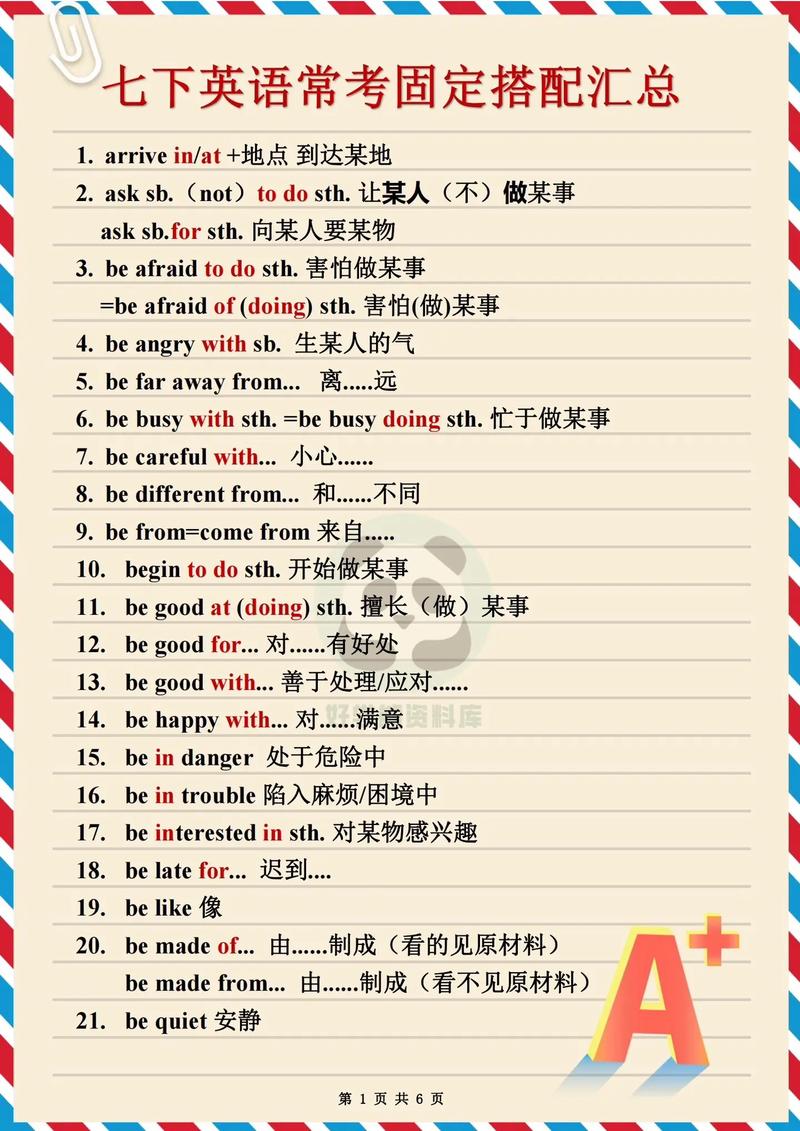 (图片来源网络,侵删)
- 找一套完整的模拟题,在规定时间内完成,模拟真实考试环境。
- 合理分配时间: 通常听力(20分钟)-> 单选(10分钟)-> 完形(10分钟)-> 阅读(20分钟)-> 写作(20分钟),根据自己情况调整。
- 学会取舍: 遇到难题不要纠结,先做后面的,确保会做的都拿到分。
第三部分:模拟题练习(精选)
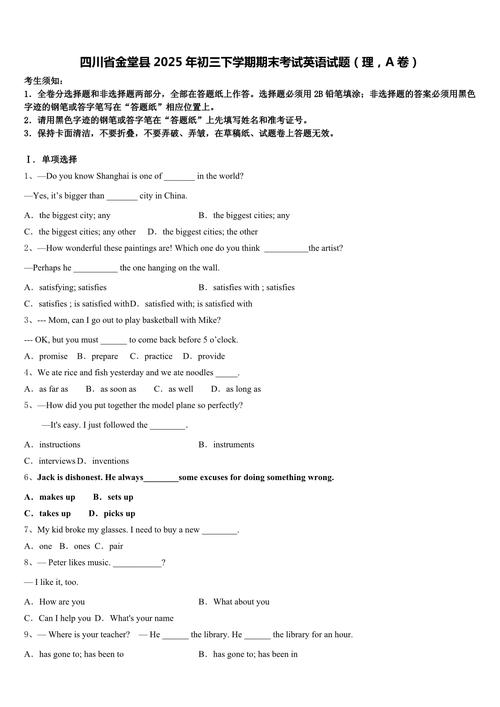
单项选择
-
—__ you play the violin? —Yes, I can. A. Can B. Do C. Are
-
He __ to school by bike every day. A. go B. goes C. went
-
—What __ your father do last night? —He __ TV. A. did, watched B. did, watch C. does, watch
-
Listen! Someone __ in the next room. A. sings B. sang C. is singing
 (图片来源网络,侵删)
 -
I want to be an engineer when I __ up. A. grow B. grew C. will grow
完形填空
It was a sunny Saturday. Tom and his family 1 __ to the countryside. They 2 __ a farm there. On the farm, they saw many animals. 3 __ were cows, sheep and chickens. Tom's father bought some fresh milk and 4 __. His mother bought some vegetables. They were very cheap. Tom 5 __ with a little dog. He was very happy. They had a great time.
- A. go B. went C. are going
- A. visit B. visited C. visits
- A. It B. They C. There
- A. eggs B. egg C. bread
- A. plays B. played C. is playing
阅读理解
My name is Lily. Last weekend, I had a busy but happy time. On Saturday morning, I did my homework. In the afternoon, I went to the library to read some books. It was very quiet there. On Sunday, I visited my grandparents with my parents. My grandma cooked a big lunch for us. The food was delicious. In the evening, I watched a movie with my family. We all laughed a lot. I love my weekend!
-
What did Lily do on Saturday morning? A. She visited her grandparents. B. She did her homework. C. She watched a movie.
-
Where did Lily go on Saturday afternoon? A. To the library. B. To the cinema. C. To her grandparents' home.
-
Who cooked lunch on Sunday? A. Lily's mother. B. Lily's grandma. C. Lily.
-
How was Lily's weekend? A. Boring. B. Busy but happy. C. Tiring.
词汇运用
- My father is a __ (drive). He drives a bus.
- It's __ (sun) today. Let's go out and play.
- She __ (buy) a new dress yesterday.
- Look! The students are __ (have) an English class.
- I want to join the music __ (club).
书面表达
假设你是李华,请根据下面的提示,写一篇60词左右的短文,介绍你上个星期天做了什么。 提示:
- Last Sunday, weather (sunny)
- morning, do homework
- afternoon, play basketball with friends
- evening, watch TV with family
第四部分:常见问题解答 (FAQ)
Q1: 时态总是搞混,怎么办? A1: “抓标志词”是关键!
- 一般现在时:
every day, usually, always, often(习惯性动作) - 一般过去时:
yesterday, last night/week/month, ... ago(过去的时间点) - 现在进行时:
now, look, listen, right now(正在发生) - 一般将来时:
tomorrow, next week, in the future, will/be going to(未来计划或预测)
把每个时态的“标志词”背熟,看到它们就知道该用什么时态。
Q2: 单词总是记不住,背了就忘? A2: “多感官+多重复”是王道。
- 大声读: 调动听觉和发音器官。
- 动手写: 好记性不如烂笔头。
- 放到句子里: 孤立地记单词效率低,把它放到一个完整的句子中去理解和记忆。
- 艾宾浩斯遗忘曲线: 在背完单词后的第1天、第2天、第4天、第7天、第15天进行复习,效果会好很多。
Q3: 英语作文写不出来,或者写得很简单? A3: “模仿+积累”是捷径。
- 从课本和范文开始: 把课文里的好句子、好短语抄下来,尝试用在你的作文里,比如描述天气,可以用
It's a great day for...。 - 使用连接词: 让文章更有逻辑,如
and, but, so, because, first, then, finally。 - 保证基本正确: 宁可用简单的句子写对,也不要用复杂的句子写错,时态、单复数、主谓一致是基础。
保持积极的心态! 复习是一个过程,不要焦虑,按计划一步一个脚印来,相信自己的努力,祝你期末考试取得优异的成绩!加油!