八年级上册英语2025教材内容有哪些变化?
校园之窗 2025年12月28日 20:51:35 99ANYc3cd6
,包括单元主题、重点语法、核心词汇和常用句型,方便你复习和预习。
教材整体结构
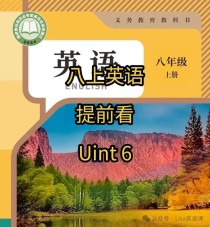
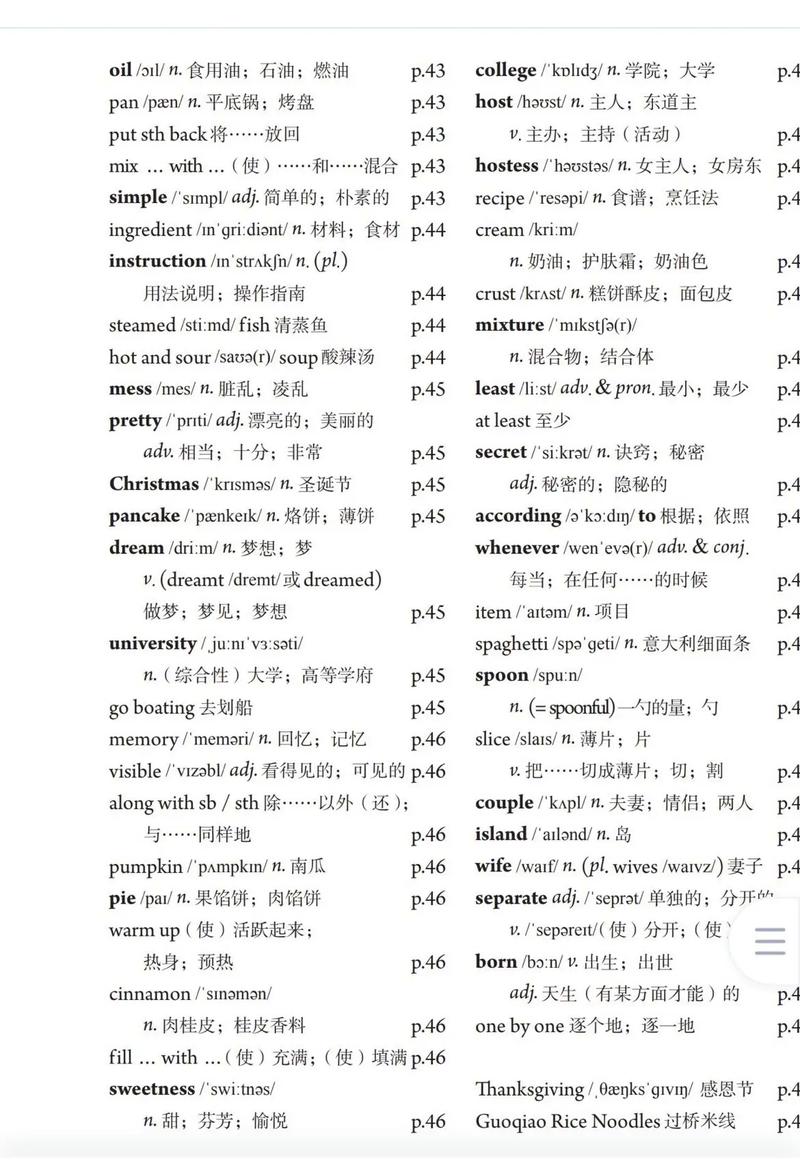
八年级上册共包含10个单元和2个复习单元(Review of units 1-3 和 Review of units 4-6)。
(图片来源网络,侵删)
各单元核心内容详解
Unit 1: Where did you go on vacation? (你去哪里度假了?)
- 主题: 谈论过去的假期经历。
- 核心语法:
- 一般过去时: 这是本单元的重点。
- 构成:
主语 + 动词过去式 + 其他 - 动词过去式规则变化:
play->played,study->studied,stop->stopped - 动词过去式不规则变化:
go->went,see->saw,eat->ate,buy->bought,do->did
- 构成:
- 不定代词:
someone,anyone,everyone,something,anything,nothing
- 一般过去时: 这是本单元的重点。
- 核心词汇:
- 动词:
go,visit,stay,go fishing,go hiking,buy,get - 名词:
vacation,beach,museum,palace,food,tea,difference,wait,umbrella - 形容词:
delicious,expensive,inexpensive,cheap,crowded,famous,fantastic
- 动词:
- 常用句型:
—Where did you go on vacation? —I went to New York City.—Did you go with anyone? —Yes, I did. / No, I didn't.—How was the food? —It was delicious.—What did you do? —I went to the beach.
Unit 2: How often do you exercise? (你多久锻炼一次?)
- 主题: 谈论日常活动频率。
- 核心语法:
- 频率副词:
always,usually,often,sometimes,hardly ever,never - How often` 引导的特殊疑问句:
How do you...?,How does he/she...? Let's...句型: 提出建议。
- 频率副词:
- 核心词汇:
- 动词:
exercise,go shopping,watch TV,use the Internet,get up - 名词:
habit,lifestyle,junk food,coffee,health,result - 形容词/副词:
healthy,unhealthy,program,high,maybe
- 动词:
- 常用句型:
—What do you usually do on weekends? —I often go shopping.—How often do you exercise? —I exercise every day.—How many hours do you sleep every night? —I sleep nine hours.My mother's lifestyle is pretty healthy.
Unit 3: I'm more outgoing than my sister. (我比我姐姐更外向。)
- 主题: 对人物进行对比。
- 核心语法:
- 形容词和副词的比较级:
- 构成规则:
- 一般直接加
-er:tall->taller - 以
e结尾加-r:nice->nicer - 以“辅音+y”变
y为i再加-er:happy->happier - 重读闭音节,双写末尾辅音再加
-er:big->bigger
- 一般直接加
- 不规则变化:
good/well->better,many/much->more,far->farther/further
- 构成规则:
than的用法: 用于比较两者。
- 形容词和副词的比较级:
- 核心词汇:
- 形容词:
outgoing,better,loudly,quietly,hard-working,serious,funny,athletic - 副词:
loudly,quietly - 短语:
as...as...,the same as...,care about,make sb. laugh
- 形容词:
- 常用句型:
—Is that Tara? —No, it's Tina. Tina is taller than Tara.—Who is more hard-working? —Peter is more hard-working than Tom.Both Sam and Tom can play the piano.
Unit 4: What's the best movie theater? (最好的电影院是哪家?)
- 主题: 讨论并比较地点的好坏。
- 核心语法:
- 形容词和副词的最高级:
- 构成规则:与比较级类似,将
-er改为-est。 - 不规则变化:
good/well->best,many/much->most,far->farthest/furthest
- 构成规则:与比较级类似,将
the的用法: 用于最高级前。
- 形容词和副词的最高级:
- 核心词汇:
- 名词:
theater,comfortable,seat,screen,close,card,service,creative - 形容词/副词:
comfortable,expensive,cheap,close,far,quickly,slowly,friendly - 短语:
think of,in town,buy tickets,radio station
- 名词:
- 常用句型:
—What's the best movie theater? —Sun Cinema. It's the closest to home.—Which is the best clothes store? —Dream Clothes. It has the best quality.—How do you like radio stations? —I think 107.9 FM is the best.
Unit 5: Do you want to watch a game show? (你想看综艺节目吗?)
- 主题: 谈论对电视节目和电影的喜好。
- 核心语法:
want to do sth.结构: 想要做某事。hope to do sth.结构: 希望做某事。try to do sth.结构: 尝试做某事。- 动词不定式作宾语:
like,love,prefer,learn,start,want,hope,plan等词后接to do sth.。
- 核心词汇:
- 名词:
sitcom,situation comedy,news,soap opera,sports show,game show,action movie,cartoon,culture,famous,appear,become - 动词:
plan,hope,expect,meaning,stand,mind - 短语:
find out,game show,learn about,go on,watch a movie,mind doing sth.
- 名词:
- 常用句型:
—Do you want to watch the news? —No, I don't. It's boring.I like to watch sports shows because they are exciting.—What do you think of sitcoms? —I love them.I hope to find out what's going on around the world.
Unit 6: I'm watching TV. (我正在看电视。)
- 主题: 描述正在发生的动作。
- 核心语法:
- 现在进行时:
- 构成:
主语 + am/is/are + 动词-ing形式 + 其他 - 动词-ing构成规则:
- 一般直接加
-ing:do->doing - 以不发音的
e去e加-ing:write->writing - 以“重读闭音节+辅音”双写末尾辅音再加
-ing:sit->sitting
- 一般直接加
- 构成:
now,look,listen等与现在进行时连用。
- 现在进行时:
- 核心词汇:
- 动词:
use,wash,clean,read,make,soup,movie,just,join,full,kid - 短语:
do the dishes,make soup,wash the dishes,talk on the phone,read a newspaper,listen to a CD,use the computer,make dinner
- 动词:
- 常用句型:
—What are you doing? —I'm reading a book.—Is he watching TV? —Yes, he is. / No, he isn't. He's cleaning.This is Jenny. Could you please call me back?
Unit 7: People are enjoying the sunshine. (人们正在享受阳光。)
- 主题: 描述当前正在发生的场景和变化。
- 核心语法:
- 现在进行时的另一种用法: 表示现阶段正在发生或临时性的动作。
There be句型的现在进行时:There is/are + 主语 + doing...
- 核心词汇:
- 名词:
weather,cloudy,sunny,rainy,windy,hot,cool,vacation,photo,Europe,Spain,skateboard,Russia,Canada,Singapore,Malaysia,the UK,the USA - 动词:
lie,beach,skateboard,tour,trek,skate,have a great time,take a photo,at this time - 短语:
take a photo,on vacation,in the mountains,in the countryside,have a good time
- 名词:
- 常用句型:
Look! Some people are lying on the beach.It's cloudy in Beijing, but it's sunny in Shanghai.—What are the kids doing? —They are playing soccer.
Unit 8: How do you make a banana milk shake? (你如何制作香蕉奶昔?)
- 主题: 学习制作食物,描述过程。
- 核心语法:
- 祈使句: 用于发出指令。
- 肯定形式:
动词原形 + 其他 - 否定形式:
Don't + 动词原形 + 其他
- 肯定形式:
How many和How much的区别:How many+ 可数名词复数:How many bananas do we need?How much+ 不可数名词:How much yogurt do we need?
- 祈使句: 用于发出指令。
- 核心词汇:
- 名词:
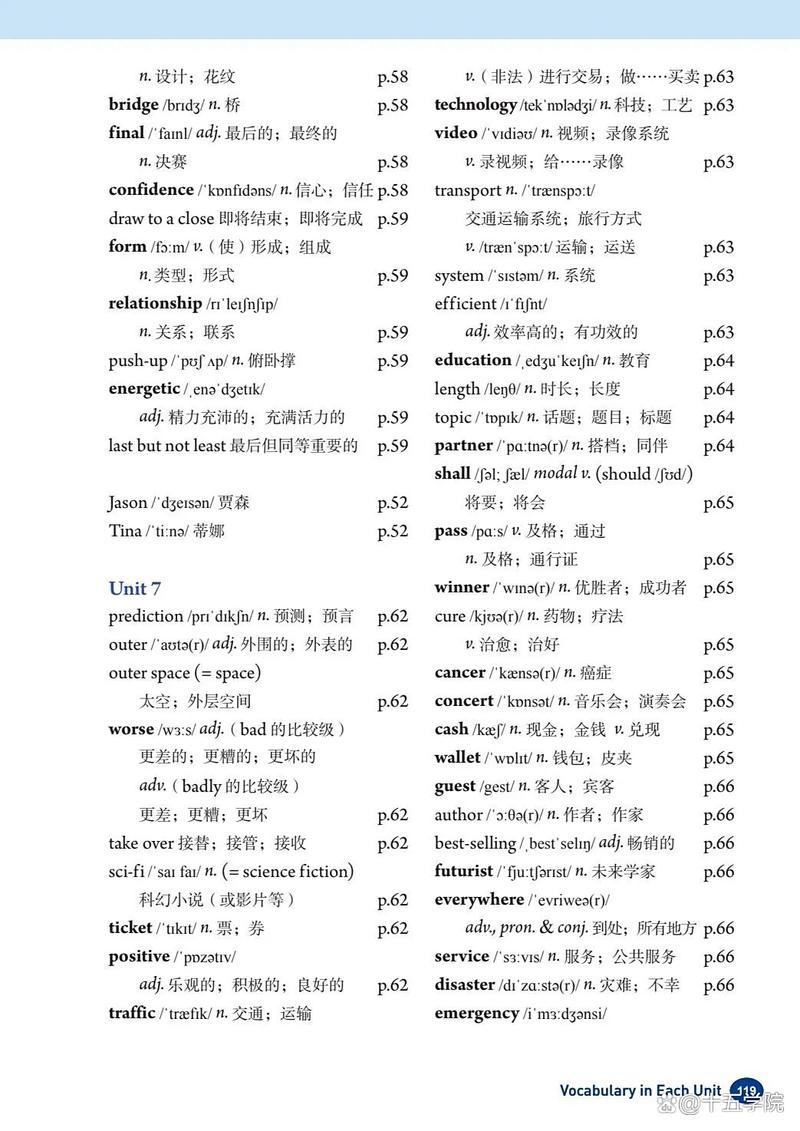
milk shake,banana,yogurt,honey,watermelon,spoon,pot,add,sandwich,butter,lettuce,turkey,piece,recipe,finally - 动词:
peel,pour,mix,turn on,cut up,add...to...,put...on...,roll,mix up - 短语:
turn on,cut up,pour...into...,a slice of,a cup of,two teaspoons of
- 名词:
- 常用句型:
—How do you make a banana milk shake? —First, peel the bananas.—How many apples do we need? —We need three apples.—How much yogurt do we need? —We need one cup of yogurt.Finally, put the turkey on the bread.
Unit 9: Can you come to my party? (你能来我的派对吗?)
- 主题: 发出、接受和拒绝邀请。
- 核心语法:
- 情态动词
can的用法:can+ 动词原形。 have to的用法: 表示义务或必要性,其否定形式为don't/doesn't have to。make的用法:make sb. do sth.(让某人做某事)。
- 情态动词
- 核心词汇:
- 名词:
invitation,party,exam,flu,available,another time,the day after tomorrow,weekday,training,headmaster,concert,whole - 动词:
prepare for,accept,refuse,reply,glad,sad,earlier,later - 短语:
prepare for the exam,hang out,the day before yesterday,the day after tomorrow,look after,another time
- 名词:
- 常用句型:
—Can you come to my party on Saturday afternoon? —Sure, I'd love to. / Sorry, I can't. I have to prepare for an exam.Thanks for your invitation.—Let's hang out on Saturday. —I'm sorry, I can't. I have to visit my aunt.
Unit 10: If you go to the party, you'll have a great time. (如果你去参加派对,你会玩得很开心。)
- 主题: 谈论未来的可能性及结果。
- 核心语法:
if引导的条件状语从句 (第一类条件句):- 结构:
If + 主语 + 一般现在时, 主语 + will + 动词原形 + 其他 if从句用一般现在时表示将来,主句用will表示将来。
- 结构:
- 核心词汇:
- 名词:
meeting,video,organize,chocolate,taxi,jeans,friendship,travel,agent,famous,rich,around the world - 动词/形容词:
organize,agent,travel,make a lot of money,get an education,professional,soccer player,take the bus,let in - 短语:
have a great time,take the bus,half the class,in the end,make friends,let...in
- 名词:
- 常用句型:
If you do, you'll be famous.If you go to the party, you'll have a great time.—Should I wear my jeans? —No, you shouldn't. If you wear jeans, the teachers won't let you in.
学习建议
- 语法是骨架: 务必掌握好一般过去时、现在进行时、比较级和最高级、
if条件句这几个核心语法点,这是八年级上册的重中之重。 - 词汇是血肉: 按单元背诵核心词汇,并尝试用它们造句,特别注意动词的过去式和不规则变化。
- 句型是肌肉: 熟记每个单元的常用句型,特别是
How引导的特殊疑问句和What/How do you think of...这类表达观点的句型。 - 多听多读: 配合课本的听力材料和课文,培养语感,可以尝试听一些简单的英文歌曲或看英文动画片。
- 勤于练习: 做好课后练习,可以找一些相关的练习册进行巩固。
希望这份详细的总结对你有帮助!祝你学习进步!
(图片来源网络,侵删)