人教版八年级上册知识树如何构建与高效学习?
校园之窗 2025年12月17日 15:08:22 99ANYc3cd6
人教版八年级上册 知识树
🌳 树根 (核心主题): 人与社会 本册书围绕“人与社会”这一大主题,展开了一系列贴近学生日常生活的真实场景和话题,旨在培养学生运用英语进行有效沟通的能力。
🌿 树干一:Unit 1 Where did you go on vacation? (假期经历)
- 核心话题: Talking about past vacation experiences (谈论过去的假期经历)
- 重点词汇:
- 名词: vacation, beach, pool, test, camp, hotel, countryside, museum, exam, place, activity, friend, corner, diary, activity, student, rain
- 动词: decide, try, paraglide, feel, leave, arrive, forget, stop, walk, wonder, miss
- 形容词/副词: wonderful, beautiful, exciting, terrible, expensive, cheap, crowded, popular, lucky, lucky enough, famous
- 疑问词: How (was)
- 核心句型:
Where did + 主语 + go on vacation?(你假期去了哪里?)Did + 主语 + do ...?(你...了吗?)What did + 主语 + do?(你做了什么?)How was + 主语 + 的假期/旅程?(你的假期/旅程怎么样?)
- 语法点:
- 一般过去时: 核心语法!掌握动词过去式的规则与不规则变化。
- 肯定句:
S + V-ed + ... - 否定句:
S + didn't + V(原形) + ... - 一般疑问句:
Did + S + V(原形) + ...? - 特殊疑问句:
Wh- + did + S + V(原形) + ...?
- 肯定句:
- 一般过去时: 核心语法!掌握动词过去式的规则与不规则变化。
- 功能意念: 谈论过去发生的事情;描述感受和评价。
🌿 树干二:Unit 2 How often do you exercise? (日常活动与频率)
- 核心话题: Talking about routines and frequency (谈论日常习惯与频率)
- 重点词汇:
- 频率副词:
always (100%),usually (90%),often (70%),sometimes (50%),hardly ever (10%),never (0%) - 动词短语: go shopping, go to the movies, exercise, use the Internet, watch TV
- 名词: program, habit, health, result, percent, online, television, mind, body, such, together, dentist
- 频率副词:
- 核心句型:
How often + do/does + 主语 + V(原形)...?(你/他多久做一次...?)主语 + 频率副词 + V(原形)...(我总是/经常...)What do/does + 主语 + usually do on weekends?(你/他周末通常做什么?)
- 语法点:
- 频率副词: 掌握其位置(实义动词前,be动词/助动词/情态动词后)。
- 一般现在时: 用于描述习惯性、经常性的动作。
How引导的特殊疑问句:How often(频率),How many/much(数量)。
- 功能意念: 询问和回答日常活动的频率;谈论生活习惯与健康。
🌿 树干三:Unit 3 I'm more outgoing than my sister. (人物比较)
- 核心话题: Comparing people (比较人物的性格和外貌)
- 重点词汇:
- 形容词: outgoing, better, loudly, quietly, hard-working, better, worse, friendlier, more outgoing, more hard-working
- 副词: early, loudly, quietly, badly, well
- 短语: as ... as, the same as, be different from, care about, bring out, in fact, primary school
- 核心句型:
A + be + 形容词比较级 + than + B.(A比B更...)A + be + as + 形容词原级 + as + B.(A和B一样...)Who is + more + 形容词, ... or ...?(谁更...,...还是...?)
- 语法点:
- 形容词和副词的比较等级:
- 原级:
as ... as - 比较级:
-er或more-(规则变化), 不规则变化。 - 最高级:
-est或most-(本单元初步接触)。
- 原级:
- 比较级常用结构:
A + 比较级 + than + Bmuch/even/a little + 比较级
- 形容词和副词的比较等级:
- 功能意念: 描述人物特点;比较人与人之间的异同。
🌿 树干四:Unit 4 What's the best movie theater? (地点评价)
- 核心话题: Making comparisons of places (比较和评价地点)
- 重点词汇:
- 名词: theater, comfortable, seat, screen, close, ticket, worst, cheaply, song, DJ, cinema, cinema, song, reporter, so far, fresh, comfortably
- 副词: close, comfortably, loudly, quickly, well, badly
- 短语: think of, ... in town, buy tickets, radio station, all kinds of, on the radio, have ... in common
- 核心句型:
Which is + 最高级, ... or ...?(哪个最...,...还是...?)A + be + the + 最高级 + (in/of ...).(A是最...的。)What do you think of ...?/How do you like ...?(你觉得...怎么样?)
- 语法点:
- 形容词和副词的最高级:
- 构成规则:
-est或most-(规则变化), 不规则变化。 - 常用句型:
the + 最高级 + (in/of ...)
- 构成规则:
How和What引导的感叹句:What + a/an + 形容词 + 名词 + (主谓)!What + 形容词 + 复数名词/不可数名词 + (主谓)!How + 形容词/副词 + (主谓)!
- 形容词和副词的最高级:
- 功能意念: 评价不同场所的优缺点;表达个人偏好。
🌿 树干五:Unit 5 Do you want to watch a game show? (兴趣与偏好)
- 核心话题: Talking about preferences (谈论喜好与偏好)
- 重点词汇:
- 名词: news, soap opera, sitcom, comedy, documentary, action movie, cartoon, drama, culture, famous, appear, become, rich, successful, main, reason, common, unlucky, lose, ready, dress up, take seriously
- 动词: plan, hope, expect, stand, happen, happen to, happen to do sth.
- 情态动词:
may,might
- 核心句型:
Do/Does + 主语 + want to ...?(你想...吗?)What do/does + 主语 + think of ...?(你觉得...怎么样?)I like/don't like/prefer ... because ...(我喜欢/不喜欢/更喜欢...因为...)I hope + (that) + S + V(原形)...(我希望...)Maybe + 主语 + V(原形).../S + may/might + V(原形)...(也许...)
- 语法点:
want to do结构: 想要做某事。like的用法:like doing sth.(习惯性喜欢),like to do sth.(某次具体喜欢)。hope和wish的区别:hope(希望实现),wish(希望但实现可能性小)。may和might的用法: 表示可能性,意为“可能,也许”。
- 功能意念: 询问和表达对电视节目、电影等的喜好;谈论未来的计划。
🌿 树干六:Unit 6 I'm watching TV. (现在进行时)
- 核心话题: Describing actions happening now (描述正在发生的动作)
- 重点词汇:
- 动词短语: do homework, watch TV, clean, read, wait for, talk on the phone, make soup, exercise, study, use, soup, wash, movie, just, join, full
- 副词: now, just, every day
- 核心句型:
What + be + 主语 + doing?(你/他正在做什么?)主语 + be (am/is/are) + V-ing + ...(我正在...)This is + 人 + speaking.(我是...,电话用语)
- 语法点:
- 现在进行时:
- 构成:
am/is/are + V-ing - 用法: 表示说话时正在进行的动作;当前阶段正在进行的动作。
- 时间状语:
now,at the moment,look,listen。
- 构成:
- 现在进行时:
- 功能意念: 描述他人或自己此刻正在做的事情;打电话。
🌿 树干七:Unit 7 Will people have robots? (未来预测)
- 核心话题: Predicting the future (预测未来)
- 重点词汇:
- 名词: paper, money, live, environment, planet, earth, plant, part, human, shape, over, pollute, prediction, future, pollute, planet, earth, plant, part, human, shape, over, pollution, tree, play a part, even
- 动词: seem, live, work, look, look for, agree, disagree, believe
- 情态动词:
will
- 核心句型:
Will + 主语 + V(原形) + ...?(会...吗?)There will (won't) be + ...(将不会有...)I think (that) + S + will + V(原形)...(我认为将会...)S + agree/disagree (with sb.)(某人同意/不同意)
- 语法点:
- 一般将来时
will:- 构成:
will + V(原形) - 否定式:
will not (won't) + V(原形) - 一般疑问句:
Will + S + V(原形)...? - 用法: 表达对未来的预测、意愿、决心等。
- 构成:
There be句型的一般将来时:There will be + 名词 + 地点状语.
- 一般将来时
- 功能意念: 预测未来的生活和工作;表达同意或不同意。
🌿 树干八:Unit 8 How do you make a banana milk shake? (过程描述)
- 核心话题: Describing a process (描述制作过程)
- 重点词汇:
- 名词: banana, milk shake, yogurt, honey, watermelon, spoon, salt, sugar, bread, butter, turkey, lettuce, relish, sandwich, piece, Thanksgiving, traditional, autumn, traveler, England, celebrate, mix, peel, pour, add, finally, recipe
- 动词: peel, cut up, pour into, mix up, turn on, add ... to ...
- 核心句型:
How do you make ...?(你如何制作...?)First/Next/Then/Finally, ...(接下来/最后...)祈使句 (Imperative Sentence):Open the door./Don't be late.How much/many + 名词 + ...?(多少...?)
- 语法点:
- 祈使句: 用于表达命令、请求、建议、指示等。
- 肯定式:
V(原形) + ... - 否定式:
Don't + V(原形) + ...
- 肯定式:
How many与How much的区别:How many + 可数名词复数?How much + 不可数名词?
- 祈使句: 用于表达命令、请求、建议、指示等。
- 功能意念: 指导他人完成一项任务;描述制作食物的步骤。
🌿 树干九:Unit 9 Can you come to my party? (邀请与回应)
- 核心话题: Making, accepting and refusing invitations (发出、接受和拒绝邀请)
- 重点词汇:
- 名词: party, invitation, weekday, weekend, calendar, training, exam, flu, available, another, hang, match, whole, free, the day after tomorrow, the day before yesterday
- 动词: prepare for, accept, refuse, invite, look after, hang out, catch
- 核心句型:
Can/Could + 主语 + come to ...?(你能来...吗?)I'd love to, but I have to ...(我很想去,但是我必须...)How about/What about + doing sth.?(做...怎么样?)Let's ...(让我们...)
- 语法点:
- 情态动词
can和could的用法:can: 表能力、许可、请求。could:can的过去式;更委婉的请求。
have to和must的区别:have to: 表示客观需要,意为“必须,不得不”。must: 表示主观意愿或命令,意为“必须”。
- 情态动词
- 功能意念: 发出邀请;礼貌地接受或拒绝邀请;讨论日程安排。
🌿 树干十:Unit 10 If you go to the party, you'll have a great time. (条件句)
- 核心话题: Talking about consequences (谈论结果)
- 重点词汇:
- 名词: meeting, video, organize, potato chips, chocolate, upset, taxi, journey, friend, organized, potato chips, chocolate, upset, taxi, journey, friend, travel, agent, expert, take a taxi, by taxi, get to, be friends with, in the end
- 连词:
if
- 核心句型:
If + 主语 + 一般现在时, 主句 + will + V(原形).(..,将会...)Let's ...(让我们...)Should + 主语 + V(原形)...?(我们应该...吗?)
- 语法点:
if引导的条件状语从句 (第一类条件句):- 结构:
If + 主语 + 一般现在时, 主句 + will/can/may/might + V(原形). - 用法: 表示在某种条件下可能发生的事情。
- 结构:
- 功能意念: 讨论不同选择可能带来的结果;提出建议。
🍎 果实 (综合能力与应用)
通过以上知识点的学习和练习,你将能够:
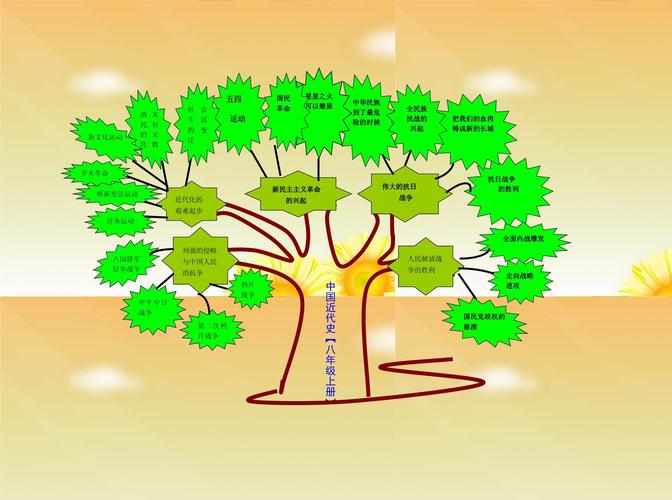
(图片来源网络,侵删)
- 听: 理解关于假期、日常习惯、人物比较、未来预测等话题的简短对话和独白。
- 说: 就上述话题进行简单的问答、讨论和表达个人观点。
- 读: 看懂简单的通知、邀请函、小故事和说明性文章。
- 写: 能写出简单的句子,描述过去发生的事、日常活动、制作过程等,并能完成简单的书面问答。
- 用: 将所学语法和词汇知识运用于真实的交际情境中,提升综合语言运用能力。
希望这份知识树能帮助你更好地学习八年级上册的英语知识!祝你学习进步!
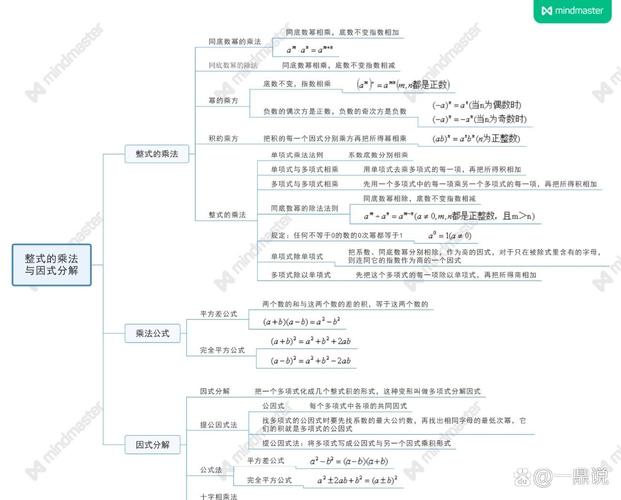
(图片来源网络,侵删)