八年级上册英语第一单元单词怎么读?
校园之窗 2025年11月28日 18:50:38 99ANYc3cd6
这个单元通常围绕 "What's the matter?"(怎么了?)这个主题,主要学习谈论健康问题和给出建议。
八年级上册英语第一单元核心单词读音表
| 单词 | 词性 | 中文意思 | 国际音标 | 自然拼读/发音技巧 | 例句 |
|---|---|---|---|---|---|
| matter | n. / v. | 事情;问题 | /ˈmætə(r)/ | mat-ter (重音在第一个音节) | What's the matter? 你怎么了? |
| sore | adj. | 疼痛的;酸痛的 | /sɔː(r)/ | sore (发音同 "soar", 飞翔) | I have a sore throat. 我喉咙痛。 |
| have a cold | 词组 | 感冒 | /həv ə kəʊld/ | have a cold (连读) | He has a cold. 他感冒了。 |
| fever | n. | 发烧;发热 | /ˈfiːvə(r)/ | fe-ver (重音在第一个音节) | She has a fever. 她发烧了。 |
| stomachache | n. | 胃痛;肚子疼 | /ˈstʌməkeɪk/ | sto-mach-ache (重音在第一个音节) | I have a stomachache. 我肚子疼。 |
| toothache | n. | 牙痛 | /ˈtuːθeɪk/ | tooth-ache (重音在第一个音节) | He has a toothache. 他牙痛。 |
| headache | n. | 头痛 | /ˈhedeɪk/ | head-ache (重音在第一个音节) | I have a headache. 我头痛。 |
| exam | n. | 考试;检查 | /ɪɡˈzæm/ | ex- (发 /ɪɡz/ 音) -am | I'm studying for the exam. 我在为期末考试复习。 |
| stress | n. / v. | 压力;使紧张 | /stres/ | stress (发音同 "dress" 去掉 'd') | I'm under stress. 我压力很大。 |
| symptom | n. | 症状 | /ˈsɪmptəm/ | symp-tom (重音在第一个音节) | What are your symptoms? 你的症状是什么? |
| medicine | n. | 药;医学 | /ˈmedsn/ | med-i-cine (重音在第一个音节) | This is good medicine. 这是好药。 |
| rest | n. / v. | 休息;静止 | /rest/ | rest (发音同 "west" 去掉 'w') | You should rest for a few days. 你应该休息几天。 |
| health | n. | 健康;卫生 | /helθ/ | health (th 发 /θ/ 音,咬舌尖) | Good health is important. 健康很重要。 |
| advice | n. | 建议;忠告 | /ədˈvaɪs/ | ad-vice (重音在第二个音节) | Can you give me some advice? 你能给我一些建议吗? |
| shoulder | n. | 肩膀 | /ˈʃəʊldə(r)/ | shoul-der (重音在第一个音节) | My shoulder hurts. 我的肩膀疼。 |
| X-ray | n. | X光;X射线 | /ˈeksreɪ/ | X-ray (X发 /eks/ 音) | The doctor took an X-ray. 医生给我拍了X光片。 |
| honey | n. | 蜂蜜 | /ˈhʌni/ | honey (重音在第一个音节) | A spoonful of honey helps the medicine go down. 一勺药配一勺蜂蜜,苦药变甜。 |
| dentist | n. | 牙医 | /ˈdentɪst/ | den-tist (重音在第一个音节) | I need to see the dentist. 我需要去看牙医。 |
| lie | v. | 躺;平躺 | /laɪ/ | lie (发音同 "sky") | Lie down and rest. 躺下休息。 |
| hurt | v. | 使受伤;疼痛 | /hɜːt/ | hurt (发音同 "shirt" 去掉 's') | My leg hurts. 我的腿疼。 |
| passenger | n. | 乘客;旅客 | /ˈpæsɪndʒə(r)/ | pas-sen-ger (重音在第一个音节) | There are many passengers on the bus. 公交车上有很多乘客。 |
| trouble | n. / v. | 问题;麻烦 | /ˈtrʌbl/ | trou-ble (重音在第一个音节) | What's your trouble? 你有什么麻烦? |
| hit | v. / n. | 打;击中 | /hɪt/ | hit (发音同 "sit") | He hit his head on the door. 他的头撞在门上了。 |
| accident | n. | 事故;意外 | /ˈæksɪdənt/ | ac-ci-dent (重音在第一个音节) | There was a car accident. 发生了一起车祸。 |
| be careful | 词组 | 小心 | /bi ˈkeəfl/ | be care-ful | Be careful! It's icy! 小心!路面结冰了! |
| herself | pron. | 她自己 | /hɜːˈself/ | her-self | She hurt herself. 她伤到了自己。 |
| ourselves | pron. | 我们自己 | /aʊəˈselvz/ | our-selves | We should look after ourselves. 我们应该照顾好自己。 |
| get off | 词组 | 下车;离开 | /ɡet ɒf/ | get off (连读) | Get off the bus at the next stop. 下一站下车。 |
| to one's surprise | 词组 | 令某人惊讶的是 | /tu wʌnz səˈpraɪz/ | to one's sur-prise | To my surprise, he passed the exam. 令我惊讶的是,他通过了考试。 |
| right away | 词组 | 立刻;马上 | /raɪt əˈweɪ/ | right a-way | We need to go to the hospital right away. 我们需要马上去医院。 |
| agreement | n. | 同意;协议 | /əˈɡriːmənt/ | a-gree-ment (重音在第二个音节) | We have an agreement. 我们有协议。 |
| listen to | 词组 | 听;听从 | /ˈlɪsn tuː/ | lis-ten to | Listen to the teacher. 听老师的话。 |
| instead of | 词组 | 代替;而不是 | /ɪnˈsted əv/ | in-stead of | Let's walk instead of taking a bus. 我们走路吧,而不是坐公交车。 |
| hurt oneself | 词组 | 伤到自己 | /hɜːt wʌnˈself/ | hurt one-self | Be careful, or you'll hurt yourself. 小心,否则你会伤到自己。 |
-
重音: 很多名词的重音在第一个音节,如
mat**ter**,sore,fe**ver**,stom**achache**,to**othache**,但有些词的重音在第二个音节,如ad**vice**,be**fore**(虽然没在列表里,但这是个常见例子),注意听录音,跟读模仿。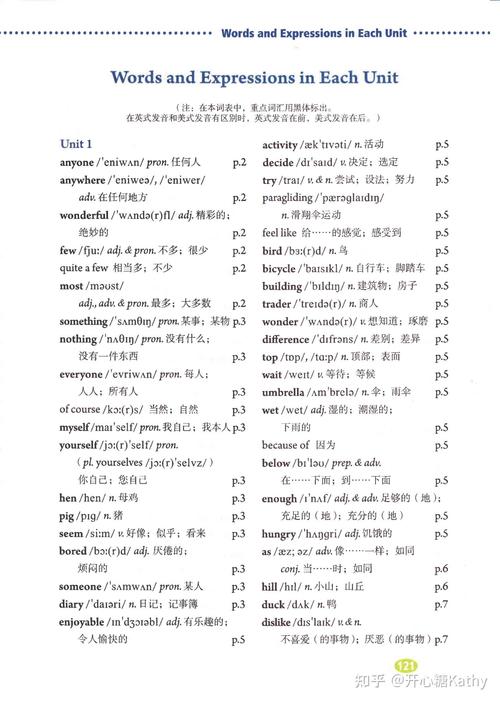 (图片来源网络,侵删)
 -
-ache 后缀: 单词如
(图片来源网络,侵删)