长沙英语作文该怎样写才地道?
作文示例 2026年1月16日 22:51:47 99ANYc3cd6
Of course! Here are a few versions of an English essay introducing Changsha, suitable for different levels and purposes. You can choose the one that best fits your needs.
Version 1: Standard & Comprehensive (适合高中生或一般英语学习者)
Changsha: A City Where History Meets Modernity
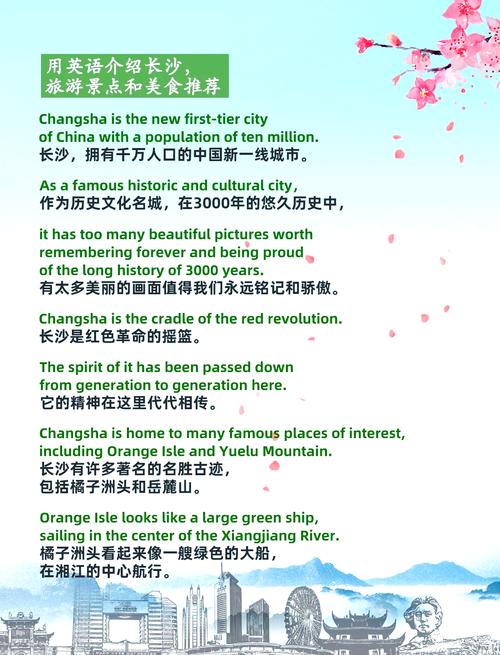
Nestled along the banks of the mighty Xiang River, Changsha is the vibrant capital of Hunan province and a city that perfectly blends a rich historical heritage with the pulse of modern China. More than just a political and economic center, Changsha is a cultural hub famous for its fiery cuisine, revolutionary past, and dynamic atmosphere, making it a captivating destination for any visitor.
One of Changsha's most profound identities is its role in modern Chinese history. As the hometown of Mao Zedong, the city is deeply connected to the birth of the Communist Party of China. Visitors can explore landmarks like the Orange Isle, a scenic island in the Xiang River where a giant statue of Mao Zedong stands, gazing thoughtfully over the city. The Hunan Provincial Museum is another must-visit, housing invaluable artifacts, including the remarkably well-preserved Mawangdui Han Dynasty tombs, which offer a fascinating glimpse into ancient life.
However, Changsha is far from being a city stuck in the past. It is a bustling metropolis with a youthful energy. The city skyline, dominated by the modern Hunan IFC, is a dazzling display of its economic prosperity. The bustling Huangxing Road Pedestrian Street is a shopper's paradise, while the super-large Ferris wheel on Wuyi Square offers breathtaking panoramic views of the city, especially at night when it's illuminated in a spectacular light show.
No introduction to Changsha would be complete without mentioning its world-renowned culinary scene. Hunan cuisine, or "Xiang Cai," is celebrated for its fresh, spicy, and aromatic flavors. The iconic stinky tofu, despite its pungent smell, is a deliciously crispy local specialty that adventurous food lovers must try. From steaming hot pots to flavorful stir-fries, the city's food streets and restaurants are a paradise for your taste buds.

In conclusion, Changsha is a city of delightful contrasts. It's a place where you can ponder history on one bank of the Xiang River and enjoy the dazzling lights of modernity on the other. With its delicious food, significant historical sites, and unstoppable spirit, Changsha is a city that truly has something for everyone, leaving a lasting impression on all who visit.
Version 2: More Concise & Simple (适合初中生或英语初学者)
My Hometown: Changsha
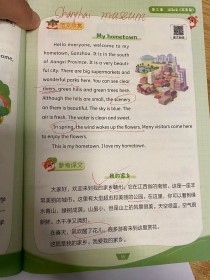
Changsha is a wonderful city. It is the capital of Hunan province, and it is located by the beautiful Xiang River. It is a city with a long history, but it is also very modern and lively.
First, Changsha is a famous historical city. It is the hometown of Mao Zedong, a very important leader in Chinese history. You can visit Orange Isle to see a big statue of him. There is also a great museum where you can see old things from thousands of years ago.

Second, Changsha is a modern and exciting city. The buildings are very tall, and the city is full of young people. At night, the city lights are bright and colorful. It is a great place for shopping and having fun.
The best part of Changsha is its food! Hunan food is very famous for being spicy and delicious. You must try the stinky tofu—it smells bad, but it tastes amazing! There are many delicious dishes to eat here.
I love my city, Changsha. It has history, modern life, and delicious food. I hope you can visit it one day!
Version 3: Advanced & Descriptive (适合大学生或追求高级表达的学习者)
Changsha: A Tapestry of Time, Taste, and Transformation
In the heart of Central China, Changsha stands as a metropolis of compelling duality—a city where the whispers of ancient dynasties harmonize with the electrifying rhythm of contemporary life. As the capital of Hunan province, it is not merely an administrative center but a cultural crucible, celebrated for its revolutionary legacy, fiery gastronomy, and an indomitable spirit of innovation.
Changsha's historical narrative is both profound and palpable. It is the cradle of modern Chinese communism, the birthplace of Mao Zedong, whose influence is etched into the city's landscape. The iconic Orange Isle, immortalized in Mao's poetry, serves as a symbol of this revolutionary fervor. Complementing this modern history is a window into antiquity at the Hunan Provincial Museum, home to the Mawangdui Han Dynasty tombs. The remarkably preserved mummies, silk manuscripts, and lacquerware unearthed from these tombs offer an extraordinary archaeological narrative, revealing the sophistication of a bygone era.
This deep respect for history, however, does not hinder Changsha's relentless forward march. The city is a testament to China's economic dynamism, with its skyline punctuated by architectural marvels like the Hunan IFC. The urban landscape is a vibrant mosaic of bustling shopping districts, such as Huangxing Road, and chic entertainment zones. The transformation is perhaps most vividly experienced at night, when the cityscape erupts in a symphony of light, with the giant Ferris wheel on Wuyi Square serving as a modern beacon overlooking the ancient river.
Yet, to truly understand Changsha is to surrender to its culinary allure. Hunan cuisine, or Xiang Cai, is a bold and aromatic expression of the region's character. Defined by its liberal use of chili peppers, garlic, and shallots, it is a cuisine that stimulates the senses. The legendary stinky tofu, with its pungent aroma and surprisingly savory, crispy texture, is a culinary paradox that encapsulates the city's adventurous spirit. From the sizzle of street food stalls to the elegance of high-end restaurants, Changsha is a paradise for epicures.
In essence, Changsha is more than a destination; it is an experience. It is a city that invites you to walk through time, to challenge your palate with bold flavors, and to witness the boundless energy of a city in constant evolution. It is a living, breathing testament to China's past, present, and future.